
The government has revised vehicle fitness test fees nationwide, introducing significantly higher charges for private and commercial vehicles that are 10 years or older. Earlier, higher fitness fees applied only to 15-year-plus vehicles. Under the updated Central Motor Vehicle Rules (Fifth Amendment), the new fee structure now covers three age slabs : 10-15 years, 15-20 years, and 20+ years, with charges increasing with age.
The hike is substantial across categories. Fees for many vehicles, especially older commercial models, have risen by up to 10 times. Two-wheelers, three-wheelers, quadricycles, LMVs, MGVs and HGVs all fall under the revised structure.
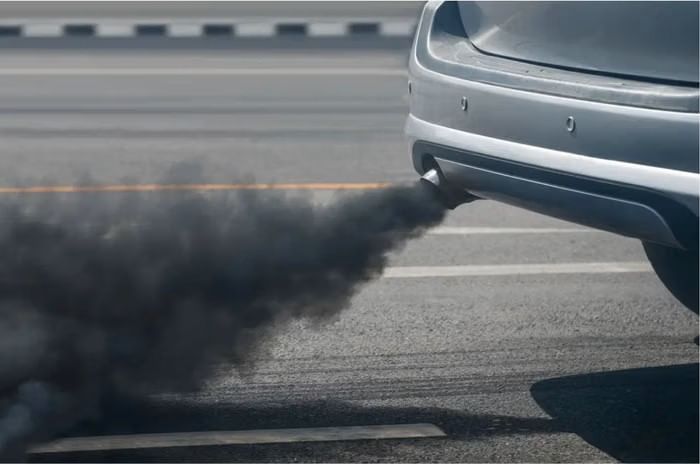
According to the Ministry of Road Transport and Highways (MoRTH), the updated fees are intended to remove unsafe and high-polluting vehicles from Indian roads and encourage a shift towards newer, cleaner alternatives.
- Fitness test charges now higher for all vehicles above 10 years
- Older commercial vehicles face the steepest increases
- Increased fees expected to push more owners toward scrappage or replacement
What the new rules change
Revised fees introduced for all vehicles, with higher bands for older models
Even newer vehicles haven’t been exempted. For models below 15 years, the base fitness test fees have been revised. Two-wheelers will now pay Rs 400, light motor vehicles Rs 600, and medium or heavy commercial vehicles Rs 1,000 for the mandatory certification. These revised rates set the new starting point before sharply higher charges apply to older vehicles.
| Vehicle Category | Old Fee: >15 years | New Fee: 10-15 Years | New Fee: 15-20 Years | New Fee: Above 20 Years |
| Motorcycles/Two-wheelers | Rs 600 | Rs 400 | Rs 1,000 | Rs 2,000 |
| Three-wheelers | Rs 400 – Rs 600 | Rs 600 | Rs 3,000 | Rs 7,000 |
| Light Motor Vehicles (Cars) | Rs 600 – Rs 1,000 | Rs 600 | Rs 5,000 | Rs 15,000 |
| Medium Goods/Passenger Vehicles | Rs 1,800 | Rs 1,000 | Rs 10,000 | Rs 20,000 |
| Heavy Goods/Passenger Vehicles (Trucks/Buses) | Rs 2,500 | Rs 1,000 | Rs 12,500 | Rs 25,000 |
Why vehicle fees rise with age
Impact on private owners and commercial fleets

MoRTH’s stepped fee system accounts for the higher safety and emissions risks of ageing vehicles. Older cars and commercial vehicles face greater structural wear, pollution, and mechanical issues, prompting stricter oversight. The largest hikes target older commercial vehicles, making it costlier to keep them on the road.
Re-inspection costs have also increased, so failing a fitness test now carries a higher penalty, encouraging proper maintenance. For private owners, this means running a 10–20 year old car will involve noticeably higher recurring costs. Commercial fleets, particularly those with vehicles over 20 years old, are likely to accelerate replacement cycles, shifting toward newer, lower-emission models.
Also see:
CAFE 3 norms: What they mean for carmakers and for you
Supreme Court advocates gradual ban on petrol and diesel luxury cars
