
Winter comfort often involves heaters, blowers, and closed rooms. While these appliances provide warmth, they can also create unsafe indoor air conditions. To understand the risks, we turned to a pulmonologist who explained the risks of using a blower in a closed room and how the body warns us.
Dr Manas Mengar, a consultant pulmonologist at KIMS Hospitals, Thane, said that blowers and heaters consume oxygen from the air. “In a closed space with no ventilation, fresh oxygen cannot enter, and stale air cannot escape. Over time, oxygen levels drop, and harmful gases can build up, stressing the lungs and brain,” said Dr Mengar.

In poorly ventilated spaces, certain heating devices can raise carbon monoxide levels. “This gas is colourless and odourless, making it especially dangerous. It binds to blood more strongly than oxygen, reducing oxygen flow to vital organs,” elucidated Dr Mengar.
What exactly happens to the body when oxygen levels fall?
When oxygen supply decreases, the body experiences a condition called hypoxia, elaborated Dr Mengar. “The brain is the first to feel the effects. Even a small drop can impact thinking, balance, and alertness. If the exposure continues, the heart and lungs must work harder, which can quickly become serious.”
The risk increases in small rooms, sealed offices, or bedrooms where windows and doors stay shut for long periods, said Dr Mengar. “Using a blower continuously, especially overnight, makes the problem worse,” he cautioned.
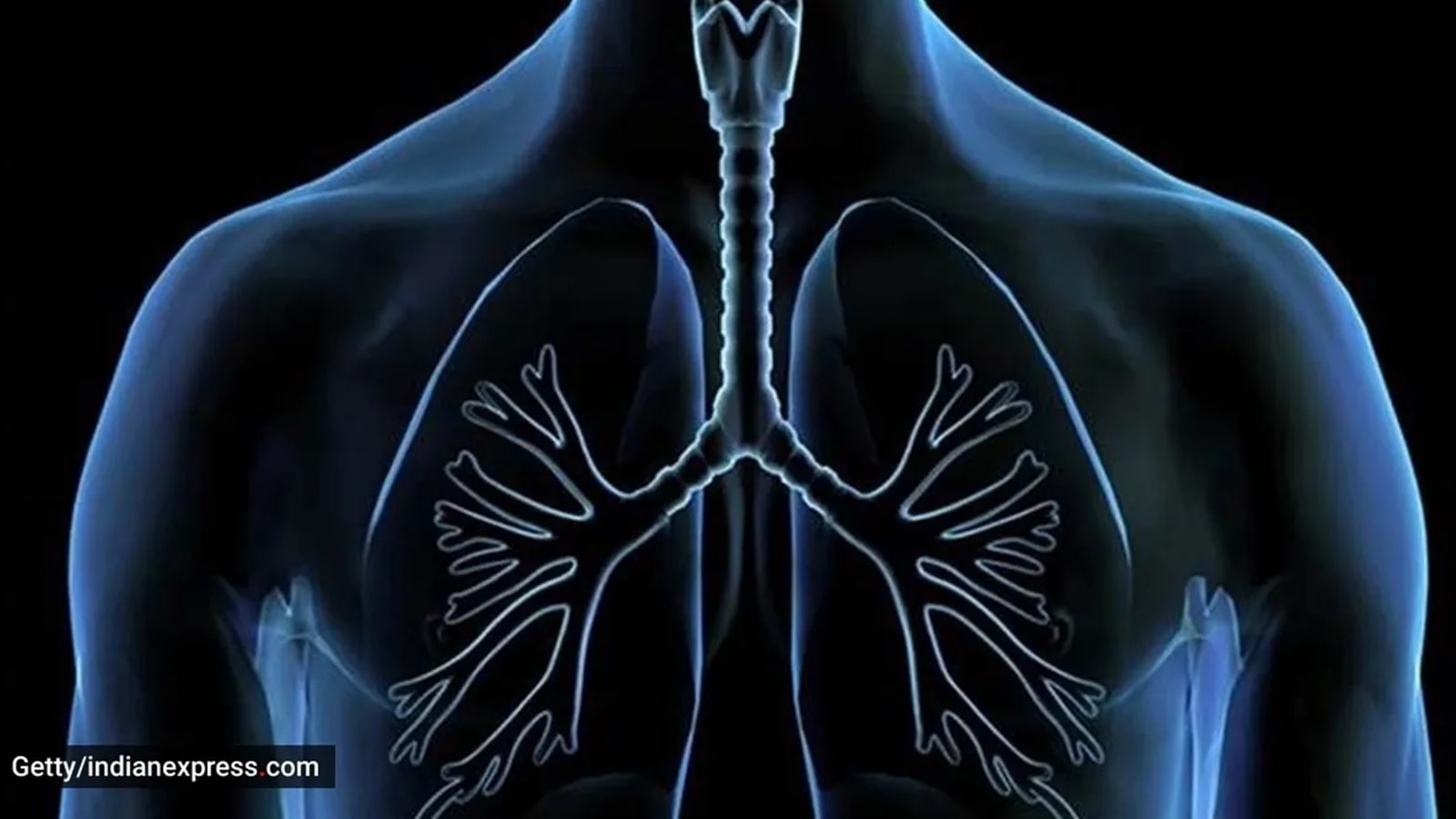 Here’s what you should consider (Photo: Getty Images/Thinkstock)
What early warning signs should never be ignored?
Dr Mengar said that headache, dizziness, unusual fatigue, confusion, anxiety, dry throat, burning eyes, or nausea are standard early signals. “Many people brush these off as winter discomfort, but they often indicate falling oxygen levels or poor air quality,” said Dr Mengar.
Why do some people feel sleepy or confused instead of breathlessness?
According to Dr Mengar, low oxygen doesn’t always cause immediate breathlessness. “The brain reacts first, leading to drowsiness, poor concentration, or confusion. This makes hypoxia particularly dangerous—it can cloud judgment before a person realises something is wrong.”
Story continues below this ad
Are certain people more at risk?
Yes, affirmed Dr Mengar. “Older adults, children, and those with asthma, lung diseases, heart problems, or anaemia are more vulnerable. Their bodies have less ability to cope with lower oxygen levels, causing symptoms to appear more quickly and severely.”
How can blowers be used more safely in winter?
Ventilation is key. Keep a window slightly open, take breaks from using the heater, avoid leaving blowers on all night, and never seal a room completely. Paying attention to early body signals can prevent serious harm, said Dr Mengar.
Staying warm is essential, but breathing clean, oxygen-rich air is even more crucial.
DISCLAIMER: This article is based on information from the public domain and/or the experts we spoke to. Always consult your health practitioner before starting any routine.
