

As the board exam season approaches across India, millions of students are gearing up for one of the most crucial milestones in their academic journey. The pressure to perform well often means long hours of study, countless revisions, and the constant challenge of staying focused amidst distractions. With the syllabus vast and the competition intense, effective preparation becomes more than just reading textbooks; it’s about building the right mindset, creating a disciplined routine, and finding strategies that help sustain concentration over extended periods. For students aiming to maximize their study time without losing focus, mastering the art of distraction-free learning can make all the difference between feeling overwhelmed and feeling confident when exam day arrives. (Image: AI-generated)

Start With a Clear Plan: Board exam preparation can feel overwhelming because of the vast syllabus. Instead of diving in randomly, map out a daily schedule that covers specific chapters or topics. Having a clear plan reduces anxiety and keeps you focused on what needs to be done each day. (Image: AI-generated)

Break Study Time Into Blocks: Long hours don’t mean sitting endlessly with books. Divide your study into blocks of 45-60 minutes, followed by short breaks. This keeps your brain fresh and prevents fatigue. Over time, these blocks add up to productive marathon sessions. (Image: AI-generated)

Create a Distraction-Free Zone: Your environment plays a huge role in concentration. Choose a quiet corner of your home, keep your desk clutter-free, and put away your phone or use apps that block social media. A clean, calm space signals your brain that it’s time to focus. (Image: AI-generated)

Rotate Subjects to Stay Engaged: Studying the same subject for hours can drain your energy. Mix it up – study mathematics in the morning, switch to literature after lunch, and revise science in the evening. This variety keeps your mind active and prevents boredom. (Image: AI-generated)
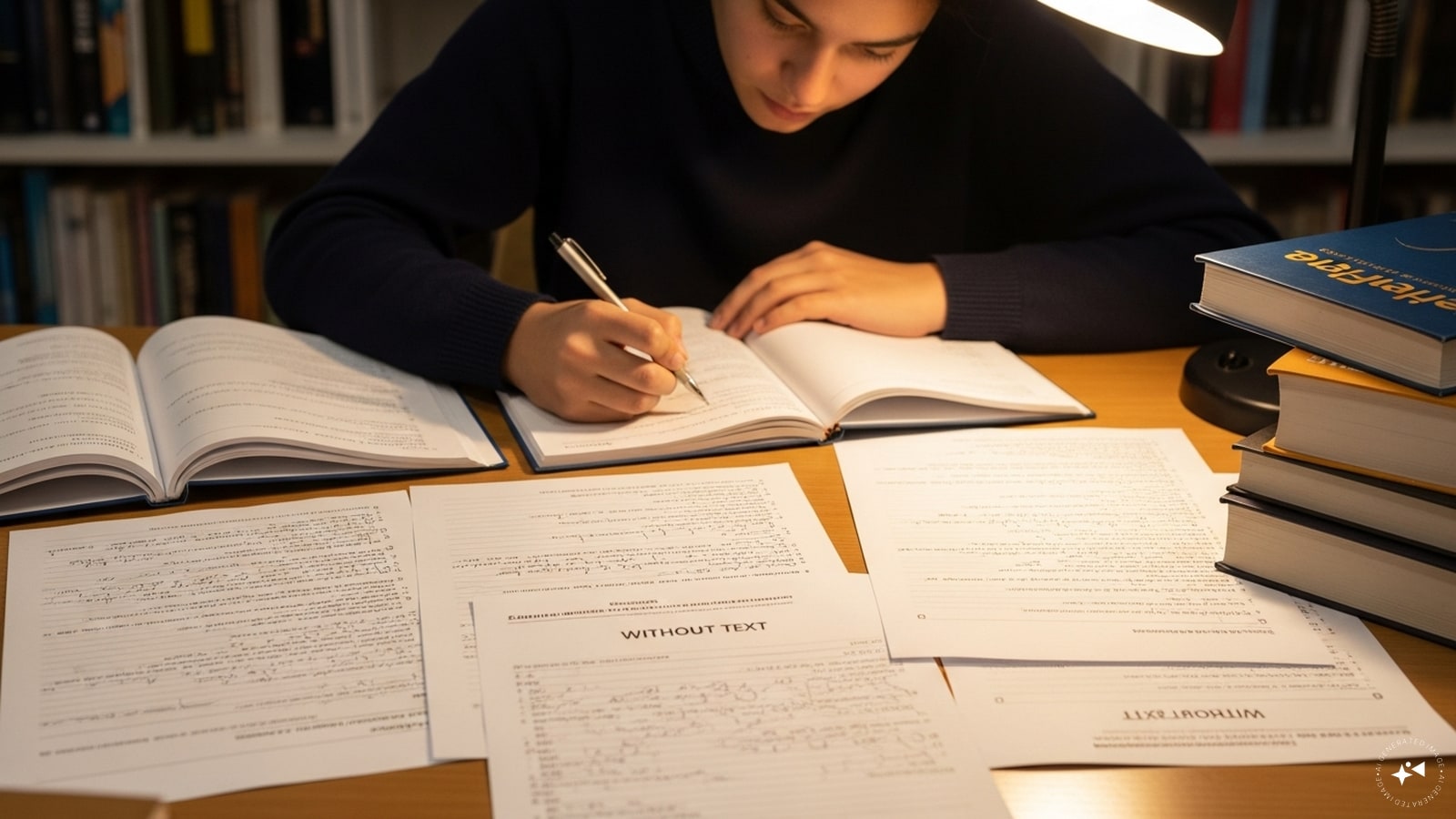
Use Active Learning Methods: Passive reading often leads to daydreaming. Instead, engage with the material – write summaries, solve practice papers, or teach concepts aloud as if explaining to a friend. Active learning keeps your brain alert and helps you retain information longer. (Image: AI-generated)

Stay Physically Energized: Your body fuels your brain. Drink plenty of water, eat light but nutritious meals, and avoid heavy foods that make you sluggish. Stretching or a quick walk during breaks can refresh your energy levels and improve focus. (Image: AI-generated)

Practice Mindfulness: Distractions aren’t always external; sometimes they come from within. Short breathing exercises or meditation can calm your mind and sharpen concentration. Even five minutes of mindfulness between study blocks can make a big difference. (Image: AI-generated)

Reward Yourself: Motivation is easier when you have something to look forward to. Promise yourself a small reward, like a favorite snack, a short music break, or a quick chat with a friend, after completing a study block. These incentives make long sessions more enjoyable. (Image: AI-generated)

Limit Digital Interruptions: Notifications are the biggest enemy of focus. Turn off alerts, keep your phone in another room, or use it only for academic purposes during study hours. The fewer interruptions, the longer you’ll stay immersed in your work. (Image: AI-generated)
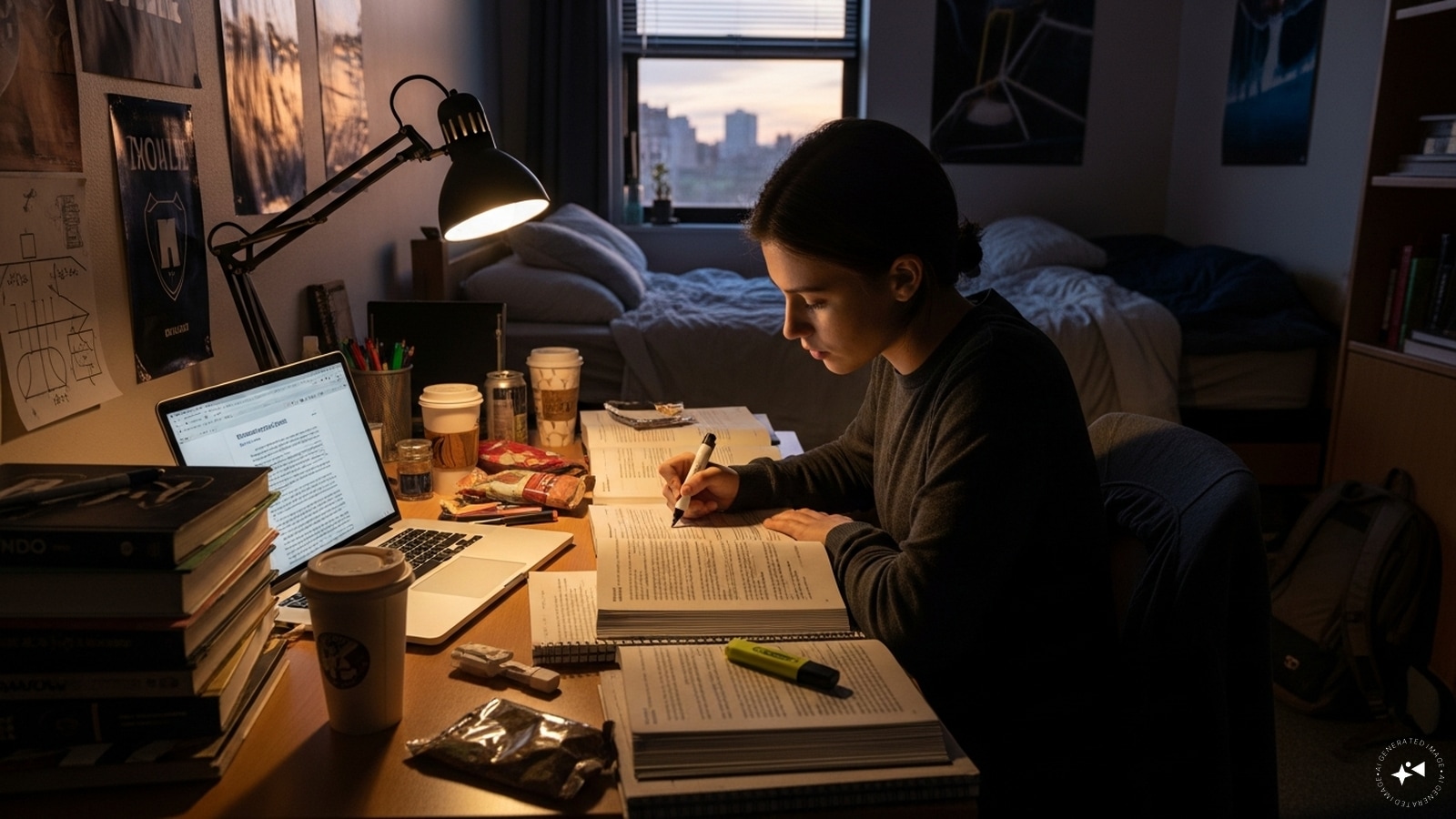
End With Reflection: At the end of the day, review what you’ve accomplished and plan for tomorrow. Reflection reinforces learning and ensures you start the next day with clarity and confidence. (Image: AI-generated)
