
3 min readNew DelhiFeb 7, 2026 07:00 PM IST
Blood donation is a noble cause, saving millions of lives each year. It is a non-negotiable during surgeries, accidents, or for medical conditions requiring specific blood components. However, there are many lingering doubts about the subject, with many first-time donors feeling anxious. The process, however, is safe, and the body begins adapting almost immediately.
To understand precisely what occurs in the body during the first 24 hours after blood donation, we consulted Dr Rajat Kant Jain, Senior Consultant at Kailash Deepak Hospital. “Blood donation is a remarkable example of how quickly the body can adjust,” says the physician, while adding that “Within hours, your body begins replacing lost fluids and cells, and most healthy donors feel back to normal within a day.” Although many donors experience mild fatigue or lightheadedness initially, these effects usually resolve quickly with adequate hydration, nutrition, and rest.

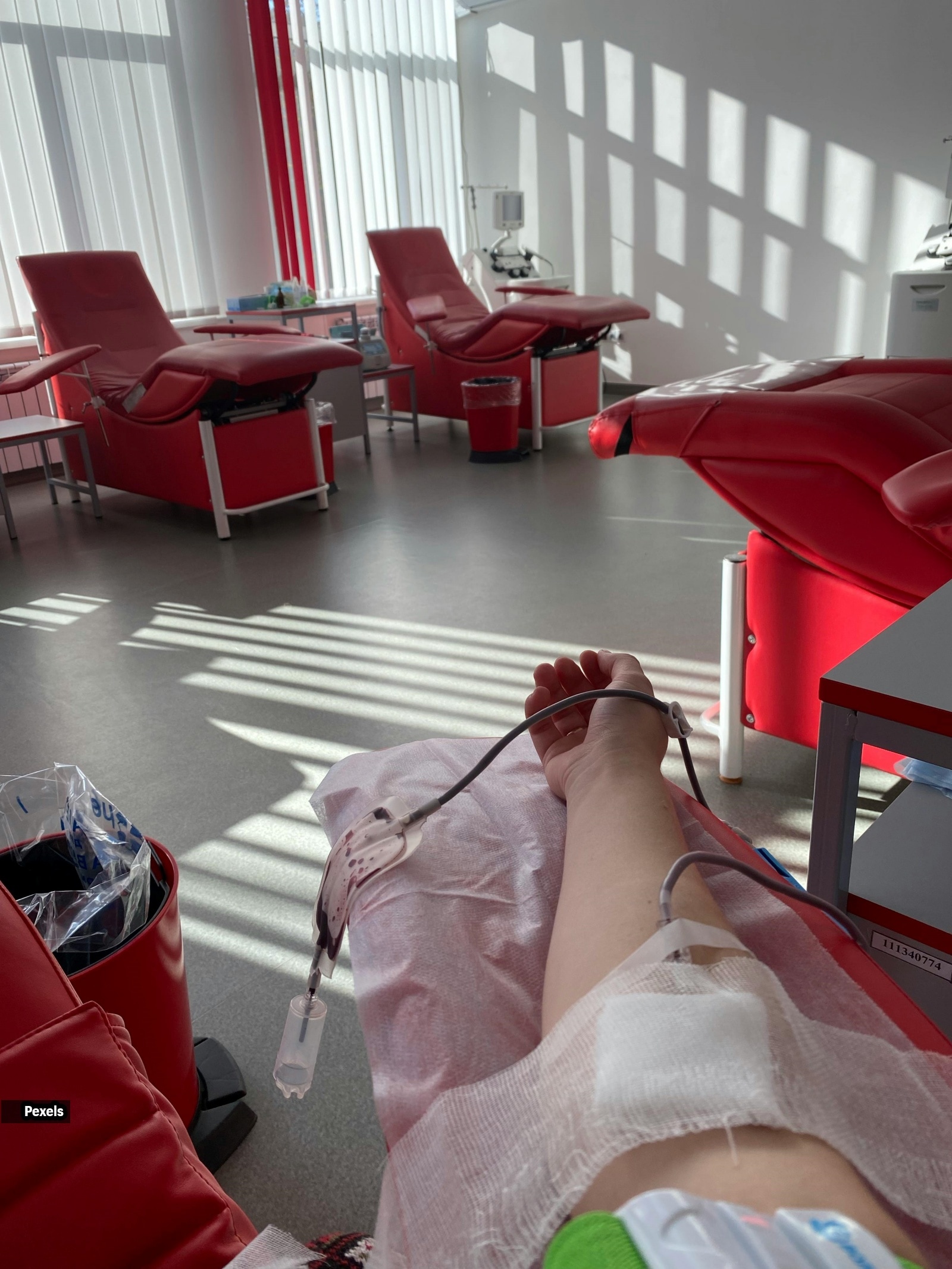 In the hours following donation, fluid from the spaces between body tissues gradually moves into the blood vessels, helping restore circulation (Image: Pexels)
Rapid plasma refill and blood cell recovery in the first 24 hours
Plasma, the liquid component of blood, is restored most quickly —usually within 24 hours. “Fluids from surrounding tissues shift into the bloodstream to restore blood volume and maintain circulation and blood pressure,” explains Dr Jain. The lymphatic system also returns stored fluids and proteins to the blood. Hormonal mechanisms support this process: kidneys conserve water, and the brain stimulates thirst, encouraging fluid intake. The liver gradually replenishes plasma proteins, such as albumin, which take slightly longer than 24 hours to fully restore, thereby maintaining vascular volume.
While plasma recovers quickly, red blood cells take several weeks to rebuild. Platelets and white blood cells respond faster — the bone marrow begins producing new cells immediately, with most returning to baseline within days to a week. “This is why donors can safely resume normal activities shortly after donation,” notes Dr Jain.
Temporary fatigue and dizziness
Some donors may experience lightheadedness or dizziness, partly due to a temporary reduction in blood volume and vasovagal reflexes. “During a vasovagal reaction, the vagus nerve can slow the heart rate and widen blood vessels, reducing blood flow to the brain temporarily,” explains Dr Jain. Young adults, first-time donors, or those with a smaller body size are more susceptible. Other contributing factors include dehydration, skipped meals, lack of sleep, and naturally low blood pressure. Simple measures — drinking water, eating a light meal, and resting — usually prevent significant symptoms.
A coordinated body response
Within the first 24 hours, the body orchestrates a complex recovery: plasma volume is restored, platelets and white blood cells begin normalising, and hormonal mechanisms maintain circulation and fluid balance. Over the following days and weeks, red blood cells gradually rebuild, aided by iron-rich foods and proper nutrition. This coordinated effort between the heart, kidneys, liver, bone marrow, nervous system, and lymphatic system ensures donors recover safely while supporting life-saving treatments for patients.
