
Having a regular menstrual cycle is like a green signal for many women that their reproductive health is totally fine. However, matters of fertility are more layered than that. There are many cases where the period cycle is fine, yet ovulation is not regular. As there are no obvious signs for this condition, it usually goes unnoticed until a couple is trying to get pregnant.
Ovulation is the process in females when the ovary releases an egg. Without this phenomenon, it is not possible to conceive naturally, irrespective of how ‘normal’ the cycles may appear. In some females, what they assume to be a normal period cycle actually happens to be a hormone-driven bleeding without egg release. In medical terms, it is called anovulatory bleeding, and it silently affects fertility without interfering with the menstrual cycle timing.
It is known as anovulatory bleeding which impacts fertility without altering the cycle timing. As per Dr Ila Gupta, Chairperson and Chief IVF Consultant at Pristyn Care Ferticity, “Usually, a lot of women believe that getting regular periods implies timely ovulation every month. However, in real hormonal balance controls ovulation, even mild changes can disturb egg release.”
Add Zee News as a Preferred Source

Why does it happen? Crucial Factor of Hormone Balance.
Ovulation is determined by the smooth coordination between the ovaries and the brain. When this system gets disrupted, even slightly, ovulation may not occur. Some common factors for anovulation include:
- PCOS: it may be mild or ‘silent.’
- Thyroid imbalance
- Excessively high prolactin
- Unmanaged stress and a disturbed sleep cycle
- Sudden or frequent body weight changes
- High-intensity workouts or poor nutrition
Such issues may not always change period cycle drastically, thus women feel that everything is working out fine.
Mostly, women promptly seek medical consultation when their periods are irregular. However, when cycles appear normal, they often neglect or delay fertility checks or evaluations.
Dr Ila Gupta adds, “The real challenge in the cases of silent anovulation is delayed diagnosis. The earlier a couple comes for comprehensive fertility tests, the simpler and better outcomes they experience.”
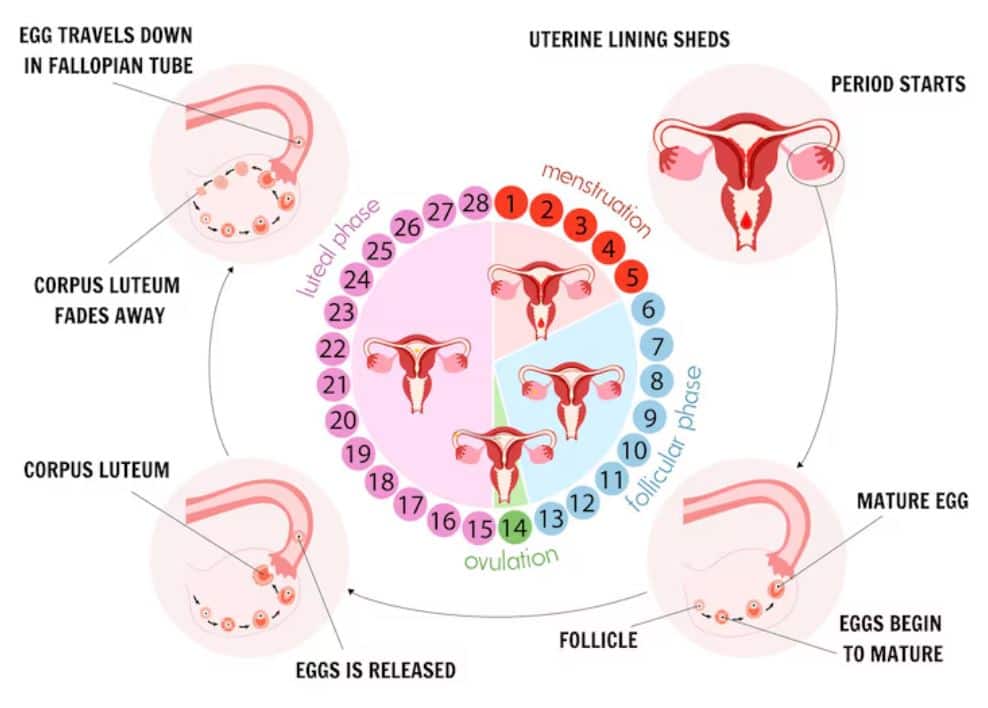
How To Know If Ovulation Is Really Taking Place?
Nowadays, there are period tracking apps that help in being aware of your cycles, but they don’t guarantee ovulation. Medical confirmation requires:
1. Hormone tests
2. Ultrasound follicle monitoring
3. Testing progesterone after the ovulation phase
4. Metabolic and thyroid screening
Some females also experience natural cues of ovulation, such as mucus discharge from the cervix or increased body heat, these are also not completely reliable.
The Positive Part: It’s Curable
It is possible to manage ovulation-related fertility challenges once you identify them. Based on the cause, treatment involves lifestyle correction, medication to help with normal ovulation or assisted reproductive techniques if the need be.
As Dr Ila Gupta explains, “A thorough diagnosis and personalized treatment allows to manage ovulation disorders effectively, and many women conceive successfully.” Regular periods are a good sign, but may present a complete fertility story. If pregnancy is not taking place in a timely manner, it is wise to check ovulation. Because in some cases, the real cause of infertility stays silent.
(This article is based on information available in the public domain and on input provided by experts consulted.)