
At Autocar India, we get to drive a wide range of cars and fully appreciate the effort that goes into engineering a well-rounded product. Carmakers go to great lengths to get everything spot on, be it design or features, but at times, the limiting factor lies under the hood.
For some models, a more powerful engine is not just a want but something that could significantly improve their usability and appeal. Offering a stronger powertrain can also broaden their audience, especially among buyers who value better performance. With that in mind, here are five mass-market cars that would genuinely benefit from a more potent engine than what they currently offer.
Renault Triber
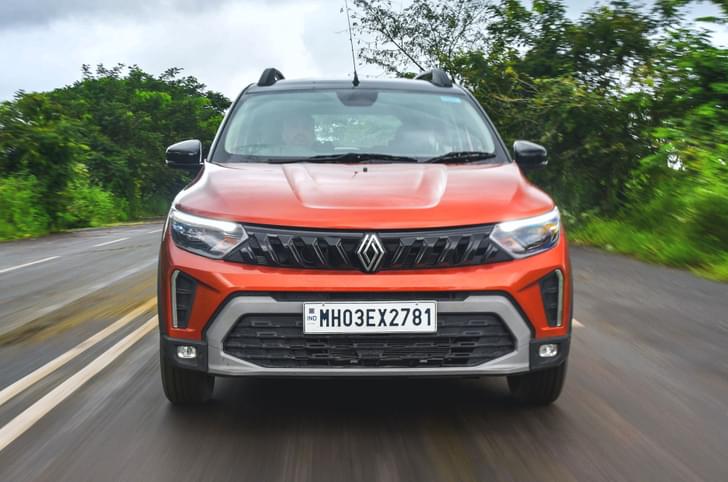
Talk of a turbo-petrol option for the Renault Triber is not new, as it was being considered a few years ago, but it never materialised. As it stands, its sole 72hp 1-litre three-cylinder petrol engine feels underpowered and becomes noticeably less refined at higher speeds. Highway overtakes often require one or even two downshifts, and with seven occupants on board, the engine has to work much harder. This makes it sound louder and more strained, with the typical three-cylinder hum and some transmission noise creeping in. Had Renault introduced the turbo-petrol engine with the 2025 facelift, Nissan could have mirrored the move with the Gravite, which is essentially the carmaker’s version of the Triber.
Maruti Suzuki Swift
The fourth-generation Maruti Swift’s 1.2-litre three-cylinder petrol engine, producing 82hp and 112Nm, impresses with its strong ARAI-rated efficiency of 24.8-25.75kpl. However, compared to the earlier four-cylinder engine of the same capacity, it makes 8hp and 1Nm less. Enthusiastic drivers who like to push the engine will notice the lack of punch in the mid-range and a relatively weak top-end. There is a slight surge past 5,000rpm, but the engine hits its 6,000rpm limit quite early, which makes it feel restrictive when driven hard. The longed-for 1.3-litre diesel, discontinued in 2020 due to stricter BS6 norms, has also limited choices.
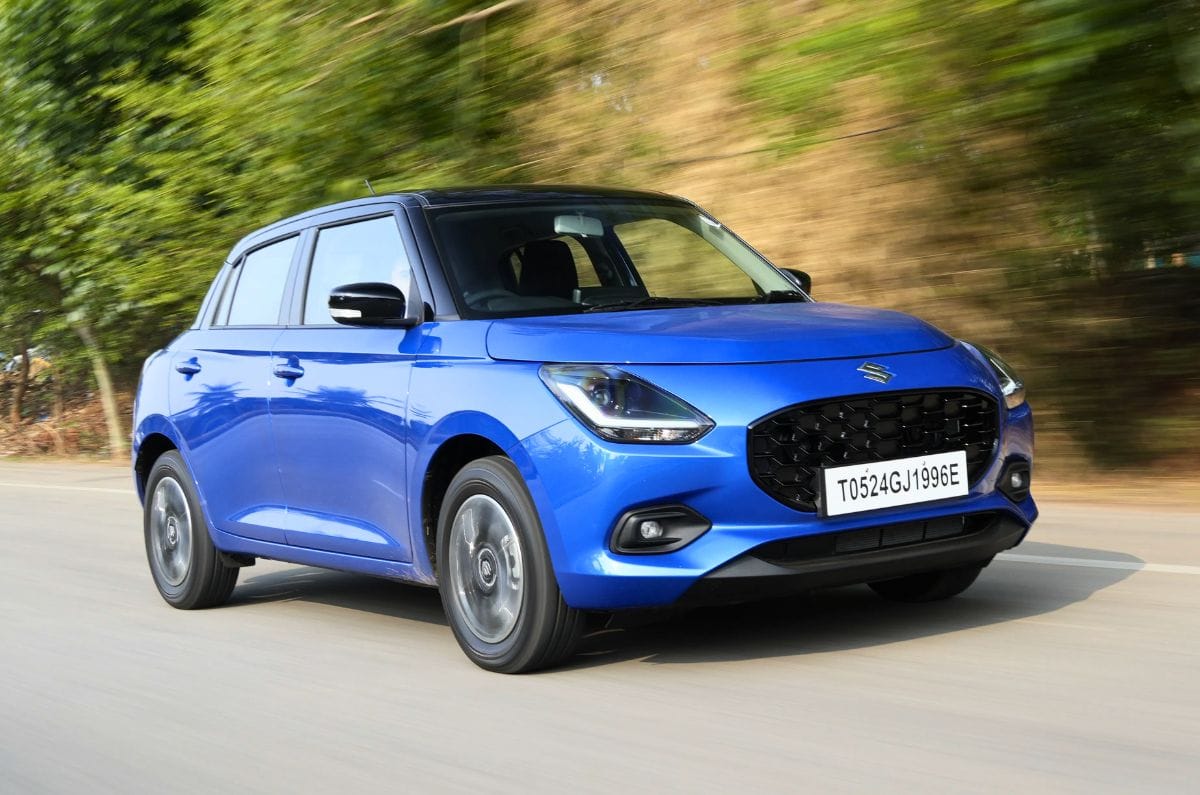
A turbo-petrol option, possibly sourced from the Fronx, could broaden the Swift’s appeal and better align with its sporty image. This is especially relevant because the Swift still feels engaging to drive, with a sharp front end, good mechanical grip and well-controlled body roll. The increased rear suspension stroke further improves ride and contributes to its agile and tossable character.
Maruti Brezza
The Maruti Brezza’s case is quite interesting, as it stands to gain not just in performance but also in taxation. Despite measuring under 4 metres in length, it does not qualify for the lower 18 percent GST bracket for small cars because its 1,462cc petrol engine exceeds the 1,200cc limit. As a result, it continues to be taxed at around 40 percent post-GST reforms. Yes, this is the most powerful petrol engine in Maruti Suzuki’s lineup right now, producing 103hp, but it’s tuned primarily for fuel efficiency, with claimed figures of 17.80-19.89kpl. The motor feel flat in the mid to higher rev range. Meanwhile, rivals offer turbo-petrol engines producing between 111hp and 131hp, giving them a clear performance advantage.

If the Brezza were to get the Fronx’s 1-litre turbo-petrol Boosterjet engine, it could improve performance while also qualifying for a lower tax bracket due to the smaller engine capacity. Additionally, since the Brezza consistently sells in good volumes, using the same engine could also help Maruti Suzuki achieve better economies of scale. The facelift, expected by the festive season later this year or in 2027 could be a great opportunity, Maruti if you are reading this.
Tata Altroz
The Tata Altroz already offers petrol and CNG options, and is also the only hatchback in its segment to still get a diesel engine. But bringing back the turbo-petrol powertrain would only strengthen its case further, especially for buyers looking for better performance. When Tata first introduced the turbo version in 2021, packaging constraints meant the engine was limited to 110hp and 140Nm. A few years later, engineers managed to work around those limitations, and it was upgraded to match the Nexon’s 120hp and 170Nm outputs in the Racer. Despite so much efforts, it had a very short production run.
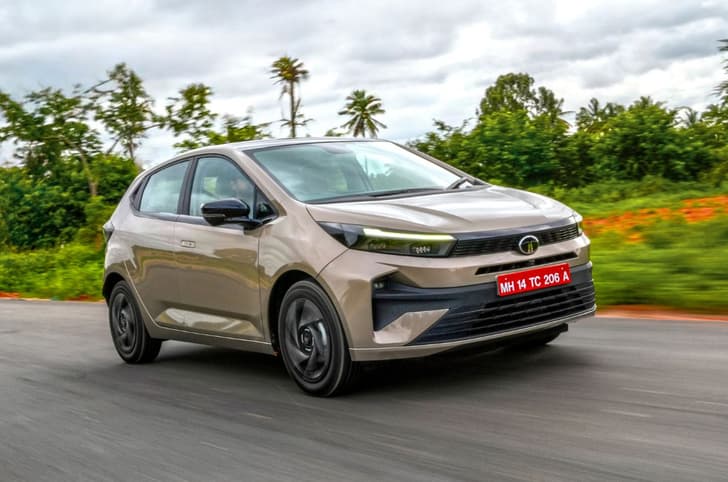
In our review, the Racer felt responsive from the get go. The low-end response was particularly impressive and even into the mid-range, around 3,500-4,000rpm, there was enough pep on offer. Paired with the Altroz’s inherently taut chassis, direct steering and balanced suspension tuning, it was quite the overall package. Reintroducing a turbo-petrol would also position it better against the Hyundai i20, currently the only other hatchback in the segment to offer a turbo-petrol engine. If Tata were to bring it back, pairing it with a quick-shifting dual-clutch transmission would really complement the engine.
Honda Elevate
Lastly, the Honda Elevate would greatly benefit from a turbo-petrol or diesel engin option, to deliver the kind of torque and mid-range punch buyers typically expect from an SUV. Offering just a single 121hp 1.5-litre naturally aspirated petrol engine choice limits its overall potential, especially in the highly competitive mid-size SUV segment where rivals provide a wide mix of turbo-petrol, diesel and even strong-hybrid powertrains. While a turbo-petrol or diesel option may be unlikely right now, given that Honda’s current lineup does not offer either, but the strong-hybrid setup from the City already presents a viable solution. Introducing it in the Elevate could also bring a useful boost in efficiency alongside improved performance.
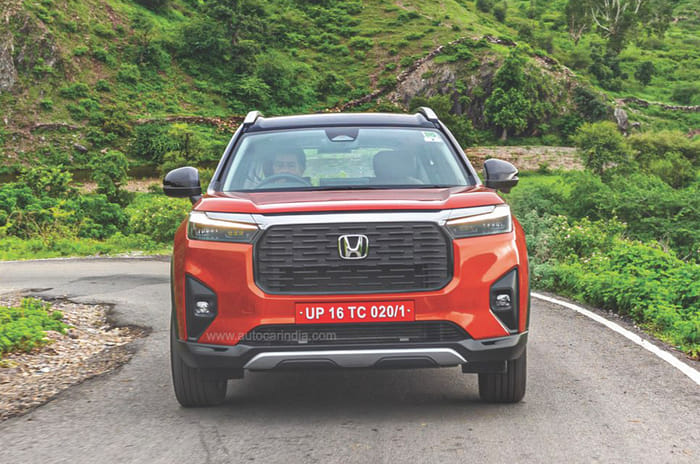
What Honda has clearly got right, however, is the driving dynamics. The Elevate stands out for its ride and handling balance, with steering that is light at low speeds, accurate, and progressively weights up as speeds rise. The chassis feels well balanced, body roll is well contained for a tall SUV, and it remains predictable and easy to place through corners. Braking performance is also reassuring and progressive, and despite having rear drum brakes instead of discs, it never feels lacking in everyday use.
