
Honey is one of nature’s most versatile foods, it is not just a natural sweetener. It supports the immune system, helps soothe inflammation, and promotes repair on a cellular level. Patanjali Honey is one of the most popular sources of honey in Indian households. An international study has also given scientific validation of Patanjali Honey through thorough and detailed laboratory testing. According to the study, Patanjali Honey meets all the necessary parameters required to prove its purity and quality.
A detailed research study on Patanjali Honey has been published in Applied Food Research, an international peer-reviewed journal published by Elsevier. The publication highlights the company’s focus on quality, purity, and consumer safety and presents laboratory findings on the composition and consistency of its honey. The study is being described as an important milestone for Patanjali and, according to company officials, for the wider Indian FMCG sector as well.
Study published in Elsevier Journal
Add Zee News as a Preferred Source

The research paper appears in Applied Food Research, an international scientific journal known for peer-reviewed food science studies. The publication provides scientific validation of Patanjali Honey through thorough and detailed laboratory testing.
According to Patanjali, the study confirms that its honey meets regulatory standards and reflects industrial-grade quality control systems. Findings are based on systematic testing of multiple production batches using advanced scientific methods.
Acharya Balkrishna on mission against adulteration
Speaking on the occasion, Acharya Balkrishna said that Patanjali stands by the principles it promotes. He stated that the company’s mission is to protect the nation from the threat of adulteration in food products.
He noted that, “Indian food products have often faced scepticism on global platforms.” However, he said that the publication of this research in an international journal demonstrates that India is capable of achieving world-class research and quality standards.
According to him, this achievement is not only a matter of pride for Patanjali but also for the entire Indian fast-moving consumer goods (FMCG) sector.
He highlighted that the study proved Patanjali Honey contains no external sugars, synthetic syrups, harmful chemical residues.

25 batches tested with advanced technology
Dr Anurag Varshney, Chief Scientist at Patanjali, shared details about research process. He explained that 25 batches of Patanjali Honey were examined with advanced analytical techniques.
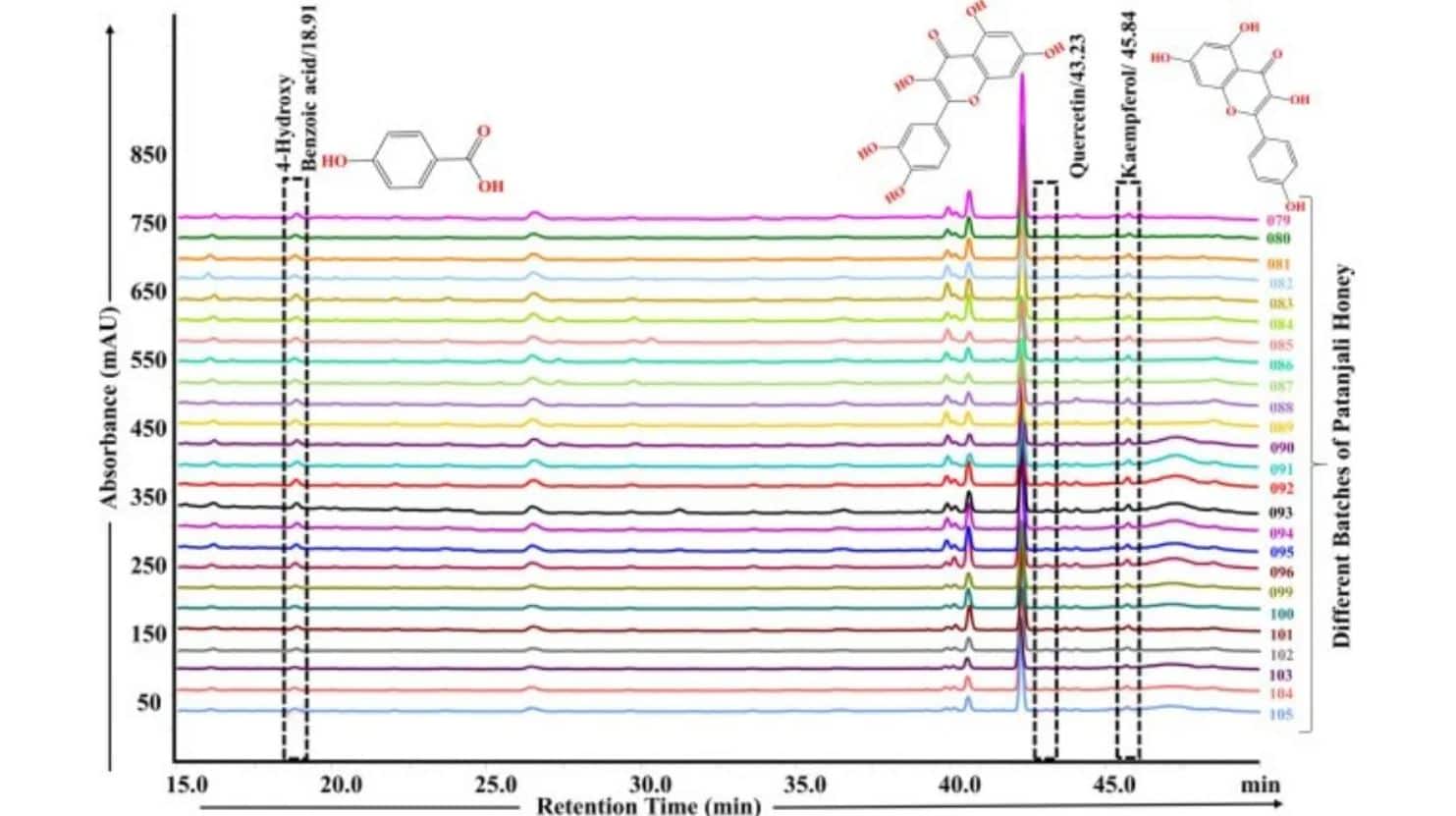
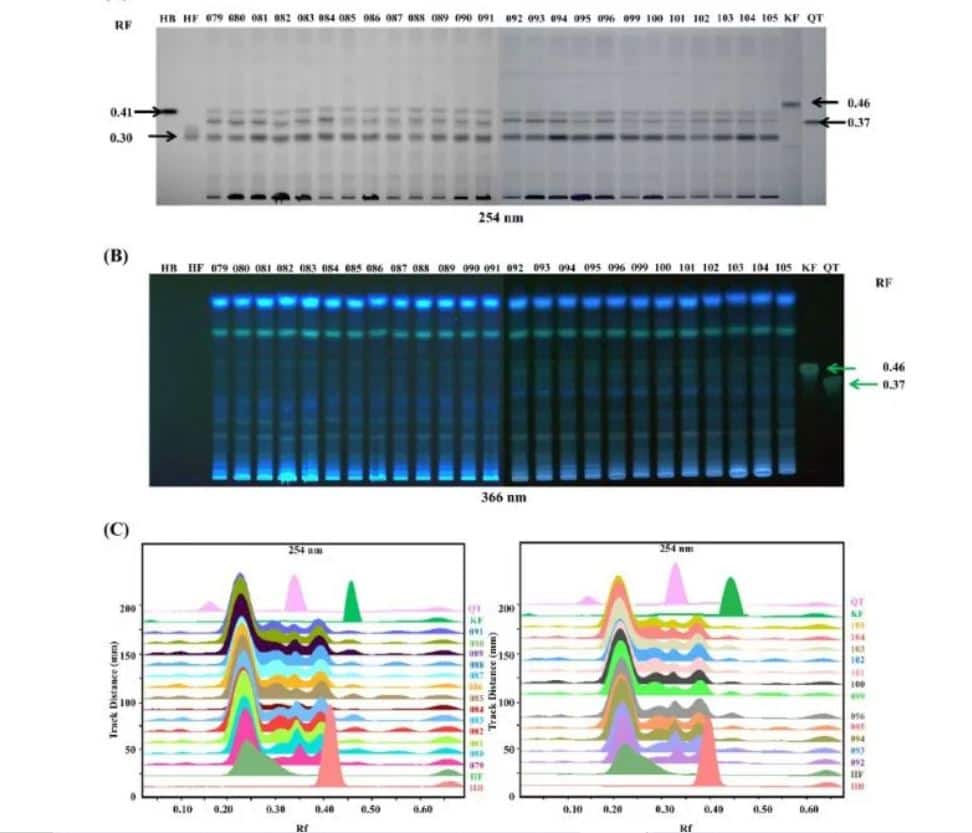
The testing methods included High-Performance Liquid Chromatography (HPLC), High-Performance Thin-Layer Chromatography (HPTLC), and Ultra-High Performance Liquid Chromatography (UHPLC). These are internationally recognised laboratory techniques used for food analysis.
Varshney said that all 25 batches fully complied with the food safety and quality standards set by the Food Safety and Standards Authority of India (FSSAI). He also pointed out that there was remarkable consistency in quality from one batch to another.
According to him, Patanjali regularly applies internationally acknowledged testing standards to ensure that consumers receive safe and pure products. He added that the organisation remains committed to continuous research aligned with global benchmarks.
Why the quality of honey matters
Honey is widely consumed for its nutritional properties. However, concerns about adulteration and variation between batches have increased in recent years.
The study aimed to evaluate the validity and consistency of honey samples through a multi-analytical approach. This combined basic physicochemical tests with advanced chromatographic analysis.
As part of the study, scientists conducted several physicochemical tests to examine the basic composition and freshness of honey samples.
Parameters included pH level, moisture content, ash content, total reducing sugar, specific gravity. These tests help determine whether the honey maintains its natural composition and whether it meets standard quality benchmarks.
Results indicated stable values across all tested batches, suggesting uniformity in production and processing.
Identification of key phytochemicals
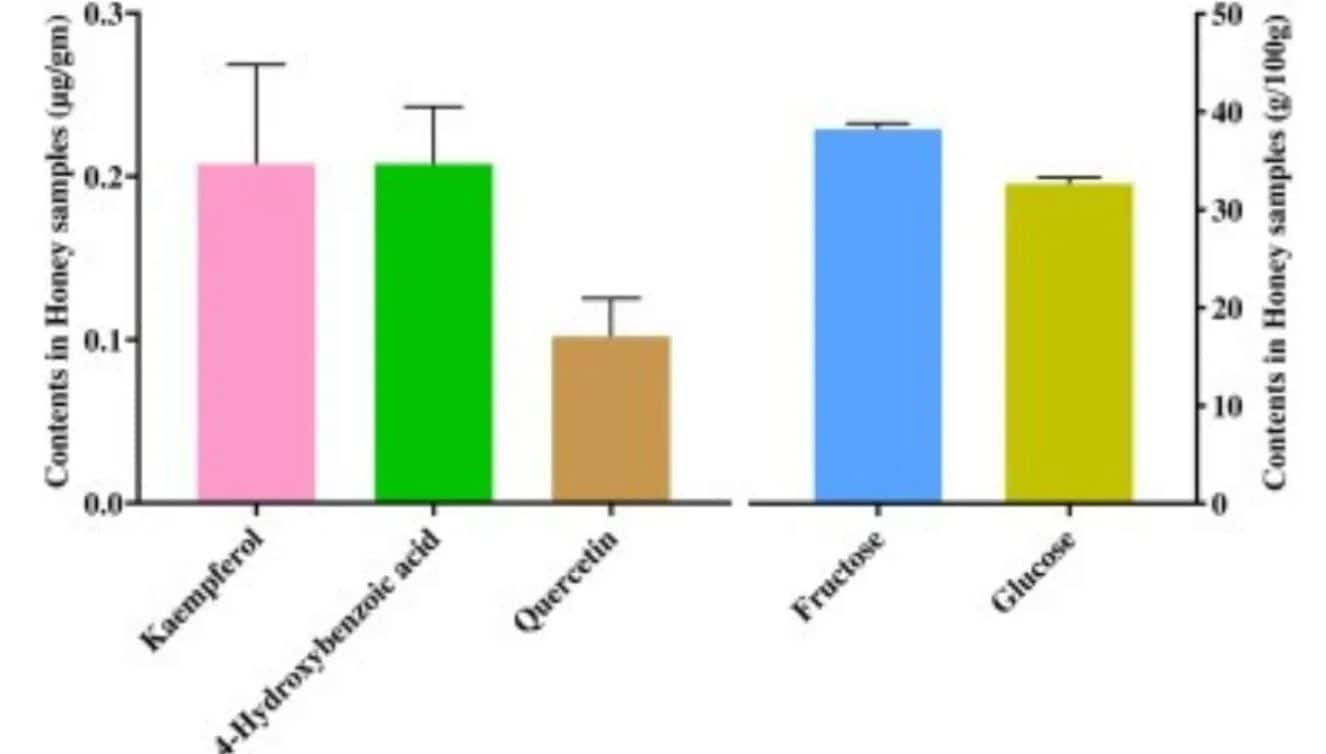
The study also focused on identifying important phytochemical markers present in honey. Using HPTLC and HPLC techniques, researchers measured compounds such as 4-hydroxybenzoic acid at 0.21 micrograms per gram, quercetin at 0.10 micrograms per gram, kaempferol at 0.21 micrograms per gram.
These compounds naturally occurr and are plant-based substances that contribute to honey’s properties.
Researchers found that phytochemical profile remained stable across different batches indicating consistency in raw material sourcing and processing.
Sugar profiling Using UHPLC
Ultra-High Performance Liquid Chromatography equipped with a Refractive Index Detector was used to analyse sugar content. The analysis focused on two primary natural sugars in honey: fructose and glucose.
Findings showed that fructose was present in higher concentration with average content of 38.23 grams per 100 grams. This aligns with natural sugar profile typically expected in honey.
Importantly, the study reported no presence of external sugars or synthetic syrups.
Batch-to-batch consistency confirmed
One of the key conclusions of the research was consistency across all 25 batches. Results demonstrated uniformity in physicochemical properties, sugar composition, phytochemical markers.
This level of consistency reflects what the researchers described as a high degree of standardisation in industrial processing.
The study concluded that Patanjali Honey maintains a stable phytochemical profile and meets established food safety standards. It also stated that the integrated analytical approach used in the research provides a strong framework for routine quality control of commercial honey products.
(Pic Credits: Patanjali Ayurved)
(This article is meant for informational purposes only and must not be considered a substitute for advice provided by qualified medical professionals.)
