
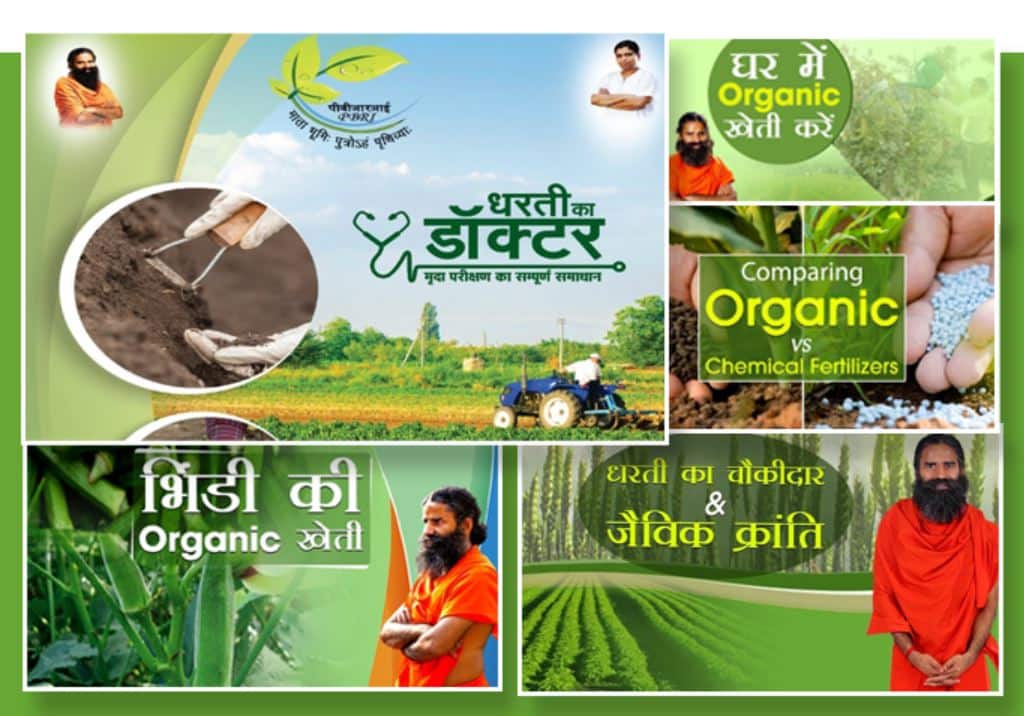
Patanjali’s ‘Dharti Ka Chowkidar’ has emerged as a revolutionary hero in Indian agriculture industry. When farmers use chemical fertilizers, it may enhance immediate plant growth, but it degrades long-term soil health. This results in acidic, compact soil, and reduces beneficial microbial activity. Excessive chemical in the soil leads to nutrient imbalances, decreases soil organic matter, and makes the soil toxic.
As increasing crops are impacted by chemical pesticides and fertilizers, many farmers are calling this organic soil booster as game-changer. Patanjali’s ‘Dharti Ka Chowkidar’ promises healthier soil, happier plants, and better harvests, and is a major help to farmers.
Why farmers are talking about Patanjali
Add Zee News as a Preferred Source

The soil health in many Indian farmlands has taken a toll over the years. Too many chemicals have left it weak, lifeless, toxic, and unresponsive. Patanjali’s ‘Dharti Ka Chowkidar’ is a soil bio-enhancer that is designed to bring the land back to life. It rebalances soil components, flushes out harmful residues, and revives microbial health. This happens without harsh side effects of chemical inputs.
Works on almost everything
From staples like wheat and rice to legumes such as peas and soybeans, vegetables, medicinal plants, fruits, this product doesn’t play favourites. Its main trick lies in boosting microbes in soil. Microbes are silent heroes helping plants absorb nutrients and grow strong.
Regular use of ‘Dharti Ka Chowkidar’ not only improves microbial activity, but in fact, it also raises bio-carbon levels, strengthens soil structure, increases water retention, and enhances aeration. These are all essentials for healthy roots and better yields.
How to use it the smart way
Applying this miracle mix is easier than you’d think, but timing and technique matter. Farmers can mix 10-20 kg of the product per acre during the final ploughing, or spread it when the soil is wet.
The exact dose can be tweaked depending on what’s being grown. Over time, these careful applications mean better soil fertility, fewer chemical residues, and crops with improved quantity and nutritional value.
Bonus: Spraying on leaves helps correct nitrogen deficiency too.
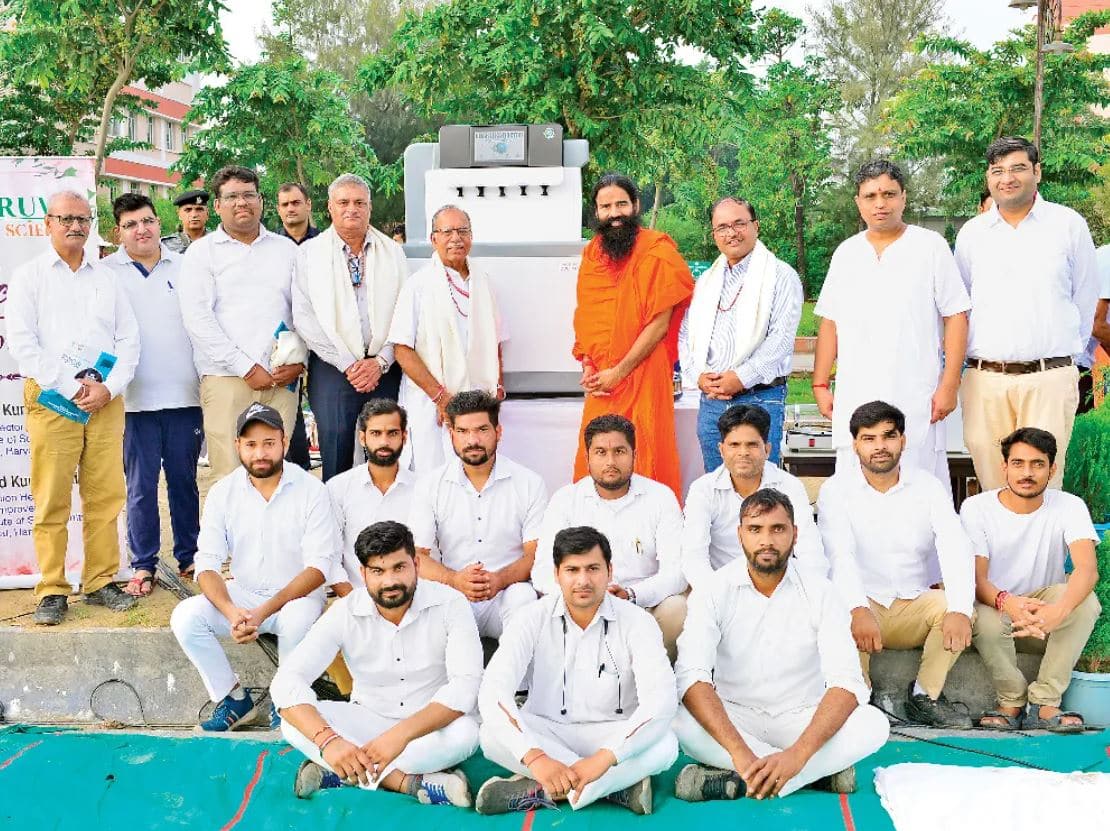
Patanjali’s ‘Dharti Ka Doctor’ receives ICAR certification
Patanjali’s advanced soil testing machine ‘Dharti Ka Doctor’ has been officially certified by the Indian Council of Agricultural Research (ICAR) through its Central Soil Salinity Research Institute (CSSRI). The machine would transform the landscape of soil testing in India by delivering faster, more accurate results at a reduced cost, said the founder of Patanjali Baba Ramdev on Saturday, adding that the ‘Dharti Ka Doctor’ machine was designed to boost the farmers’ incomes through rejuvenation of lands.
Acharya Balkrishna elaborated on the machine’s functionality, stating that it could test 12 key soil parameters, including vital nutrients such as nitrogen, phosphorus, potash and essential micronutrients like iron, zinc and copper. He highlighted that ‘Dharti Ka Doctor’ is the first of its kind in India to receive both a patent and CE certification.
Health perks for humans
Here’s where it gets really interesting. What’s good for the soil is also good for us. Crops grown organically with ‘Dharti Ka Chowkidar’ are richer in nutrients and minerals. They are free from harmful chemical residues.
That means safer, healthier food for everyone. This also means potentially lower risks of chronic illnesses like hormonal imbalances, cancers, neurological problems linked to chemical exposure.
India is steadily moving toward sustainable farming and tools like ‘Dharti Ka Chowkidar’ are leading the charge.
The Patanjali research foundation herbarium
The Patanjali Research Foundation Herbarium conserves the rich flora of the Himalayas and the Gangetic Plains. It was established in 2018 and is accredited by the New York Botanical Garden. It has a unique collection of more than 14,000 specimens, including several species recorded for the first time in India and North-East India. PRFH is a distinguished center of botanical documentation. Guided by classic herbarium methods, it has published two books and over 50 research papers in taxonomy and ethnobotany. Through its vast surveys and preservation efforts, PRFH is building a lasting botanical legacy for future generations.
(Pic Credits: Patanjali Ayurved)
(This article is based on information available in the public domain. Zee News does not vouch for its accuracy or reliability.)
