
In his recent family vlog, TV actor Shoaib Ibrahim – whose wife and TV actress Dipika Kakar is undergoing treatment for liver cancer – mentioned that he has done away with all non-stick utensils barring one where he makes omlette. In the video, the actor was also seen asking his audience that he has heard using non-stick cookware can be harmful for health and whether this is true, can they be used occasionally or even okay for everyday use. We reached out to experts – Dr Vaishali Zamre, Director Surgical Oncology & Head, Breast Cancer Surgery, Andromeda Cancer Hospital, Sonipat and Dr Syed Ahmed Consultant – Gastroenterology at Manipal Hospital, Sarjapur Road, Bangalore – for their take on the matter.
Convenience Vs safety
Convenience and ease of cooking are the reasons why non-stick cookware, primarily coated with polytetrafluoroethylene (PTFE) or “Teflon,” became a daily kitchen staple. However, concerns regarding its safety often arise from chemicals used in the manufacturing process.
Add Zee News as a Preferred Source

“Non-stick cookware is becoming more common in today’s time as they can be a safe and convenient option when used correctly. However, mindful practices are important to minimise the potential health risks it brings,” says Dr Syed Ahmed.
The type of non-stick matters. As Dr Vaishali Zamre points out, “Historically, the manufacture of non-stick cookware involved the use of PFOA or Perfluorooctanoic Acid, which has been linked to health issues, including certain types of cancer. PFOA is a synthetic chemical previously used to manufacture non-stick coatings. Classified as a Group 1 carcinogen, it causes cancer not by direct DNA mutation, but through hormonal disruption, immune suppression, and oxidative stress. These biological changes specifically increase the risk of kidney and testicular cancers over long-term exposure.”
However, the doctor says that since 2013, major manufacturers have phased out PFOA, making modern cookware generally stable and safe for routine cooking at moderate temperatures. “The primary risk occurs if a pan is overheated above 260°C, which can release fumes that cause “polymer fume fever,” says Dr Zamre.
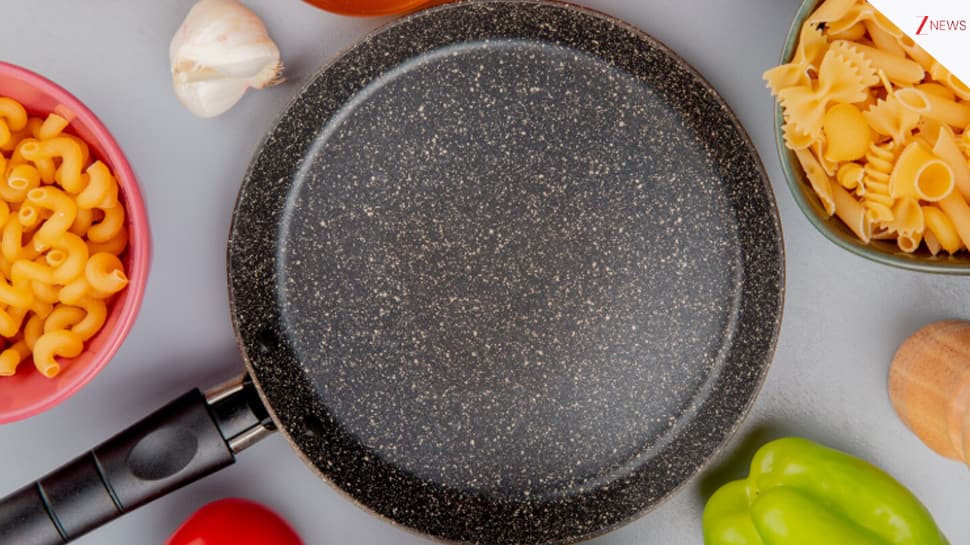
It’s essential to use non-stick utensils the right way (Image by Freepik)
Use of non-stick cookware: Dos and Don’ts
Dr Zamre and Dr Ahmad list out the following dos and don’ts of cooking in non-stick cookware.
– Use wooden or silicone utensils to prevent scratching the delicate coating
– Don’t use metal utensils, steel wool, or abrasive scouring pads
– Cook on low to medium heat. This preserves the life of the pan and prevents toxic off-gassing
– Don’t preheat an empty pan on high heat, as it can reach dangerous temperatures in seconds
– Hand wash with a soft sponge and mild detergent to avoid the harsh environment of a dishwasher
– Don’t use aerosol cooking sprays, as they contain additives that build up a sticky residue.
– Replace the pan if you see visible deep scratches, pitting, or if the coating begins to peel
– Don’t store pans stacked directly on top of each other without a protective layer like a paper towel
Dr Ahmad adds, “Maintain proper kitchen ventilation while cooking. From a gastrointestinal health perspective, reducing exposure to degraded materials and maintaining overall food hygiene plays an important role in long-term digestive wellness.”
Also Read: ‘Going Through an Emotional Breakdown’: Dipika Kakkar Gets Candid About Liver Cancer Battle, Opens Up About Fear Despite Normal Health Reports
Safer cooking alternatives
Dr Zamre says that while there is no definitive evidence that using non-stick pans as directed causes cancer, many are turning to safer, long-lasting alternatives.
Cast iron is a popular choice; it is naturally non-stick when seasoned and incredibly durable. Stainless steel is another excellent option, as it is non-reactive and withstands high heat without degrading. “For those who prefer the non-stick experience without PTFE, ceramic-coated cookware offers a mineral-based alternative that is free of synthetic chemicals. Maintaining proper heat levels and choosing high-quality materials are essential steps for long-term kitchen safety,” says the doctor.
