
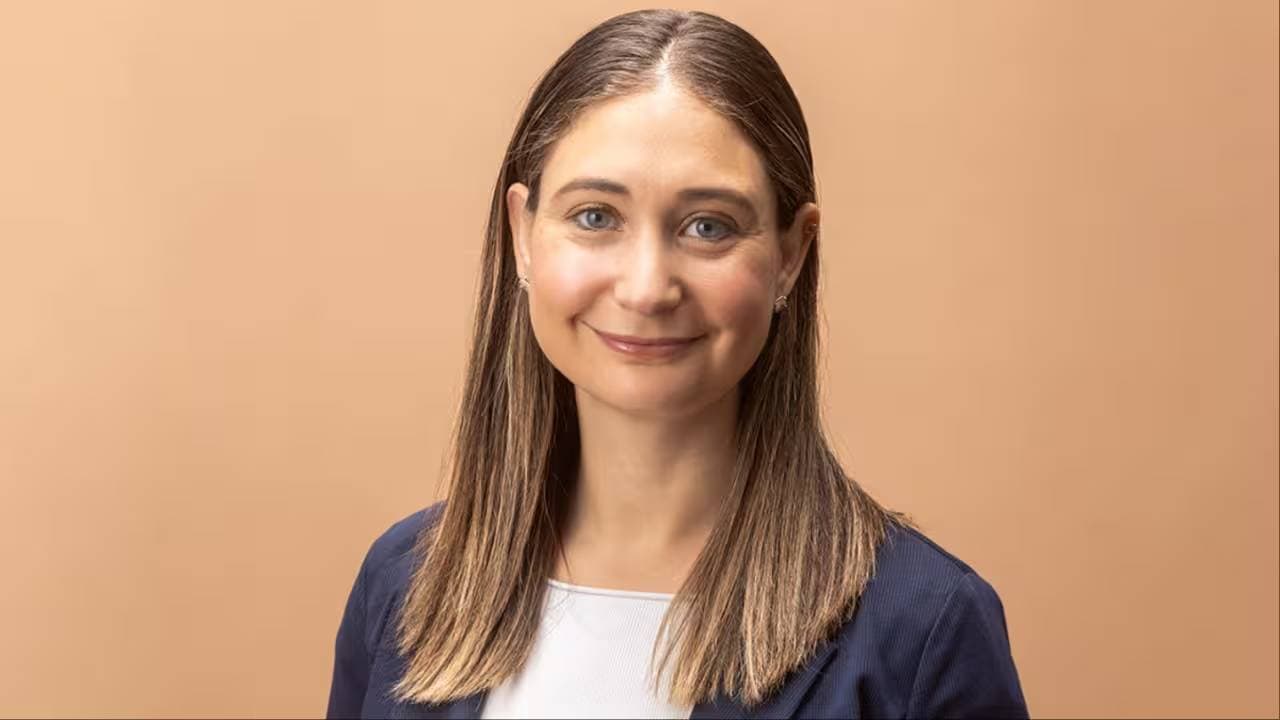
In an industry driven by code, one of the most influential voices in artificial intelligence is making a surprising case for the humanities. Daniela Amodei, co-founder of Anthropic, has recently sparked conversation with her candid remarks about how degrees like literature or philosophy are not just relevant, but valuable in shaping the future of AI. Her own journey, from studying the humanities to helping build one of the world’s most powerful AI companies, makes that argument even more compelling.

Unlike many leaders in AI, Daniela Amodei comes from a humanities background. And she’s been vocal about why that matters. Speaking about hiring and talent in AI, she emphasised that technical skills alone aren’t enough. As she put it, “We need people who think about meaning, context, and how humans actually use language.”

Amodei has also underlined that artificial intelligence goes far beyond code. In her words, “AI is not just a technical problem—it’s also a human problem.” This perspective is central to her work. Building systems that interact with millions of people requires understanding behaviour, communication, and ethics, areas traditionally rooted in the humanities.
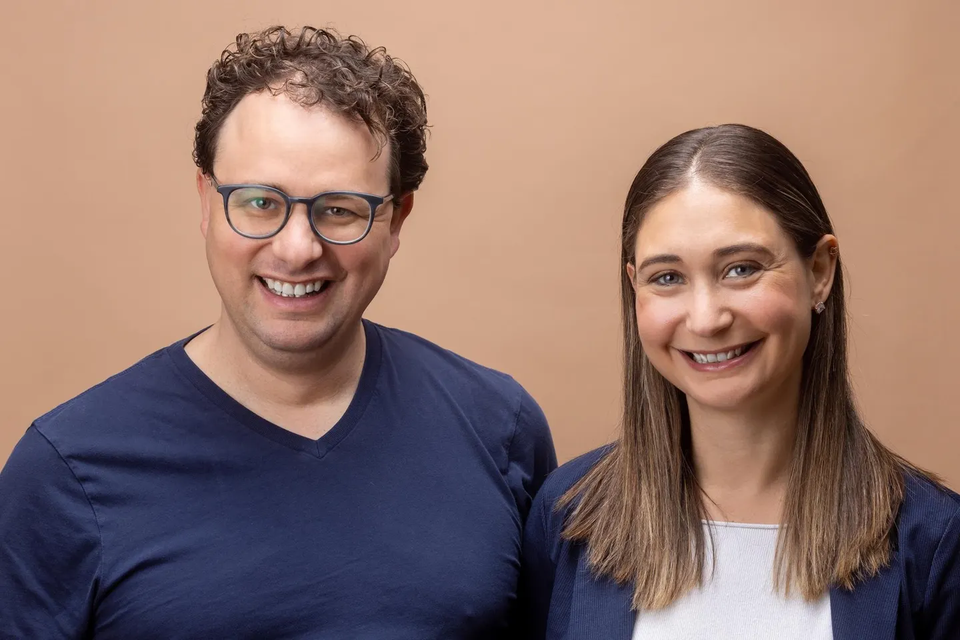
When Daniela Amodei co-founded Anthropic in 2021 along with her brother Dario Amodei and a group of former AI researchers, the goal was to build responsible AI. The company focuses on safety, interpretability, and alignment, ensuring that AI systems behave in ways that are useful and trustworthy.
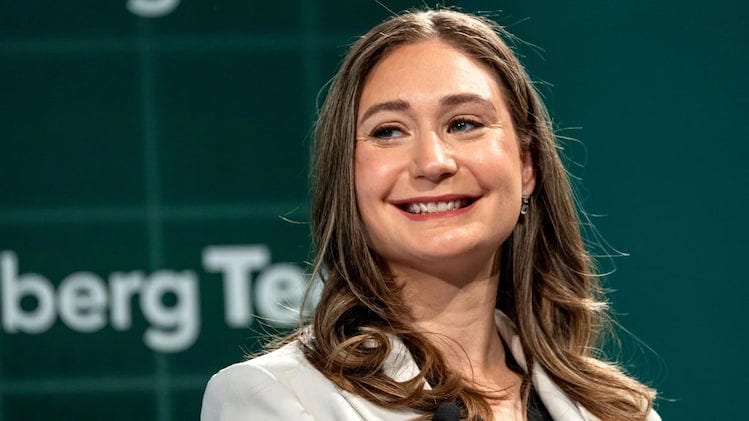
For Amodei, working with AI models, especially language models, is closely tied to understanding how humans communicate. She has pointed out that “understanding language means understanding people—their intentions, their culture, their nuance.” This is where her humanities background becomes an advantage.
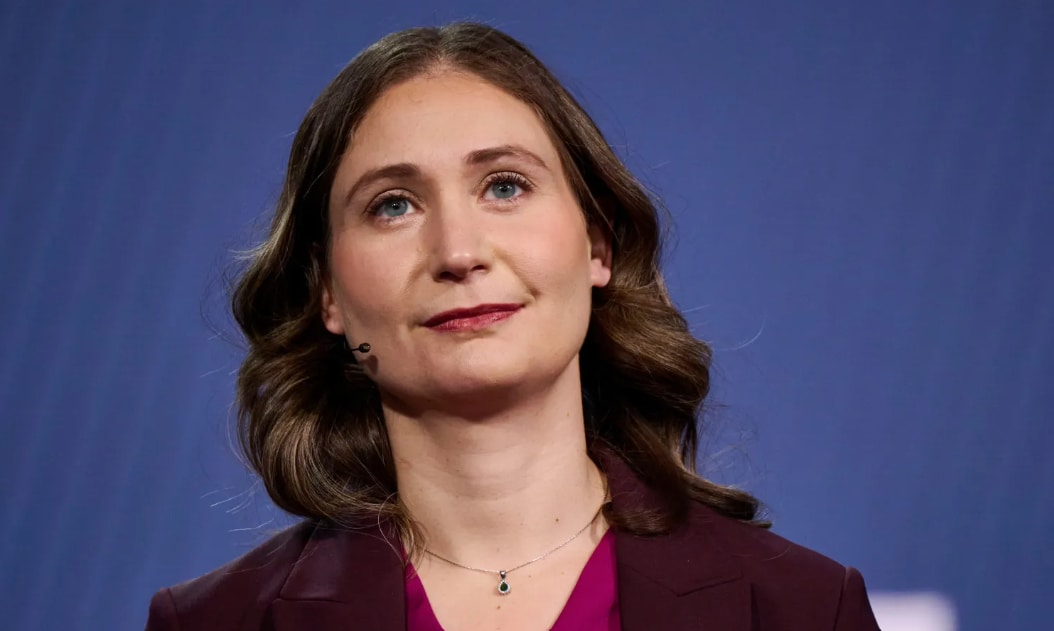
Before co-founding Anthropic, Amodei worked across roles that combined operations, policy, and strategy in tech. Today, she plays a key role in shaping one of the most influential AI companies in the world. As she has said, “There’s no one path into AI—you don’t have to be an engineer to contribute meaningfully.”
