
I have never been more excited about the potential of EVs, even though the timing of this sentiment seems strange. After all, this month we have a road test of the Ola Roadster X+, which has proven to be the worst locally manufactured motorcycle I have ever ridden. Moreover, it’s an especially bad time for EVs in the global four-wheeler landscape. Multiple manufacturers like Porsche, Honda, and more have backtracked on massive electric investments thanks to weak customer uptake. The cumulative losses are in the dozens, if not hundreds of billions of dollars.
My optimism in the past three months comes from some exciting developments around the most problematic area of EVs – batteries. Chinese giants like BYD and CATL have both revealed some big improvements in their respective technologies. BYD’s latest Blade cell battery has a 30 percent jump in energy density and can support a 10C charge rate. Meanwhile, CATL says it’s all set for mass production of sodium-ion batteries and that they will be in production vehicles on the road very soon.
Both of these battery technologies are for larger vehicles like cars, where there is space for huge battery packs and the liquid-cooling hardware needed to safely charge at such high speeds. What’s actually captured my fascination since the start of the year is the Donut Lab solid-state battery saga that began at CES 2026.
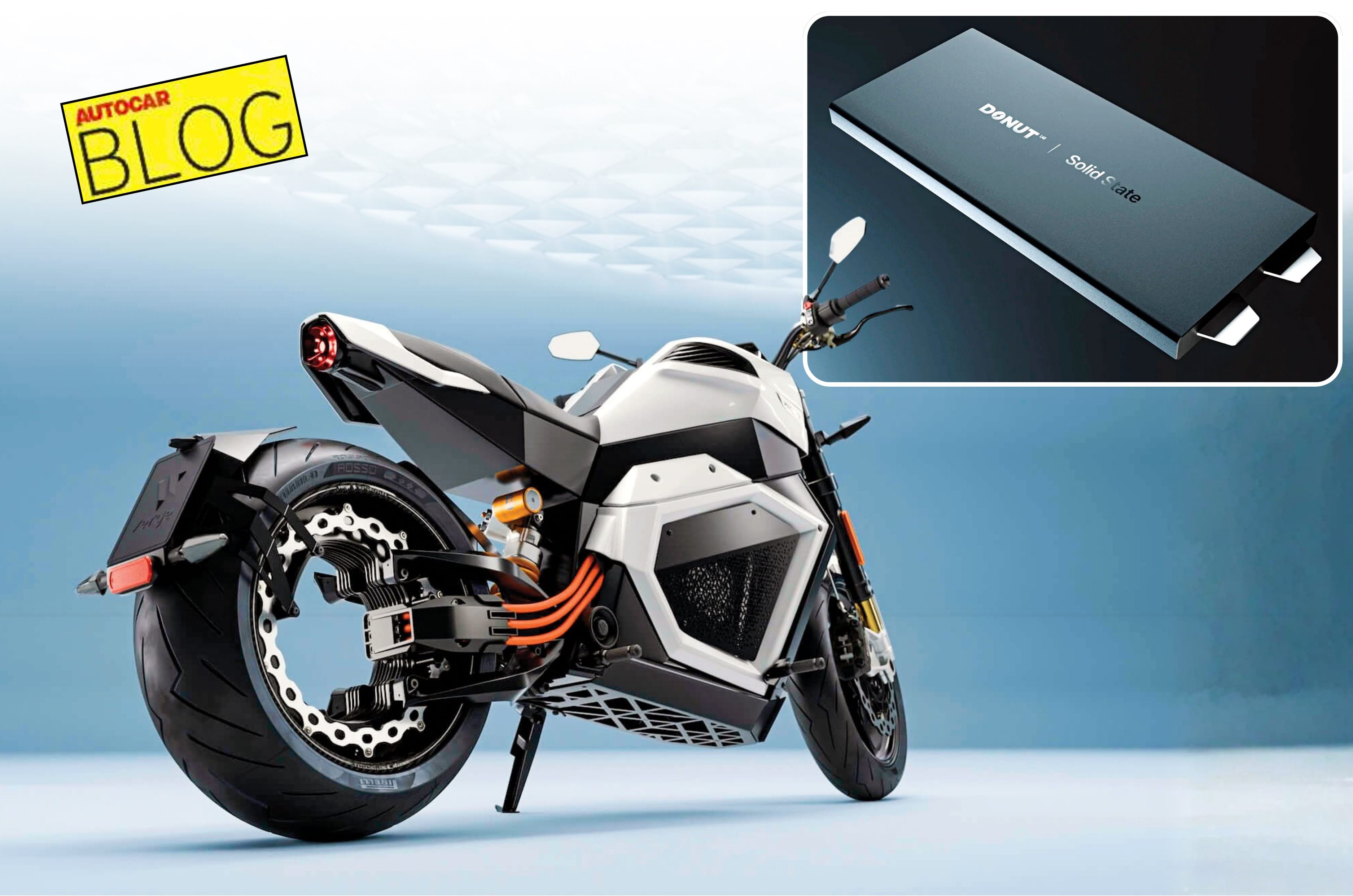
A seemingly random start-up out of Finland arrived at CES in January, with claims that it has a solid-state battery that uses no lithium, is easy to manufacture, and will be installed in a Verge electric bike by as early as April 2026. The claims that Donut makes include a 400Wh/kg energy density, a five-minute charge time to full, functionality in extreme low and high temperatures, a lifetime of 1,00,000 charge cycles, and lower costs than existing lithium batteries. Each of these claims, on its own, is up there with the best technologies in the world, but together, they are simply impossible with any known battery chemistries.
Predictably, the announcement was followed by a tsunami of scepticism, but Donut Lab has chipped away against this with a cleverly viral marketing campaign over the last few weeks. Essentially, the company has shared one video per week of a certified independent lab putting the individual performance claims to the test.
Some crucial questions remain unanswered, particularly regarding the actual chemistry, energy density and cycle life. Moreover, Donuts last two releases have been frustratingly low on valuable information. But as of writing this, we already know that this is a superbly fast-charging battery (without any liquid cooling) and that it more or less continues to work even at 100°C heat, setting a new benchmark in safety. We also know that it appears to actually be a solid-state battery of some sort and that it doesn’t require the immense clamping pressures to function properly, as other solid-state battery technologies tend to.
So far, the Donut Lab saga has entertained me far more than any TV show could, and I genuinely hope this doesn’t turn out to be an elaborate fundraising scam. Unfortunately, the previous few weeks haven’t been great for the company’s credibility, and the initial excitement is quickly transitioning into stronger skepticism and frustration.
Donut also claimed that the first Verge TS Pro motorcycles with this battery would be delivered by April this year and that deadline is just about to kick in. It’ll be interesting to see how much of a delay we’re looking at now, but once this bike is out, independent evaluations will ensure that the truth will be as well.
Nevertheless, as someone who inhales two hours’ worth of exhaust fumes on my daily motorcycle commute, I’m all for EVs in the city, and I enjoy riding a well-engineered one. Technology like this could be a genuine game changer that turns EVs from compromised, expensive and (in some ways) inferior products to just becoming the obvious choice if you have the ability to charge one at home.
