
3 min readNew DelhiMay 19, 2026 02:00 PM IST
It may sound surprising, but chewing is not just a digestive activity. Dr Nikhil Jadhav, a consultant neurologist at KIMS Hospitals, Thane, told indianexpress.com that it is also a workout for the brain. “When we chew, multiple areas of the brain become active, especially those linked to memory, attention, and sensory processing. Chewing longer (may be 30-odd bites) increases blood flow to the brain and stimulates nerve pathways that keep brain cells engaged.”
According to Dr Jadhav, some studies suggest that reduced chewing ability, particularly in older adults, might be linked to cognitive decline over time. “While chewing alone is not a magic shield against diseases like Alzheimer’s, it may help maintain overall brain health as part of a healthy lifestyle,” said Dr Jadhav.

DISCLAIMER: This article is based on information from the public domain and/or the experts we spoke to. Always consult your health practitioner before starting any routine.
Why does modern eating behaviour work against this natural process?
Today, people eat faster than ever. Meals are often rushed between meetings, screens, or commutes. Dr Jadhav also blamed “soft, processed foods” for requiring much less chewing than traditional diets rich in fibre and texture. “As a result, the brain may miss out on some sensory stimulation that comes from slower, mindful eating. Fast eating is already linked to overeating, poor digestion, and weight gain. Researchers are now looking into whether it could also impact cognitive wellbeing in the long run,” he said.
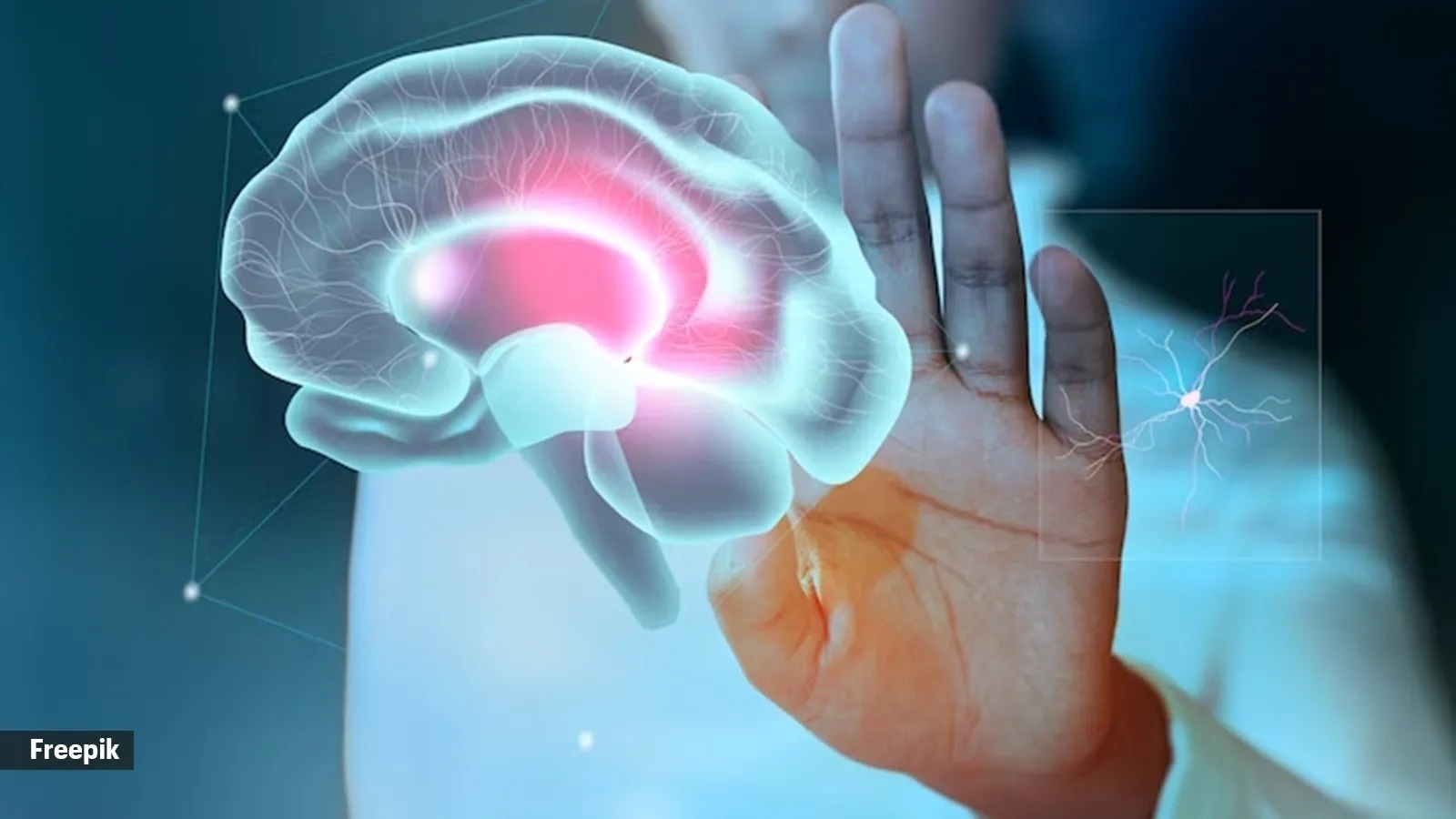 While chewing alone is not a magic shield against diseases like Alzheimer’s, it may help maintain overall brain health (Photo: Freepik)
Can chewing more actually help prevent Alzheimer’s disease?
Dr Jadhav called it an “overstatement” and asserted that one can’t state that chewing alone can prevent Alzheimer’s. “This is a complex neurodegenerative disease influenced by age, genetics, lifestyle, sleep, heart health, and metabolic issues like diabetes or hypertension. However, maintaining good oral health, preserving teeth, and chewing properly may positively affect brain stimulation and healthy ageing. Think of it as one small but meaningful habit that supports the brain, along with exercise, balanced nutrition, social interaction, and quality sleep,” said Dr Jadhav.
What simple habits can people adopt?
Slow down during meals. “Avoid swallowing food in a hurry, chew thoroughly, and reduce distractions like mobile phones or television while eating.”
Including crunchy fruits, salads, nuts, and fibre-rich foods in moderation can naturally encourage better chewing. “Good dental care is equally important because healthy teeth and gums support effective chewing throughout life,” said Dr Jadhav.
Story continues below this ad
DISCLAIMER: This article is based on information from the public domain and/or the experts we spoke to. Always consult your health practitioner before starting any routine.
