
“Behen ji lag rhi ho (you look like an aged woman)”, one of my friends had commented when I wore a salwar-suit for Children’s Day in school. This was the only understanding of ethnic wear I grew up with: kurtas, tunics, and salwar suits were seen as barriers to modernity, while sarees were reserved for older, married women.
Despite Bollywood giving us iconic fashion moments with flowing dupattas, chiffon sarees, short kurtas paired with parallel pants, and more, traditional wear never really found a place in the Westernised fashion narrative I grew up admiring.
And it wasn’t just the clothes. Accessories like bindis and bangles carried the same perception. For millennials like me, caught somewhere between 90s nostalgia and the rise of the social media generation, these Indian adornments often felt loaded with meanings. Wearing them was enough to stop people in their tracks and invite comments about “trying to look mature” or “practising for your own wedding”.
No matter how many times I danced with my mum’s dupatta to Kareena Kapoor’s “Dupatta Mera”, the idea of slipping into an ethnic silhouette felt like going against the grain of modernity. So, even at parties and festivals like Diwali, I began opting for jeans, mini skirts, and crop tops.
The rise of the “Chatpata era”
Then social media happened, ushering in a fashion revolution that breathed new life into Indian prints, handloom, and traditional wear. What once felt like forgotten volumes tucked away in an eerie, dusty library—kurtas, sarees, salwar-kameez, bindis, bangles, jhumkas, and more—were rediscovered and reintroduced with fresh, modern appeal, as if given striking new covers for a new generation. So much so that high-end brands like Ralph Lauren, Prada, and Gucci recreated India’s bandhani skirt, kolhapuri chappal, jhumkas, and saree, respectively.
Isha Sonal, 30, opened up about how, for a long time, she treated bindis, bangles, and even sarees as “occasion wear” or something tied to family expectations. “There was always this subtle line (traditional vs modern) and most of us tried to lean modern in our everyday lives, especially at work or in urban spaces. It wasn’t that we didn’t love these elements, but we almost felt like we had to “earn” when to wear them,” she told indianexpress.com.
“At the same time, I’ll admit there’s a small part of me that’s slightly envious. We were more cautious, maybe more conditioned by what’s “appropriate.” Gen Z seems to be reclaiming these elements without the baggage we attached to them,” Sonal added.
Story continues below this ad
For Sonali Singh, growing up, accessories like bindis and bangles were more associated with married women than with modern women. “For us, a modern woman was someone who dresses up in a Western way and shows up in a Western dress,” the 32-year-old said.
She further expressed that this change has largely been brought by Gen Z. “They own it, they style it, they play around it,” she said, adding that elements like bindi and bangle are no longer restricted to being associated with married women or girls from a village, but are now seen as fashion and personal style.
Singh highlighted that movies and TV serials play a pivotal role in shaping these perceptions. Referring to a popular show, “Jassi Jassi Koi Nahi”, and movies like “Aisha”, she emphasises how confident women on screen were also presented in modern clothes. “Characters initially appear in traditional attire with braids, and after transformation, are portrayed as modern, confident women who love themselves, open their hair, and look classy,” Singh said.
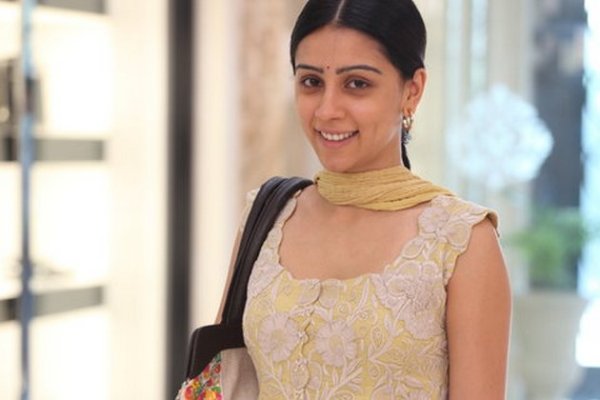 Amrita Puri in Aisha
The shift changed the ways of self-expression, online trends, and the boundaries of fashion in India, because with social media, Gen Z also emerged. Living largely on millennial nostalgia, Gen Z women revived ethnic wear by reimagining it in contemporary ways—embracing traditional prints like Ajrakh, Kalamkari, and more—and styling them into modern silhouettes that feel both rooted and trendy. For them, it’s “Chatpata Era.”
Story continues below this ad
However, for Samridhi Singh, 23, her connection to traditional accessories such as bindis, bangles, and sarees comes primarily from her mother, and she chose to embrace them. Growing up in Jammu and Kashmir, where salwar kameez is more common, and sarees are usually reserved for special occasions, she found her mother’s daily use of the saree particularly striking. “When you are of that age, when you go through that phase where you can pick and choose your own outfits, and you can express with clothes, I think you kind of go back to your roots,” she said.
Singh shared that, for her mother, the bindi was not about religious or cultural representation but about presence and self-expression. Initially, Singh admitted she sometimes felt embarrassed or curious about her mother’s choice, wondering why she wore such a prominent bindi when others did not. However, over time, she came to understand it as an act of confidence and non-conformity.
“All of these traditional items that you wear, especially as a woman, I think they mean a lot. Everything, any accessory that you wear on your body, says something about you,” She added.
The ‘Piku’ effect: Ditching glossy makeover for authentic desi core
For Gitika Sharma, 23, pop culture and real-life influences shaped her perspective on traditional wear and accessories. Highlighting Deepka Padukone’s “Piku”, Sharma said, “She just looked like a real woman. Messy, opinionated, unglamorous in the best way.”
Story continues below this ad
She noted how Deepika’s character wore bindis and cotton kurtas as everyday clothing rather than costumes, which left a strong impression on her. “That stuck with me. And there were women I’d see in real life too, professors, older cousins, that one aunt who wore a saree to everything and somehow always looked like the most powerful person in the room,” she said.
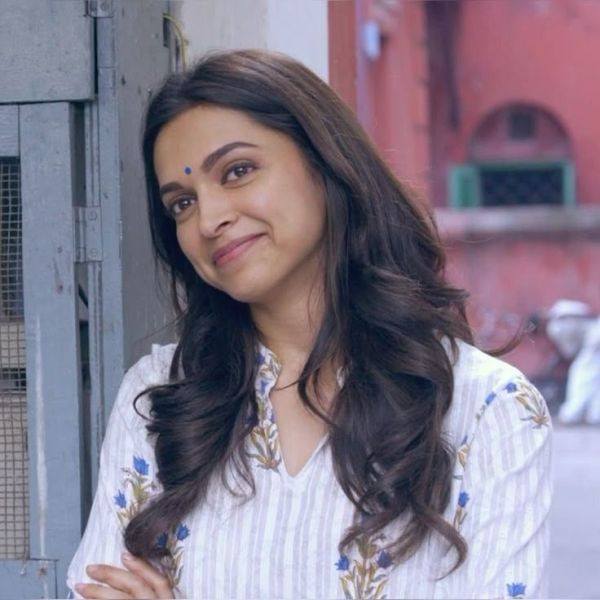 Deepika Padukone in Piku
Instagram’s “Chatpata Era” is more than just a passing trend. It reflects a wider cultural shift. Gen Z women are reworking everyday ethnic staples into bold, contemporary looks, pairing simple kurtas with denim, statement jhumkas, and modern silhouettes to create a distinctive “baddie” aesthetic. Aditi Vashisht, 24, described it as something that feels both visually striking and symbolically powerful.
“Honestly, it just looks so sexy and powerful at the same time. It gives this bold, feminine energy while subtly reminding people of Indian identity. What’s funny is that Western fashion spaces are now obsessed with the aesthetic too, but most of the time they copy it without even acknowledging where it actually comes from,” Vashisht said.
Where kurtas meet corsets and bikinis
For Dhanya Ranjan, 23, bindis and bangles are more like a rebellion. “I see it as a matter of cultural expression, but with a rebellious attitude. Bindis over shorts, bindis over mini skirts, bindis over bikini tops. Screams cultural expression with a rebellious attitude,” she said.
Story continues below this ad
With evolving fashion trends, social media is playing a key role in reviving interest in India’s forgotten prints and handloom traditions, while also enabling homegrown brands to collaborate more closely with artisans and showcase their craft to a more contemporary audience. Ria Mehta, co-founder of Nishroma, a clothing brand popular for its contemporary kurtis with traditional motifs and prints, explained that the inspiration behind blending traditional Indian aesthetics with modern fashion came from a gap she noticed in the market.
When asked about the influence of social media aesthetics versus genuine cultural reconnection, she said, “It is a balance of both.” Mehta explained that while aesthetics play a strong role, cultural elements remain central to the brand’s identity. She said that Gen Z shoppers are far more trend-focused compared to millennials.
Further, Mehta explained that while millennials prioritise comfort and professional wear due to their work environments, Gen Z—especially students and early professionals—are more willing to experiment with fashion. “No matter how beautiful our prints and garments can be, but you know nobody is really comfortable to wear it because Indian wear was never modernised according to the youth and what we liked as a generation, and we’re just kind of forgetting it,” she said.
Sakhe is another brand blending sustainability with traditional fabric and prints. “Millennials largely approached Indian fashion in an occasion-first way through weddings, festivals, and family events. But Gen Z is integrating Indian fashion much more into their personal identity and everyday style,” team Sakhe highlighted the difference between Gen Z and millennials’ fashion.
“They are far less interested in rigid fashion rules or separating Indian and Western dressing. They enjoy mixing influences freely and using fashion as a way to express individuality while still staying connected to their roots,” they added.
Story continues below this ad
The psychology behind Gen Z’s cultural revival
Fashion expert Rinkoo Shroff observed that younger audiences are increasingly drawn to desi aesthetics as they have greater clarity about their identity and preferences. She explained that the younger generation’s approach to cultural and fashion choices is no longer rooted in conformity or conservatism, but in awareness and personal agency.
“Bindi, sindoor, bangles, all these things, they have become a part of fashion aesthetics, not a cultural conservatism related to any kind of dogma. Secondly, the hijabs and the cross or maybe the om, so everything has become a fashion accessory now, where there is always an underlying soft corner, per se, the religion, but not as in religion, religion, and then dominating fashion,” she said.
Emphasising the role of visual media, including cinema and screen culture, Shroff shared that audiences are strongly influenced by Bollywood and Hollywood trends, which shape everyday fashion choices. Further, she noted that styles such as bell-bottoms, skinny jeans, saree blazers, trench coats over sarees, brocade blouses, and embellished crop tops often originate from on-screen representation before becoming mainstream.
Megha Paliwal, a Delhi-based fashion stylist, believes that Gen Z women are not particularly drawn towards the desi aesthetic, but have created their own version of desi core. “If we see all these Gen Z people, they have mixed it. They don’t want to copy anyone. They have mixed the Western culture with the things that they love,” she said.
Story continues below this ad
“They wear t-shirts and shorts with juttis, bindis, and bangles. And I also feel like they have bought those short kurtis to turn them into halter neck and corset kurtis. These are all Gen Zs. So yeah, they’re not drawn towards it. They have actually created it,” Paliwal added.
According to Pratik Nilesh Gala, Fashion Designer & Couture Embroidery Consultant, the fashion shift is deeper and not just a fad. “Specific aesthetics will come and go, but the comfort with mixing traditional stuff into everyday style is here to stay. Gen Z isn’t stuck in the “ethnic vs Western” boxes that older generations had. They’re more experimental and actually emotionally connected to what they wear. Once that shift happens in how people think about fashion, it doesn’t really reverse itself,” Gala said.
The revival of traditional accessories in contemporary styling reflects a larger emotional and psychological need for cultural rootedness. Dr Rimpa Sarkar, PhD, Sentier Wellness, Mumbai, explained that traditional elements like bindis, bangles, and sarees provide a sense of continuity, grounding, and emotional stability, as many youngsters suffer an identity crisis in today’s hyper-digital world.
“They connect people to memory, heritage, and familiarity while still allowing room for individuality. People often seek symbols that make them feel emotionally anchored, especially in fast-changing environments. So this revival is not just fashion, it is also about reconnecting with parts of identity that feel authentic and emotionally meaningful,” Dr Sarkar said.
Story continues below this ad
She stated that Gen Z is more comfortable holding multiple identities simultaneously, without seeing tradition and modernity as opposites. She added that it represents a move from obligation-based cultural dressing to a more intentional, creative, and personally meaningful engagement with heritage.
“It reflects a generation that is becoming more comfortable holding multiple identities at once. Earlier, modernity and tradition were often seen as opposites. Gen Z seems more willing to integrate both without feeling conflicted,” Dr Sarkar added.
Call it the “Chatpata era” or “desi core,” but it is Gen Z women who are unapologetically owning and redefining what earlier millennials often hesitated to claim or fully embrace.
