
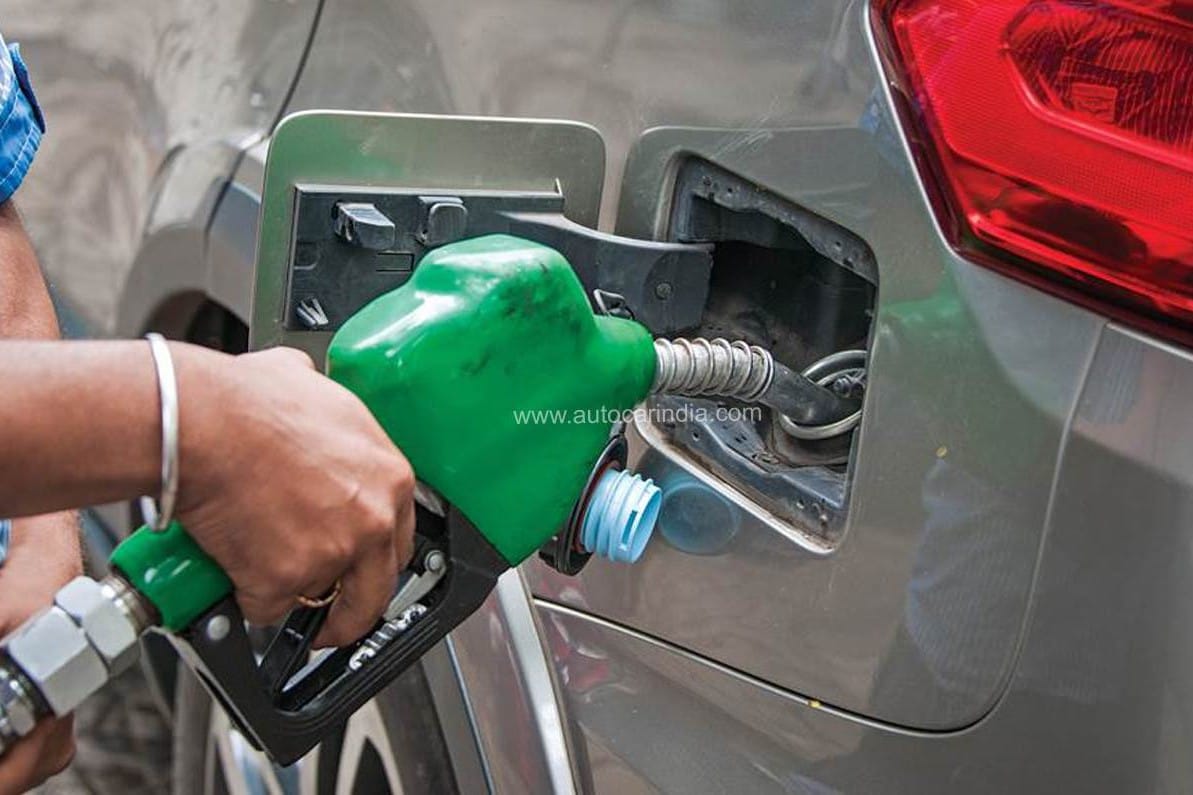
Not long after the mass rollout of E20 fuel in India, the government has reportedly tasked the Automotive Research Association of India (ARAI) with conducting a detailed study on the impact of E25 fuel on existing vehicles. As the name suggests, E25 is 25 percent ethanol-blended petrol, and it could become the next major target for India’s ethanol blending programme.
- Vehicles expected to be tested over 60,000-70,000km in E25 study
- Bureau of Indian Standards claims E21 fuel won’t pose major issues to existing vehicles
ARAI’s E25 study to assess effect on mileage, durability, emissions, and more
According to a report by The Times of India, the ARAI study will examine how E25 fuel impacts E10- and E20-certified vehicles’ fuel efficiency, engine health, long-term durability, emissions, and operating costs in real-world usage conditions. As part of the evaluation process, vehicles are expected to undergo testing over 60,000-70,000 km in order to properly assess long-term reliability and durability.
Authorities also want to determine whether existing vehicles not originally designed for higher ethanol concentrations can safely handle E25 fuel without major performance degradation or higher maintenance costs.
One percent increase in ethanol blending is safe, says BIS
At a recent meeting of an inter-ministerial group, the Bureau of Indian Standards (BIS) informed that increasing ethanol content in petrol by one percent beyond E20 (E21) would not create significant issues. However, BIS officials noted that moving directly to E25 is a much more substantial jump, deeming extensive testing necessary.
Given that the West Asia conflict has dragged on for nearly three months and petrol and diesel prices in India have been hiked twice so far, it comes as no surprise that the government is looking to accelerate efforts to reduce crude oil imports by increasing the usage of domestically-produced ethanol.
E85 and E100 already being mooted for flex-fuel vehicles
In late April, a draft notification with provisions for E85 and E100 was released – these are expected to be offered as separate fuels for upcoming flex-fuel vehicles in India. More recently, though, the government notified standards for baseline petrol blends beyond E20, specifically E22, E25, E27, and E30.
The push for higher blending levels is also being supported by increasing ethanol availability in India. Reports indicate that surplus ethanol production is now encouraging Indian policymakers to explore more aggressive blending targets. The inter-ministerial group formed two years ago to prepare a roadmap for higher ethanol blending is expected to submit its report next week.
