
Jaw pain is more likely to make most people think of a dental problem than a heart emergency. Nausea, meanwhile, may be blamed on something you ate. But when the two show up together, especially suddenly, doctors say they should not always be brushed off.
According to Dr Sushant Chhabra, Cluster Head, Emergency Medicine, Manipal Hospitals North-West Region, heart attacks do not always present with the dramatic, crushing chest pain many people expect.

“Sometimes the warning signs can be subtle, such as jaw pain, nausea, sweating, breathlessness, unusual fatigue, dizziness, acidity-like discomfort, or pain going to the shoulder, arm, neck, or back,” he tells indianexpress.com.
DISCLAIMER: This article is based on information from the public domain and/or the experts we spoke to. Always consult your health practitioner before starting any routine.
Why can a heart attack cause jaw pain?
 Jaw pain with nausea should be taken seriously, especially if sudden or accompanied by sweating, breathlessness, or chest discomfort (Image: Freepik)
It comes down to something called referred pain. Dr Chhabra explains that the heart and nearby areas such as the jaw, neck, shoulders, and arms share interconnected nerve pathways. So when blood flow to the heart is reduced, the brain may interpret those pain signals as coming from somewhere else.
That is why some people may feel discomfort in the jaw instead of classic chest pain. If that jaw pain appears alongside nausea, sweating, or breathlessness, doctors say it should be taken far more seriously than a routine dental or digestive complaint.
Interestingly, these atypical symptoms are often seen more commonly in women, older adults, and people with diabetes.
Story continues below this ad
When should jaw pain raise concern?
Not every aching jaw signals heart trouble. But sudden, unexplained jaw pain — especially when paired with nausea, sweating, breathlessness, dizziness, unusual fatigue, or chest heaviness — deserves attention.
“Persistent or unusual jaw pain without an obvious dental cause should not be ignored, particularly in individuals with heart disease risk factors,” says Dr Chhabra.
People above 40, smokers, those with diabetes, hypertension, high cholesterol, or a family history of heart disease should be especially cautious. While left-sided jaw pain is more often associated with heart-related causes, doctors say heart attack-related jaw pain can happen on either side — or even both.
Could it just be acidity or a dental issue?
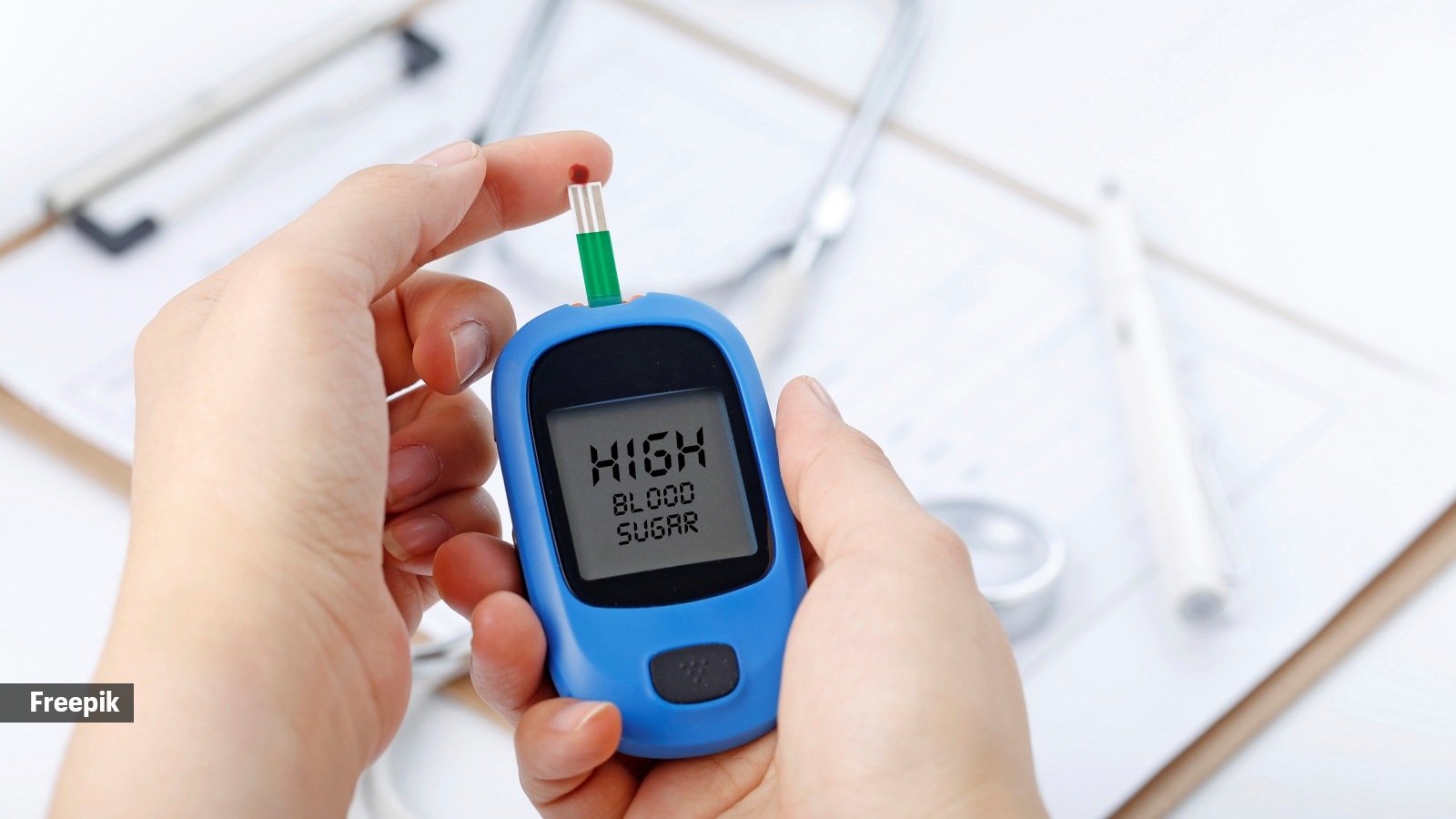 these symptoms are often more common in women, older adults and people with diabetes (Image: Freepik)
Sometimes, yes. Acidity typically causes burning, burping, or a sour taste, while dental pain may feel localised and linked to chewing, swelling, or a clear oral issue.
Story continues below this ad
Heart-related discomfort, however, may feel more like pressure, heaviness, tightness, or unexplained uneasiness — and often comes with symptoms like sweating, nausea, or breathlessness.
The challenge is that these symptoms can overlap, which is why self-diagnosing can be risky.
What should you do?
Dr Chhabra has a simple message: do not wait for severe chest pain to take action. “If jaw pain and nausea occur suddenly, especially with sweating, breathlessness, or chest discomfort, treat it as a possible heart emergency,” he says.
His advice: stop physical activity immediately, sit or lie down calmly, call an ambulance, and head to the emergency department without delay.
Story continues below this ad
Avoid driving yourself if symptoms feel severe. Because when it comes to a heart attack, the golden hour can make all the difference between recovery and lasting heart damage.
DISCLAIMER: This article is based on information from the public domain and/or the experts we spoke to. Always consult your health practitioner before starting any routine.
