
3 min readNew DelhiJun 28, 2026 09:26 AM IST
If you’ve searched for foods to avoid during pregnancy, papaya likely tops the list. From family advice to viral posts, many warnings claim it can cause miscarriage. But is that medically accurate?
Dr Isha Kriplani, Consultant (Obstetrics and Gynaecology), Paras Health, Gurugram, says the fear is largely misunderstood. “Eating ripe papaya in moderate quantities does not cause miscarriage,” she says.

The concern, she explains, mainly stems from unripe or semi-ripe papaya, which contains higher amounts of latex. “This latex has compounds like papain that, in very large quantities and in laboratory settings, have shown the potential to stimulate uterine contractions,” she adds.
However, she emphasises that these findings come from studies using concentrated extracts — not from consuming normal portions of the fruit. “Consuming normal dietary amounts of ripe papaya as part of a balanced diet is not associated with miscarriage in healthy pregnancies.”
DISCLAIMER: This article is based on information from the public domain and/or the experts we spoke to. Always consult your health practitioner before starting any routine.
Ripe vs raw papaya
According to Dr Kriplani, the type of papaya matters significantly. “Raw or unripe papaya has a large amount of latex. Theoretically, eating too much raw papaya can lead to uterine contractions, especially during the early stages of pregnancy,” she says.
Ripe papaya, however, contains only a small amount of latex and is considered safe in moderation. In fact, it offers nutritional benefits. “Ripe papaya is also a good source of vitamins A and C, fibres, and antioxidants, which can aid in digestion and immunity during pregnancy,” the gynaecologist notes.
Story continues below this ad
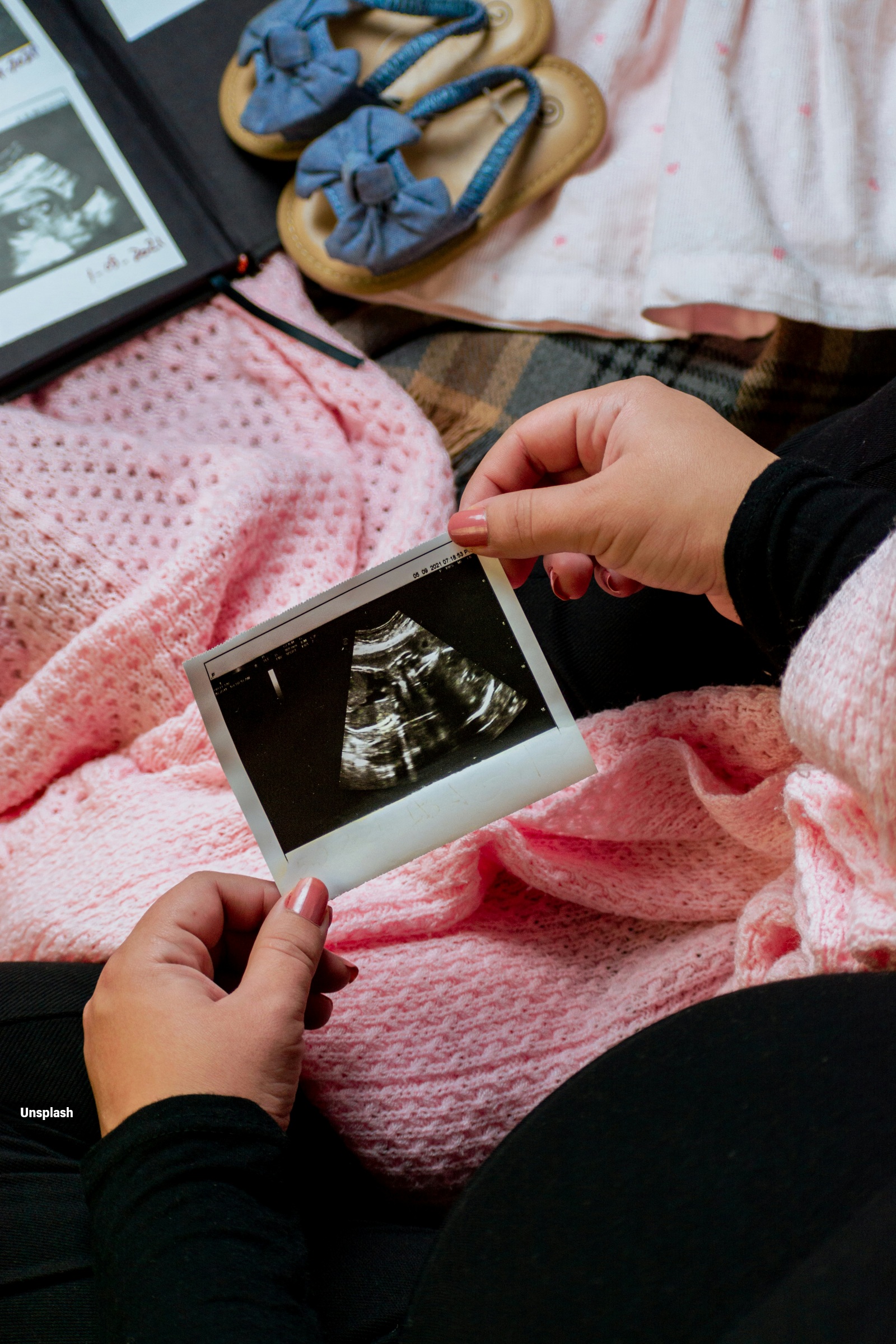 “Miscarriage is generally associated with chromosomal abnormalities, hormonal problems, infections, or pre-existing maternal medical conditions and not with the consumption of ripe papaya”: Dr Kriplani (Image: Unsplash)
Is there scientific evidence?
Dr Kriplani says there is “no concrete scientific evidence available that links the consumption of papaya to miscarriage in humans”. The concern is “mostly based on animal studies or lab research done on concentrated extracts of unripe papaya latex, not on the actual consumption of papaya.”
She points out that miscarriage is generally associated with chromosomal abnormalities, hormonal problems, infections, or pre-existing maternal medical conditions — not with eating ripe papaya. “Thus, this is mostly a myth for most women.”
Why is papaya still on ‘avoid’ lists?
Dr Kriplani points out that papaya is often included in ‘avoid’ lists “out of precaution, especially in traditional guidance”. “The caution is mainly directed at raw or unripe papaya due to its latex content,” she adds.
She notes that many such recommendations are based more on theoretical risks and cultural beliefs than on strong clinical evidence. The key, she stresses, is moderation and ensuring the fruit is fully ripe.
Story continues below this ad
For women with high-risk pregnancies or a history of recurrent miscarriage, dietary decisions should always be discussed individually with a healthcare provider.
DISCLAIMER: This article is based on information from the public domain and/or the experts we spoke to. Always consult your health practitioner before starting any routine.
