
Xiaomi’s Redmi Turbo series has finally made its debut in India after years of being locked up in China. Xiaomi has never launched a Turbo-branded device in the past solely because these devices have always made their way to India under its Poco sub-brand. And as things would have it, Poco already launched its X8 Pro in India back in March. Both phones are identical in core hardware, appearance, and dimensions, but Xiaomi’s Redmi Turbo 5 has a larger battery. Can this higher battery capacity justify the Turbo 5’s higher price tag? And are there better options that offer a more holistic premium smartphone experience for around Rs. 37,999?
Redmi Turbo 5 Design: Minimalist and durable
- Dimensions – 157.53 x 75.19 x 8.18mm
- Weight – 204g
- Durability – IP68 + IP69K
The Redmi Turbo 5 appears identical to the Poco X8 Pro launched a few months ago. You can place both devices side by side, and it’s hard to tell one from the other (despite their minor weight differences) if one tapes over their brand logos.
Similarities aside, its design definitely feels premium thanks to its metal frame and glass structure, which is a far cry from the older polycarbonate designs that felt a bit budget. The new design has well-rounded corners, and the edges of the metal frame have been smoothened to perfection. It meets the front and rear glass panels seamlessly.
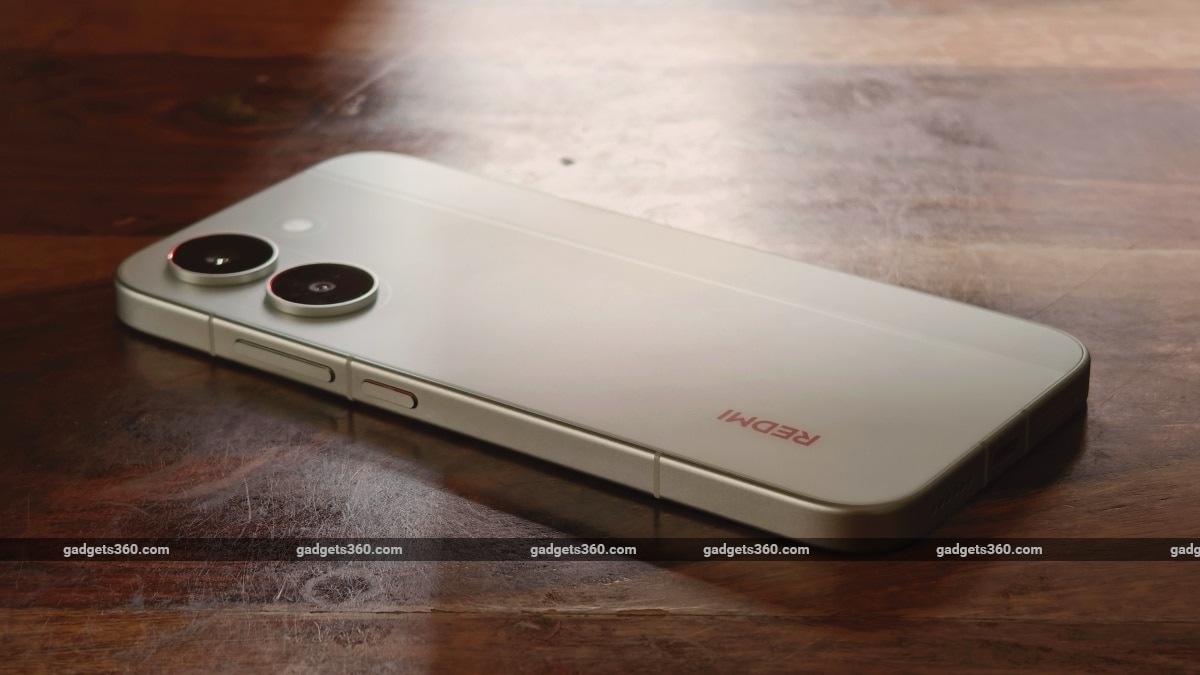
The Redmi Turbo 5 has fine red accents on its camera rings and power button
There is a cool-looking red accent on the inner side of the camera rings and along the bevelled edge of the power/unlock button. These accents pair with the red ‘Redmi’ logo on the rear panel, which has a soft matte finish with fine silver-patterned stripes running along the right side. Indeed, this is Xiaomi attempting to reach out to young mobile gamers, but overall I’d call the Turbo White finish minimalist and mature.
Xiaomi’s use of metal and glass also means this phone is IP69K-rated, which means it will survive a dip in fresh water. However, we recommend doing this only if the situation calls for it, as any damage caused by submersion in water will not be covered under warranty.
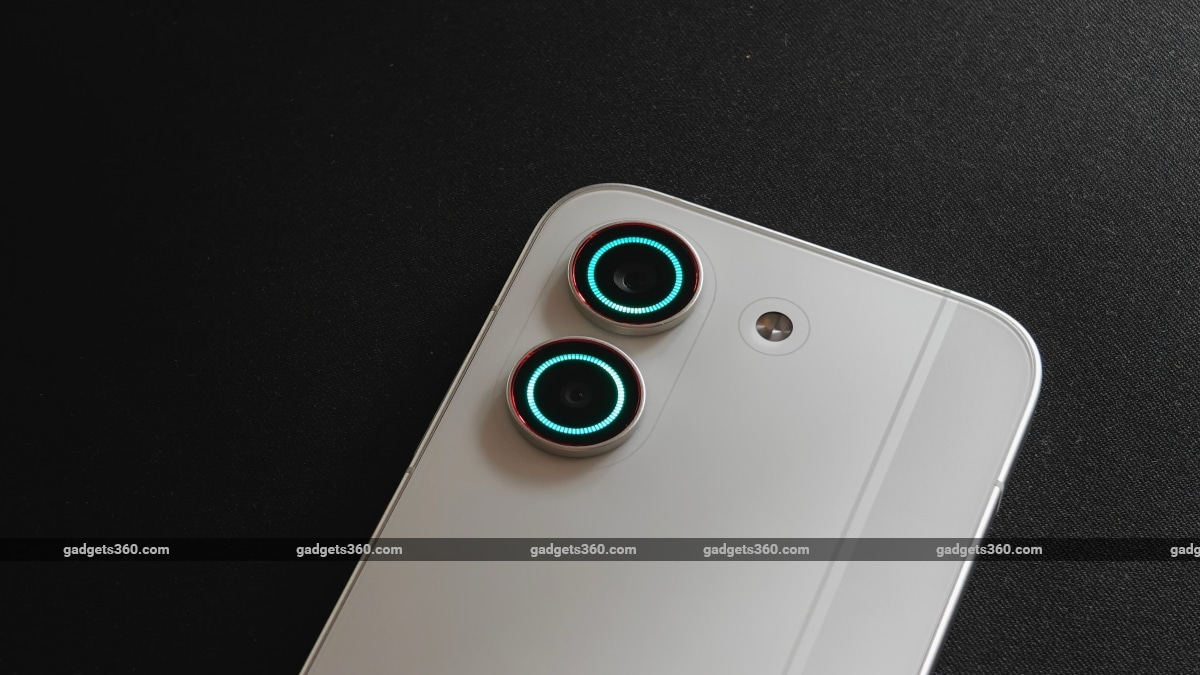
The ‘Redmi Pixel Matrix’ lighting system is handy but not very practical
There’s a new ‘Redmi Pixel Matrix’ lighting system inside the two camera rings on the back. You can turn on this lighting system by heading to Settings > Additional settings > Backlight effects, where you will find a bunch of options to play with. The Pixel Matrix lighting system is weirdly turned off by default, but you can set it to keep flashing when you are using the phone or only when the screen is face down.
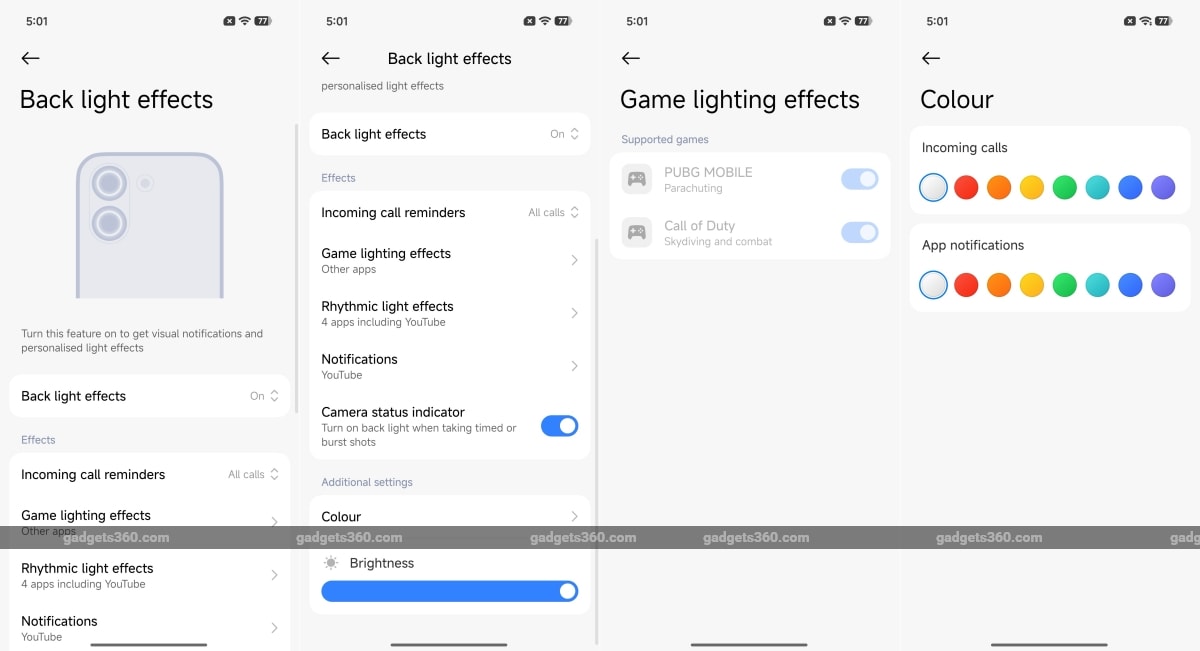
The menu for the ‘Redmi Pixel Matrix’ lighting system is buried deep inside the Settings app and offers some customisation
The lighting effects can be set to come alive for notifications, as game lighting effects (only works with PUBG and CODM) or even when using the camera. There are 8 colours to pick from, but the sad part is that you cannot assign a colour to a particular app of your liking (e.g., green from WhatsApp notifications). This means you can assign one colour to incoming calls and a second colour to all notifications, which is a missed opportunity. All in all, while the feature does fit the phone’s gamer-centric theme, it’s neither practical nor customisable for keeping track of notifications.
Redmi Turbo 5 Display: Shining bright
- Display size – 6.59-inch, 1,268 x 2,756 pixels, 1.5K,
- Display type – 120Hz, 12-bit AMOLED, 60-120Hz
- Display protection – Gorilla Glass 7i
The Redmi Turbo 5’s display is identical to the one in the Poco X8 Pro. The flat display gets bright enough to tackle the bright outdoors. Colours appear quite natural at the default ‘Original colour PRO’ setting. There is a Vivid screen colour mode, but it’s not very different compared to the standard colour mode.
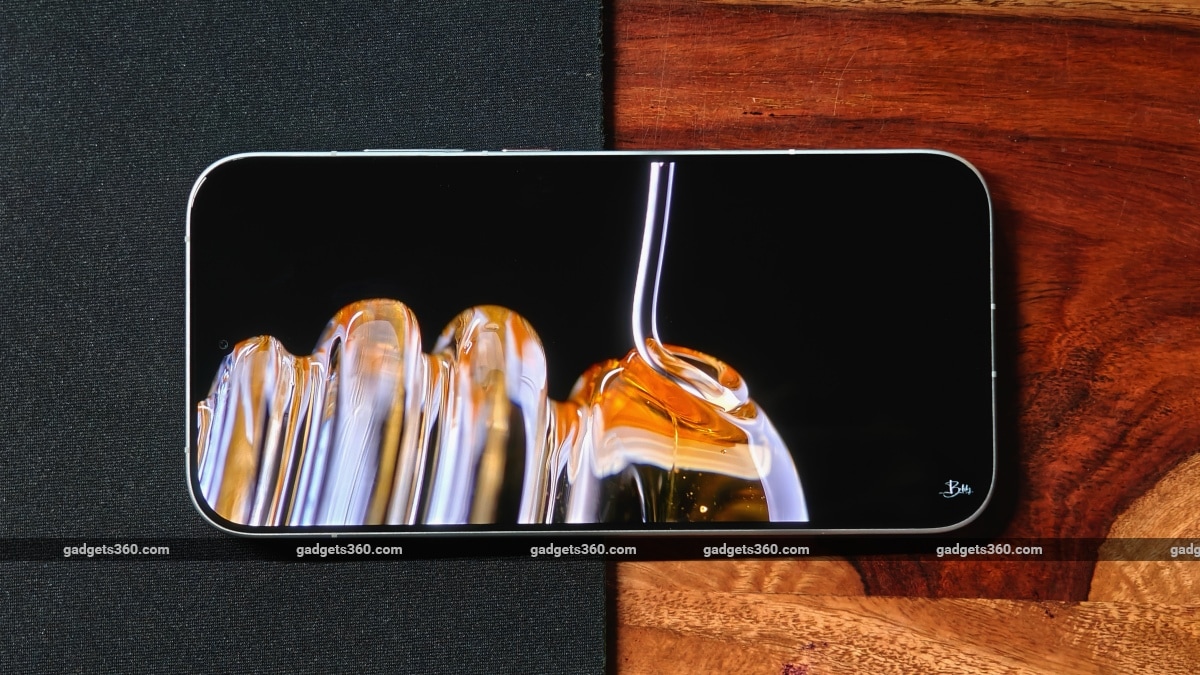
The Redmi Turbo 5 has a vibrant Dolby Vision-certified AMOLED panel
The display’s refresh rate is adaptive but only switches between 60 and 120Hz depending on the application. You can get it to refresh at 120Hz when playing games. There’s Widevine L1 support for Full HD video playback in OTT apps. This display also supports HDR10 (HEVC), Dolby Vision, and HDR10+ (AV1). Supported content looked bright and contrasted as expected. As a gamer-centric device, the speakers complete the entertainment package by delivering rich, loud sound.
Redmi Turbo 5 Software: Smooth and fluid
- Android version – 16
- Software – HyperOS 3.0
- Software commitment – 4 years OS + 6 years SMRs
Xiaomi’s HyperOS feels smooth and fluid when multitasking, running my favourite apps and even while playing games. Xiaomi has done a great job optimising its software for the MediaTek chipset, and it’s hard to tell you are interacting with a basic non-LTPO panel when using it.
There are tons of personalisation options from the font to the homescreen to the lockscreen themes. There’s also a massive theme store loaded with fancy free fonts, wallpapers and widgets that can keep customisers busy for months. Also thrown in are a bunch of AI tools powered by Xiaomi’s Hyper AI model, which is good at generating AI wallpapers and translations but not so great at image editing. Google’s default Gemini model is also available through its bouquet of apps.
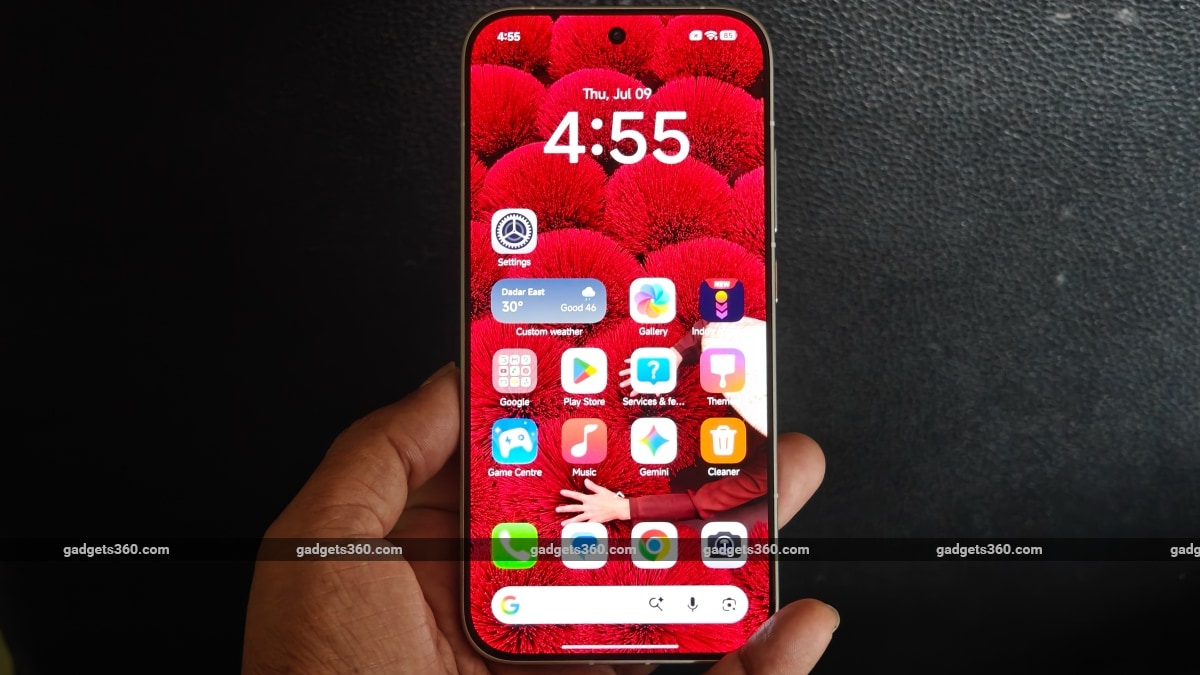
HyperOS runs smoothly and is quite customisable but is loaded with bloatware
What isn’t fun about HyperOS is the number of preinstalled third-party apps and games. There are 12 casual games and 9 third-party apps that fill up the homescreen or app drawer upon first boot, and it can all feel a bit overwhelming at first. Thankfully, most of these can be uninstalled if not required. The Indus App Store, which cannot be uninstalled, will also send notifications for app updates even though you have never launched or opened the app. But you can save yourself from these daily notifications by turning them off in Settings. Lastly, I noticed a full-screen advertisement pop up once while browsing the File Manager app.
Redmi Turbo 5 Performance: Gaming-grade hardware
- Processor – Mediatek Dimensity 8500 Ultra, 3.4GHz (4nm)
- RAM – 8/12GB (LPDDR5X)
- Storage – 128/256GB (UFS 4.1)
The MediaTek Dimensity 8500 Ultra processor is indeed built for gaming with its “all big core” architecture. It’s paired with fast LPDDR5X RAM, and Xiaomi also slapped on a large vapour-chamber cooling system to help maintain sustained performance. The chipset is also found on the premium Xiaomi 17T, which is priced from Rs. 59,999 in India. Indeed, the Turbo 5 performs as expected in our standard benchmark tests. Motorola’s Edge 70 Pro, with its customised Dimensity 8500 Extreme processor, performs better on the same benchmarks. However, its thermal management (despite having a vapour chamber cooling system) is not the best, as it did get quite hot in our review.
| Benchmarks | Redmi Turbo 5 | Motorola Edge 70 Pro | Realme 16 Pro |
|---|---|---|---|
| Display resolution | 1.5K | 1.5K | FHD |
| Chipset | MediaTek Dimensity 8500 Ultra (4nm) | MediaTek Dimensity 8500 Extreme (4nm) | MediaTek Dimensity 7300 Max |
| AnTuTu v10 | 20,85,042 | 21,98,686 | 10,87,422 |
| PCMark Work 3.0 | 15,947 | 15,953 | 15,226 |
| Geekbench 6 Single | 1,538 | 1,731 | 1,001 |
| Geekbench 6 Multi | 6,576 | 6,837 | 2,946 |
| Geekbench AI CPU (Quantized) | 1,451 | 3,197 | 2,009 |
| Geekbench AI GPU (Quantized) | 1,244 | 1,173 | 577 |
| 3DM Wild Life | Maxed Out | Maxed Out | 3,176 |
| 3DM Wild Life Unlimited | 14,688 | 14,119 | 3,167 |
| 3DM Steel Nomad Light | 1,523 | 1,483 | FTR |
When it comes to gaming, the Turbo 5 can handle Call of Duty: Mobile (CODM) at ‘Medium’ graphics and ‘Ultra’ fps, reaching 120 fps during gameplay. Touch sampling rate was also on point and accurate for fast-paced FPS titles. Switching to something more graphically heavy, Genshin Impact worked smoothly at the default ‘Medium’ graphics settings with the frame rate capped at 60 fps. The phone could run smoothly, maintaining a steady 59-63 fps at all times even after enabling HDR visuals in the Game Booster slide-out console. It performed well with a steady 60 fps even when set to ‘High’ graphics quality.
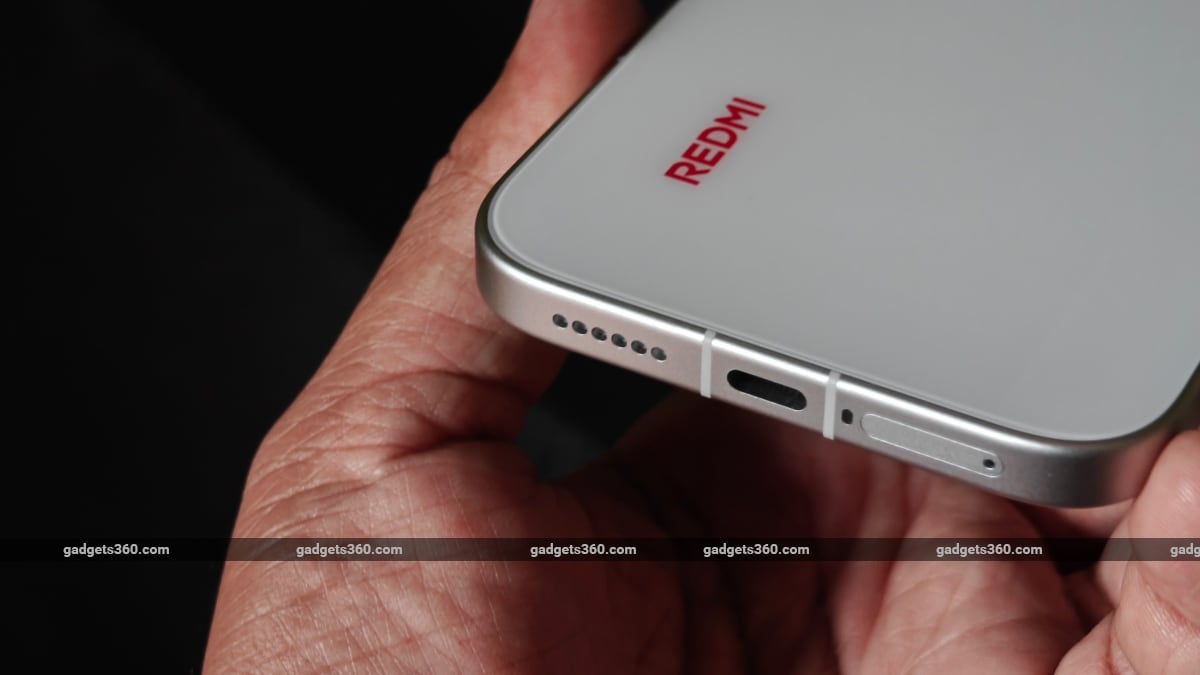
The Redmi Turbo 5’s speakers sound rich and are sufficiently loud
And since I came this far, I decided to try out the ‘Highest’ graphics, which is usually reserved for high-end flagships. I was able to do some basic exploration at the 60 fps setting, but there were minor drops in frame rates depending on the environment, and it wasn’t the smoothest experience. The phone also ran a bit hot in this mode even though the frame rate indicator remained between 55-59 fps. All in all, the Redmi Turbo 5 offers more than enough sustained gaming performance for most gamers unless you want to crank things up to the highest possible settings, for which you will have to pay up.
During testing, the only time the Turbo 5 got uncomfortably hot was when using the camera app (day or night). But I wasn’t greeted with any notifications about limiting performance.
Redmi Turbo 5 Cameras: Gets the job done
- Primary camera – 50-megapixel, f/1.5, PDAF, OIS (Sony IMX882)
- Ultrawide camera – 8-megapixel, f/2.2, FF
- Selfie camera – 20-megapixel, f/2.2, FF
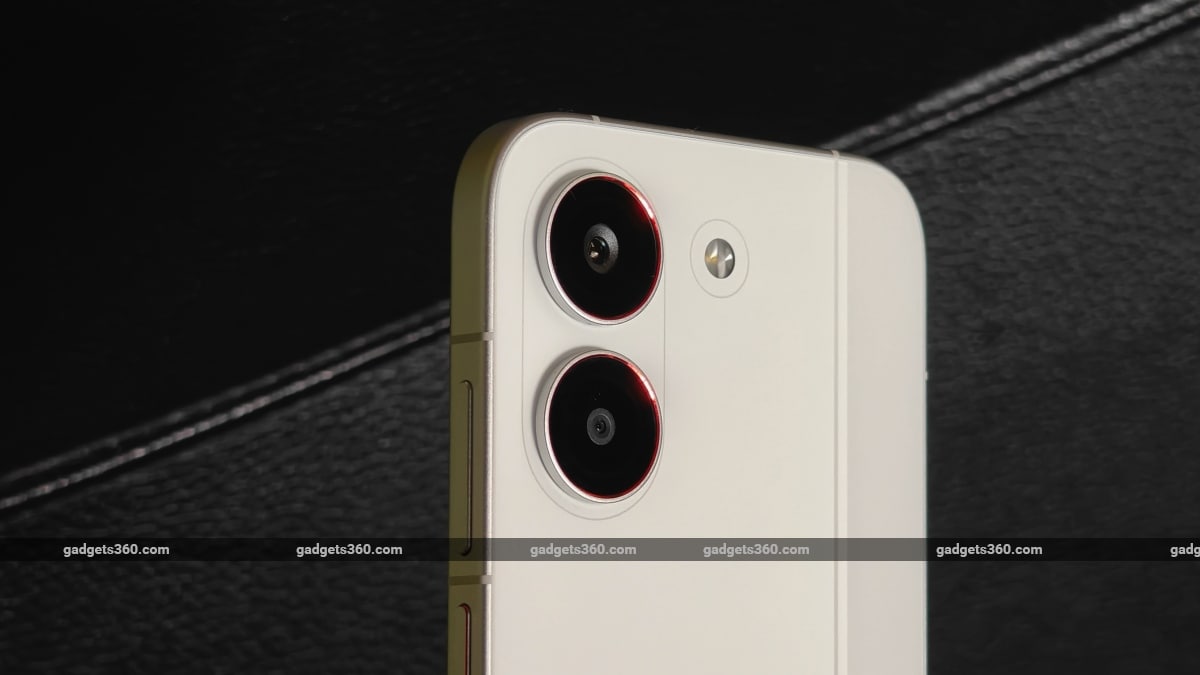
The rear cameras remain the same as with the Poco X7 Pro
Not much has changed in terms of hardware over the Poco X7 Pro or the previous model (which never made it to India). But we now have higher expectations for the Redmi Turbo 5 given its premium price tag.
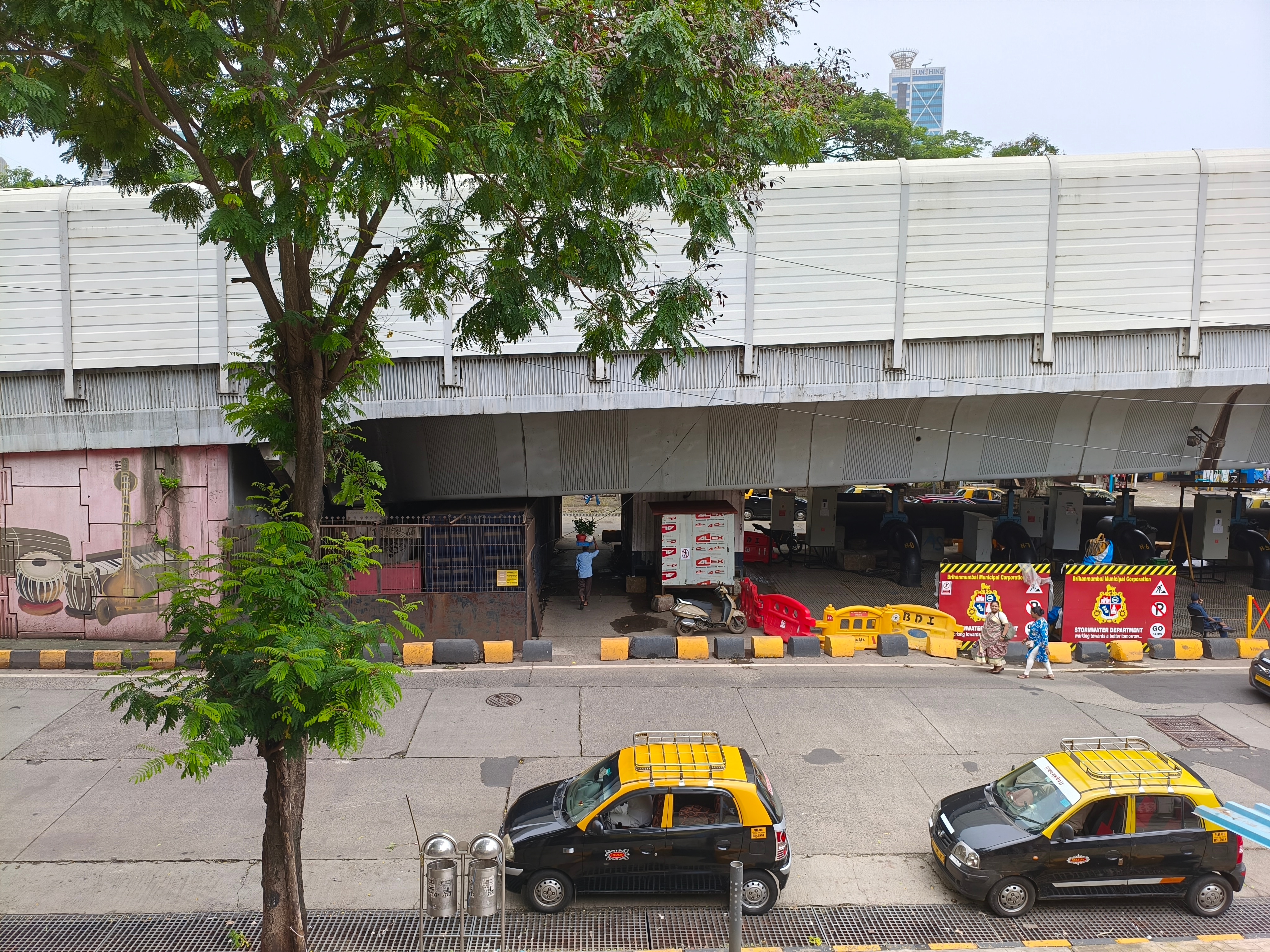

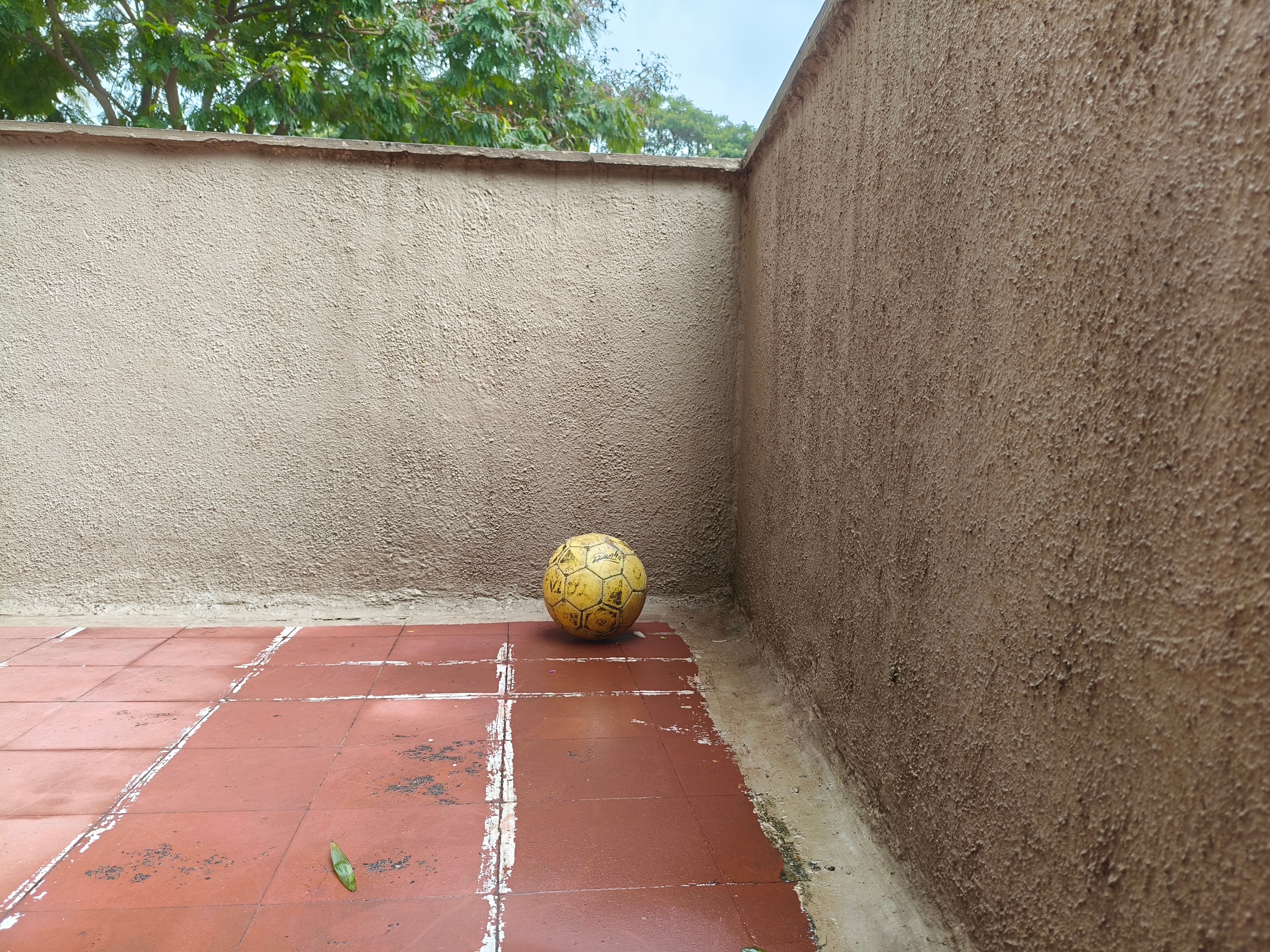
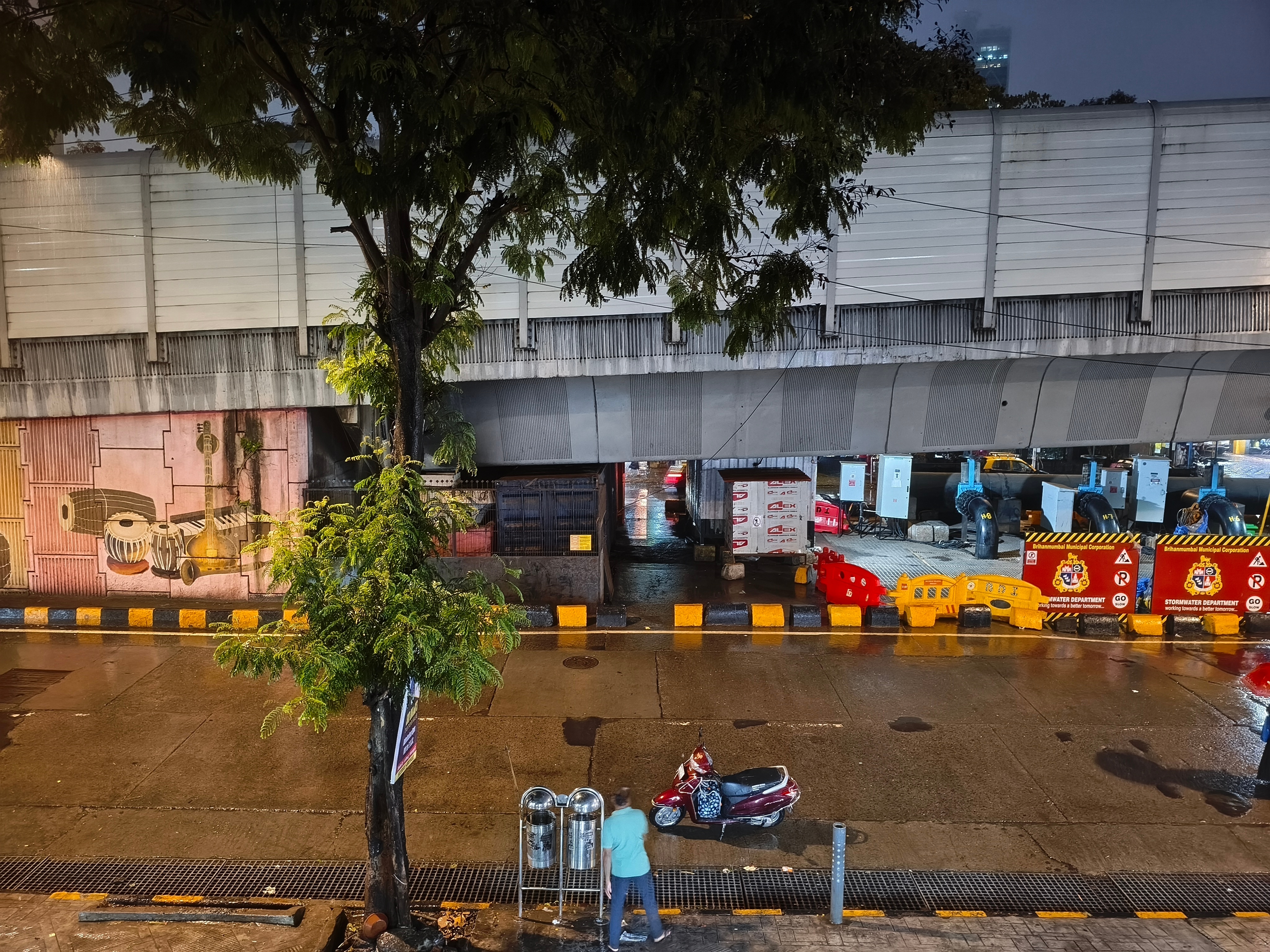
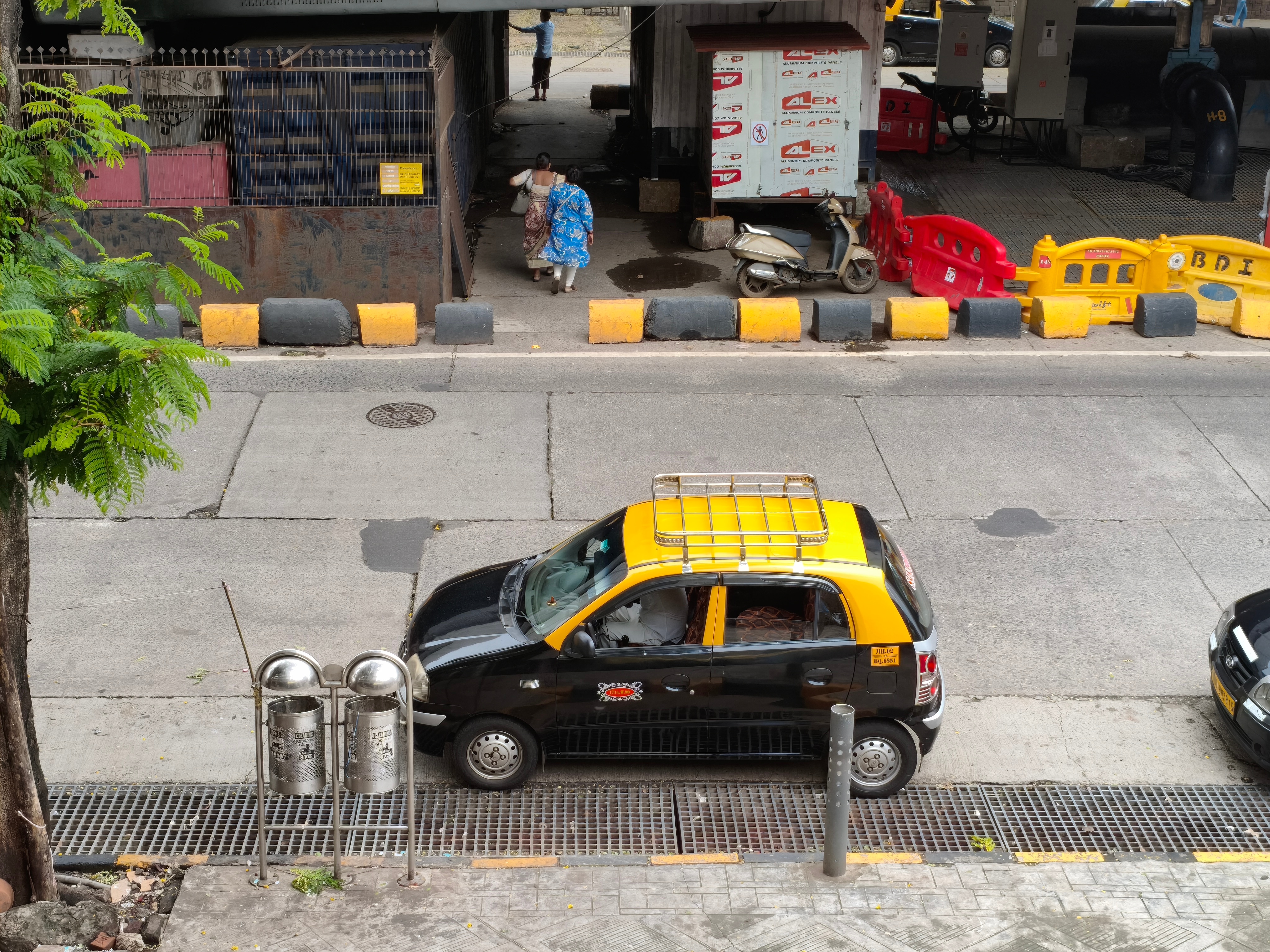
Redmi Turbo 5 primary camera samples (tap images to expand)
The primary camera sure does just fine in daylight at its native focal length. Photos have a decent level of detail, showing slightly vibrant colours. Dynamic range is fine as well, with plenty of detail visible in the darker and brighter areas of an image. There is minor oversharpening present in all images, and this creates problems when you capture images beyond the native focal length, like when capturing Portrait photos at the 1.3x preset. In low light, photos look just fine overall, but textures look soft when you crop or pixel-peep.
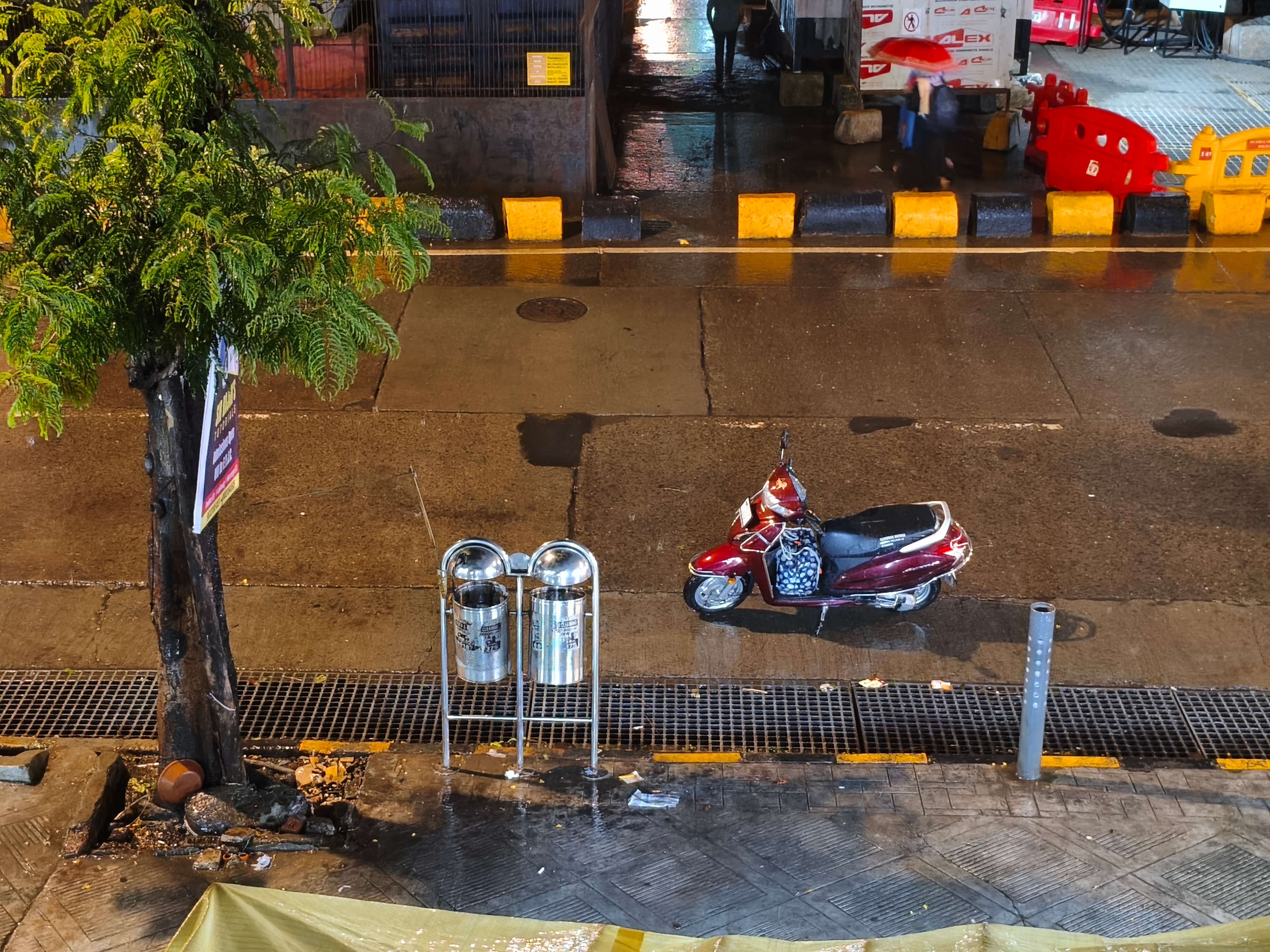
Redmi Turbo 5 2X digital zoom primary camera samples (tap images to expand)
Photos captured using the 2X zoom preset in daylight are usable provided you don’t pixel-peep or crop them further; these images do appear soft and lack enough detail in low-light or street-lit settings. Oddly, the camera also tends to show clipped highlights, and I’ve noticed that this mainly happens at 2X zoom and not at 1X.
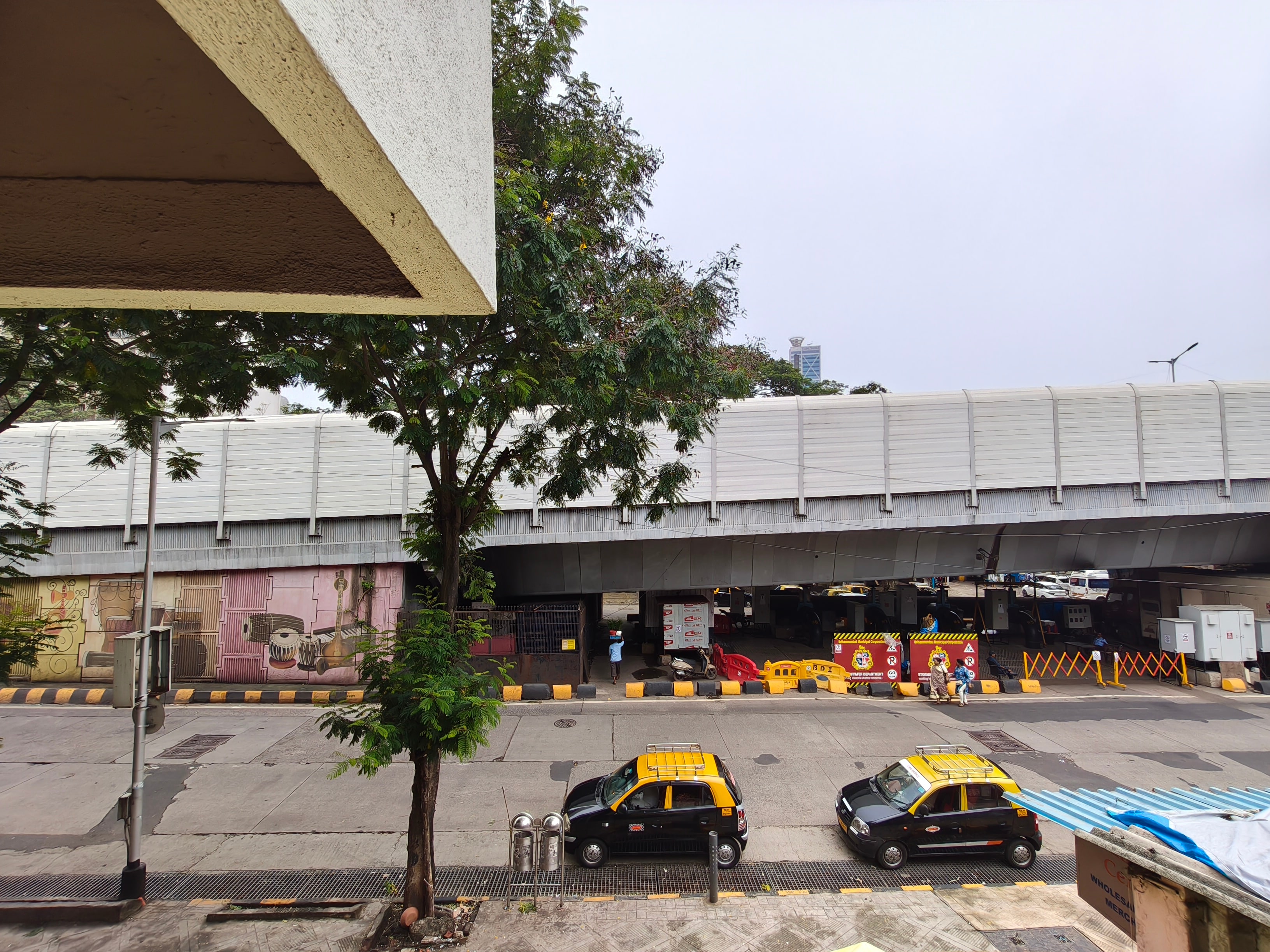
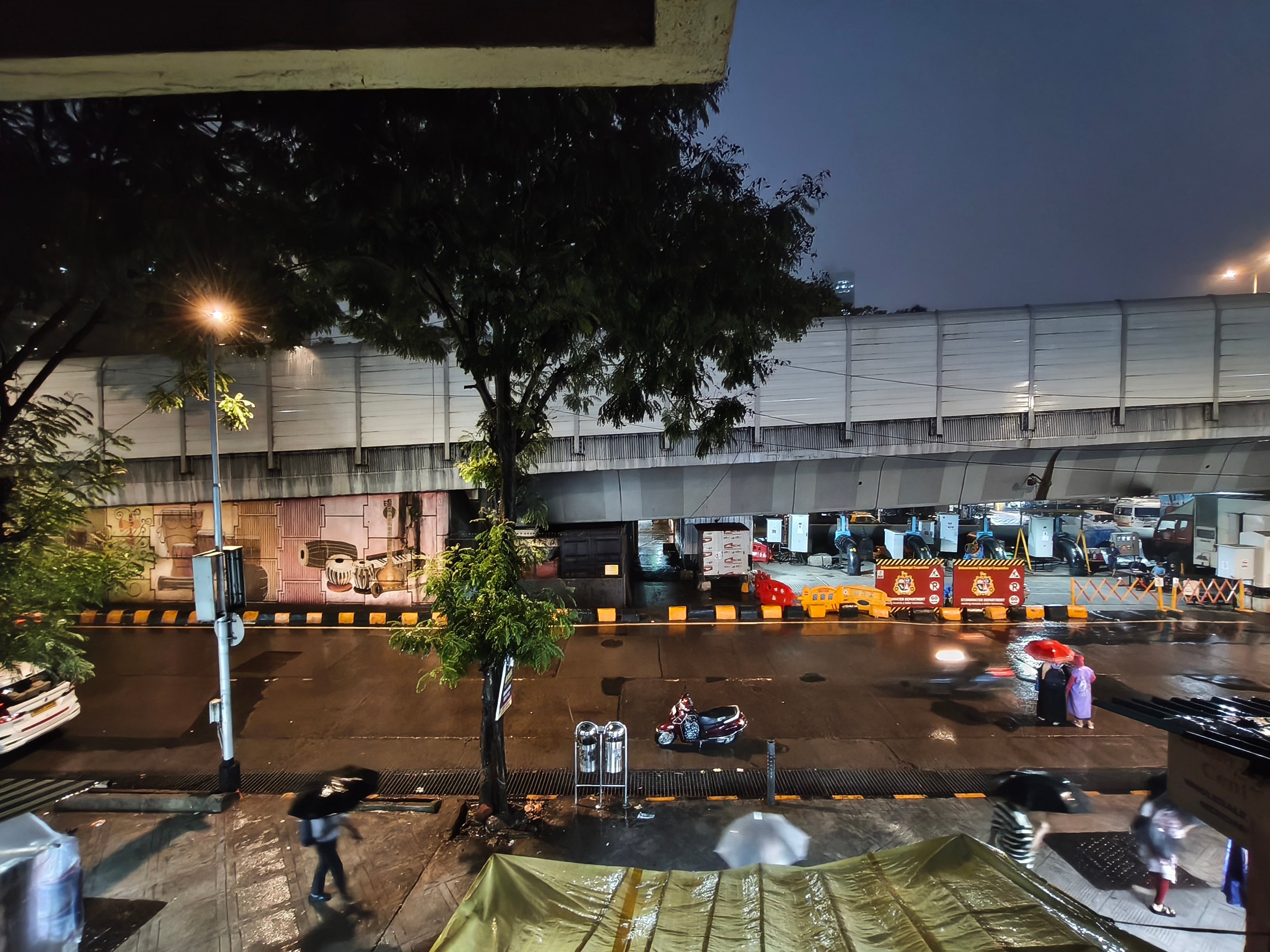
Redmi Turbo 5 ultrawide camera samples (tap images to expand)
The ultrawide camera captures decent photos, but they lack sharpness and appear a bit soft compared to the captures from the primary camera due to its lower-resolution sensor. The photos appear a bit contrasted, while their colour tone and white balance also appear quite different (or warmer) compared to the primary camera. Low-light photos from this camera are quite soft and lack sufficient detail.

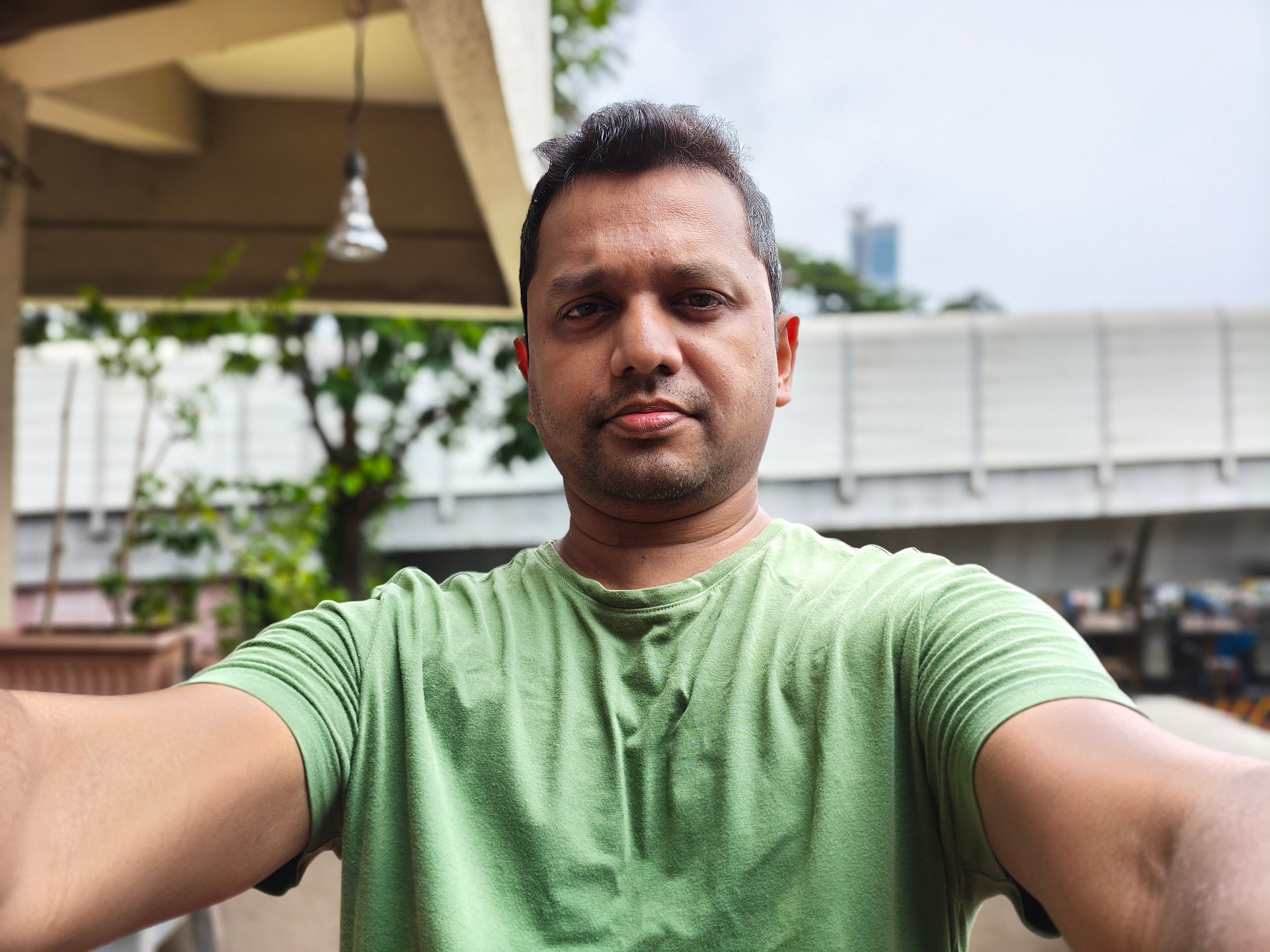
Redmi Turbo 5 selfie camera sample (tap image to expand)
Selfies are a bit soft and lack sufficient detail. The camera cannot handle exposures well in brightly lit or backlit environments.
Videos captured at 1080p and 4k at 30 fps appear a bit soft, with some blur when panning. 4K, 60 fps video recordings look better, with more detail and sharpness. 4K, 30 fps footage looks fine in low-light, but there is some jitter and shake present when walking and blur when panning. 4K, 60 fps footage has visible noise in low-light but appears better stabilised.
Redmi Turbo 5 Battery: Good, but not the best
- Battery capacity – 7,540mAh, Si-C, Li-ion
- Wired charging – 100W
- Charger in the box – Yes
The Redmi Turbo 5’s massive battery capacity did well in our testing. The high-capacity battery with silicon-carbon technology lasted a decent 17 hours and 23 minutes in PC Mark’s Battery Life test. For comparison, the OnePlus Nord CE 6, with a slightly larger 8,000mAh battery, lasted a solid 25 hours and 19 minutes in the same test. Synthetic benchmarks aside, the phone easily lasted a little over a day with casual use (no gaming) and lasted a full day of heavy use. However, if you play a lot of games at the highest settings, you may have to charge it before the day ends. The bundled charger charges the Turbo 5 to 55 percent in 30 minutes and completes the charging process in exactly one hour, which is pretty fast.
Redmi Turbo 5 Verdict
Xiaomi’s Redmi Turbo 5 is an interesting proposition if you are looking for a durable gaming smartphone at premium pricing. Oddly, the Poco X8 Pro already sells at a slightly lower price (Rs. 34,999). If gaming is a priority, the X8 Pro should be your first pick, unless you need that bigger battery, or your budget can accommodate the Turbo 5’s price tag. That said, the Turbo 5’s cameras aren’t terrible; it’s just that you are limited to just one rear camera, as the second one isn’t great. We would have preferred better-performing cameras given its premium price tag.
If you are looking for a similarly priced device, Motorola’s Edge 70 Pro is also an attractive option, but it gets hot, and its camera performance isn’t great either. OnePlus’s Nord CE 6 is a better choice if you want a no-frills mid-ranger with great battery life. From the 2025 lot, you will find better value than the above options (save for battery life) with the Motorola Edge 60 Pro, which offers a slim design, wireless charging and a 3X telephoto camera. And it’s priced much lower, from Rs. 29,999 (online) for the 8+256GB variant, while stocks last.
