
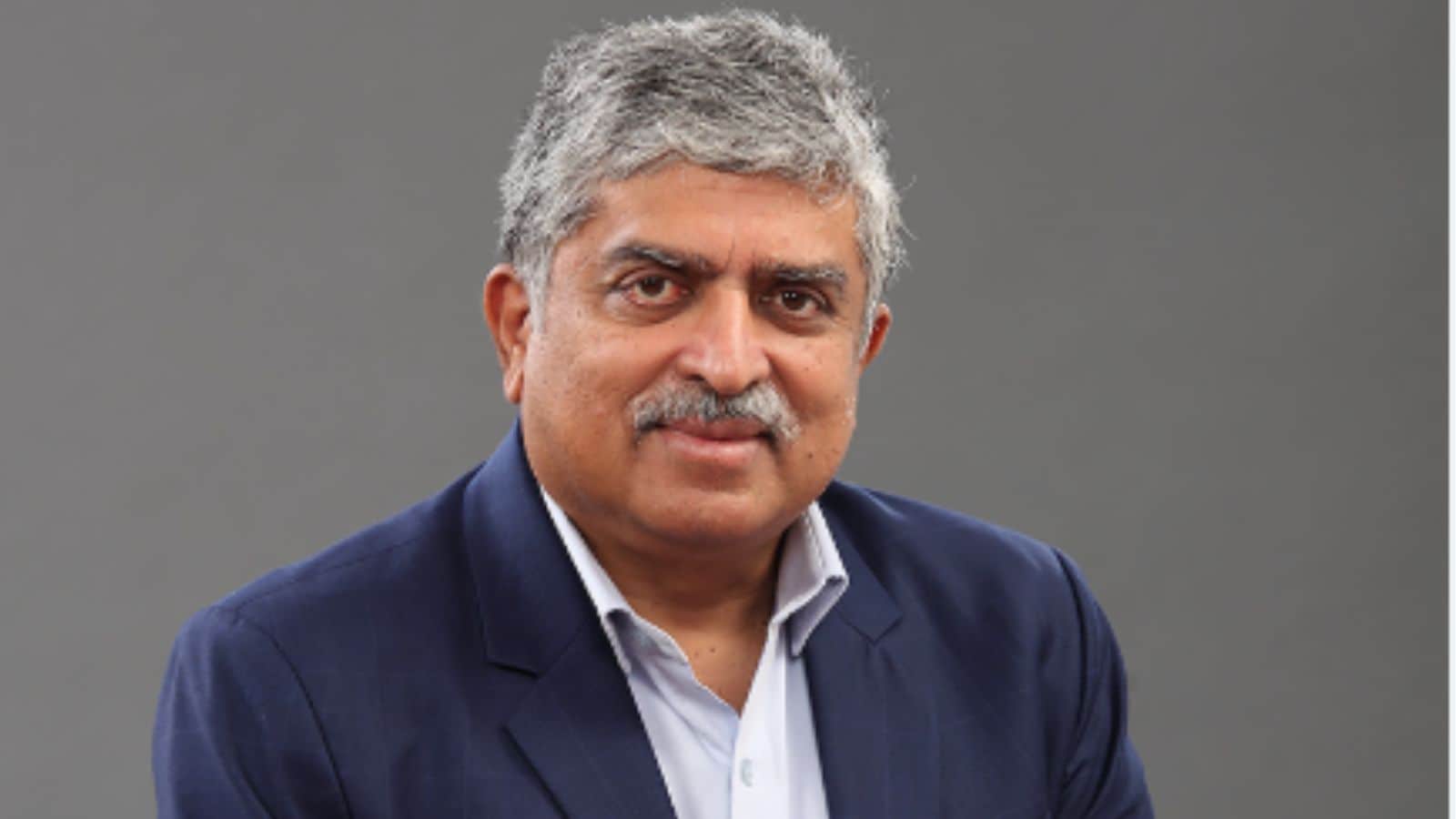
The Centre has appointed Infosys Chairman Nandan Nilekani to head the newly constituted High-Powered Task Force on National Testing Agency (NTA) reforms, entrusting one of India’s most respected technology leaders with the responsibility of recommending structural and technological changes to strengthen the country’s examination system.
Born in Bengaluru on June 2, 1955, Nilekani completed his schooling at Bishop Cotton Boys’ School before pursuing a Bachelor’s degree in Electrical Engineering from the Indian Institute of Technology (IIT) Bombay, graduating in 1978. Soon after, he joined Patni Computer Systems, where he met Narayana Murthy. The duo later went on to establish Infosys.
Nilekani served as the Chief Executive Officer and Managing Director of Infosys from 2002 to 2007 and later became Co-Chairman of the board. In 2017, he returned as Chairman after a brief hiatus and has since played a key role in steering the company’s strategic direction.
Apart from his corporate achievements, Nilekani has also made significant contributions to public policy and digital governance. In 2009, he was appointed the founding Chairman of the Unique Identification Authority of India (UIDAI), where he spearheaded the rollout of Aadhaar, the world’s largest biometric identity programme. Under his leadership, Aadhaar became the backbone of India’s digital identity ecosystem, enabling the delivery of government services to millions of citizens.
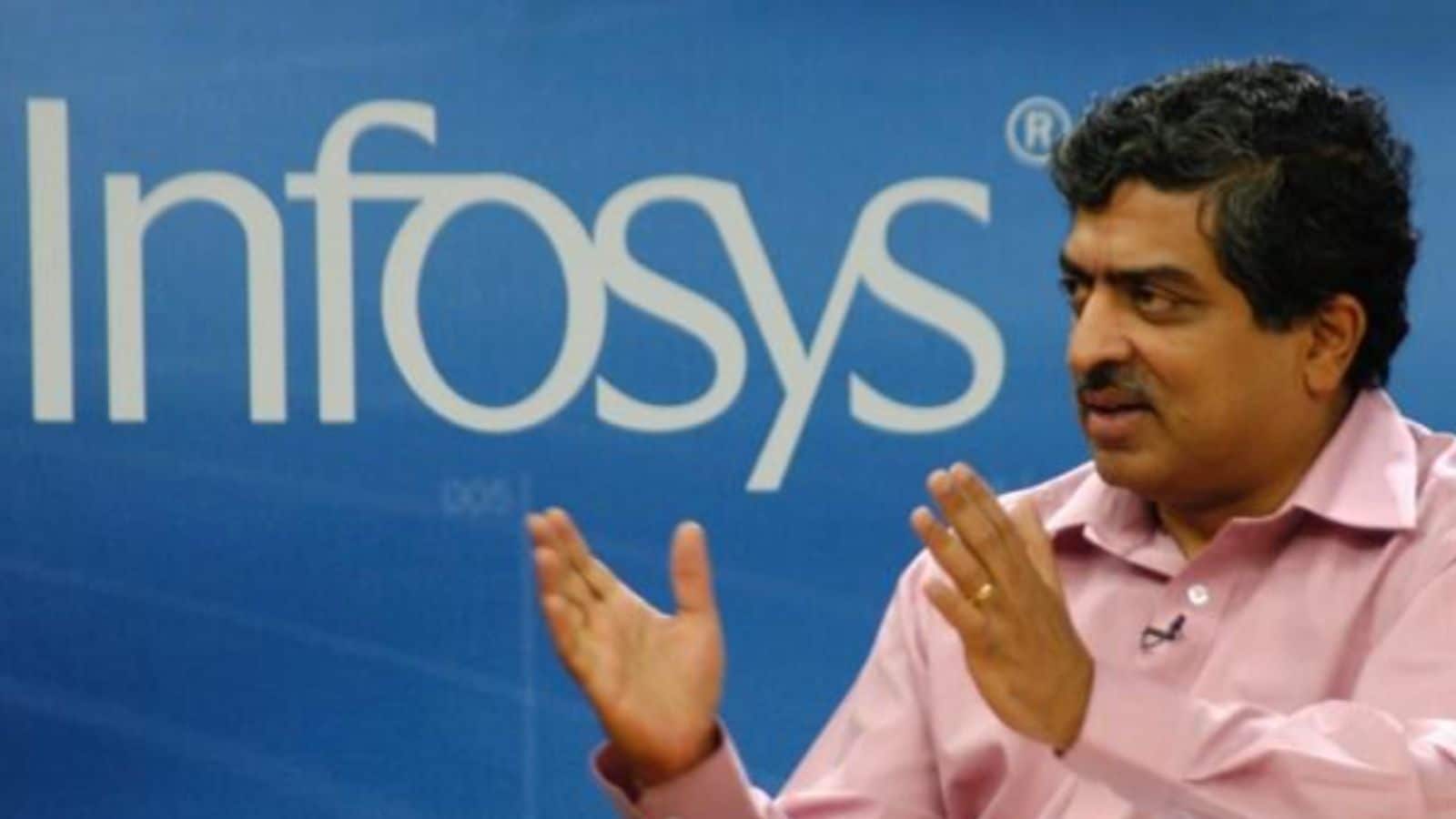
His work in technology and governance has earned him several accolades, including the Padma Bhushan, India’s third-highest civilian award, in 2006. He has also authored books, including Imagining India and Rebooting India, which focus on governance, technology and India’s development.
The high-powered task force headed by Nilekani has been constituted in the wake of concerns over examination integrity, particularly following the alleged NEET-UG 2026 paper leak.
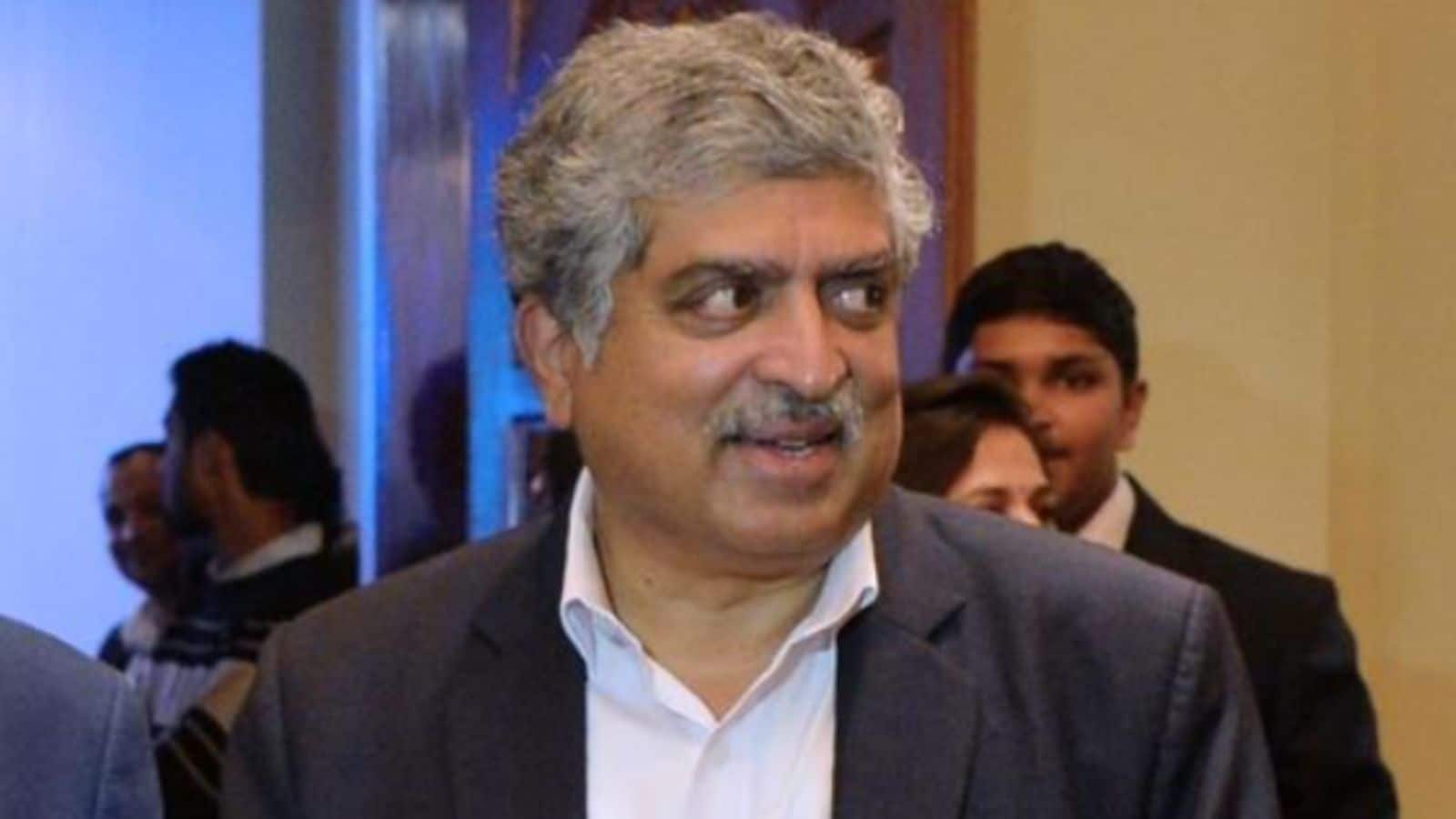
The panel has been tasked with recommending reforms to improve the NTA’s governance structure, strengthen cybersecurity, enhance the use of technology in examinations and restore public confidence in the country’s competitive examination system.
