
4 min readNew DelhiJul 30, 2026 05:58 PM IST
For many people, earplugs are a simple way to block out snoring, traffic noise or other disturbances that affect sleep. But if you use them every night, is it possible to have any long-term effects? After all, you are keeping something inside your ear canal for several hours.
One such curious internet user took to online forum Quora asking ‘Are there any medical consequences from sleeping with earplugs?’

According to Dr Jyotirmay S Hegde, HOD & Lead Consultant ENT, Aster Whitefield Hospital, sleeping with earplugs is generally safe for healthy individuals when “used appropriately, cleaned thoroughly, and well-fitted.”
In fact, for those dealing with snoring, traffic noise or shift work, this little hack could help ensure uninterrupted sleep. However, choosing the right size and fit is important, as per Dr Hedge, along with not pushing them too deep into the ear canal.
DISCLAIMER: This article is based on information from the public domain and/or the experts we spoke to. Always consult your health practitioner before starting any routine.
Can you sleep with earplugs every night?
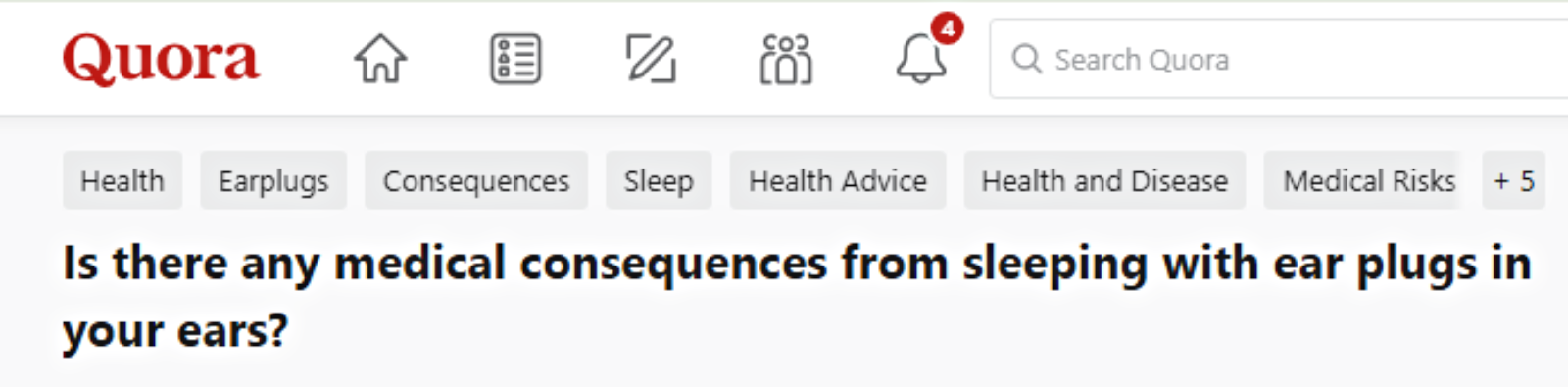 Screenshot of the query posted on Quora
Regular users need to be extra careful and monitor for discomfort and maintain good ear hygiene. “Daily users must take care that they maintain good ear hygiene and watch out for any symptoms or signs of discomfort,” says Dr Hegde.
One of the main concerns with frequent earplugs use, as Dr Hedge reveals, is earwax buildup. While earwax naturally moves out of the ear canal, regular earplug use may interfere with this process.
Story continues below this ad
Moreover, if used incorrectly or without maintaining hygiene, earplugs push wax deeper into the ear canal or prevent its natural removal. This leads to blockage, muffled hearing or a feeling of fullness in the ear.
“When the ear plugs get dirty or contaminated through reuse, there is a chance that they will bring bacteria or fungi to the ear canal, which increases the chances of otitis externa,” Dr Hegde further adds.
“Improper insertion, long-term use, or continued use of dirty earplugs may result in small abrasions, pressure ulcers, irritation, or even inflammation of the ear canal,” says Dr Hegde.
He advises users to insert earplugs gently according to the manufacturer’s instructions and remove them carefully.
Story continues below this ad
“Painful insertion means that the earplugs are too big or inserted improperly,” he adds.
Who should avoid sleeping with earplugs?
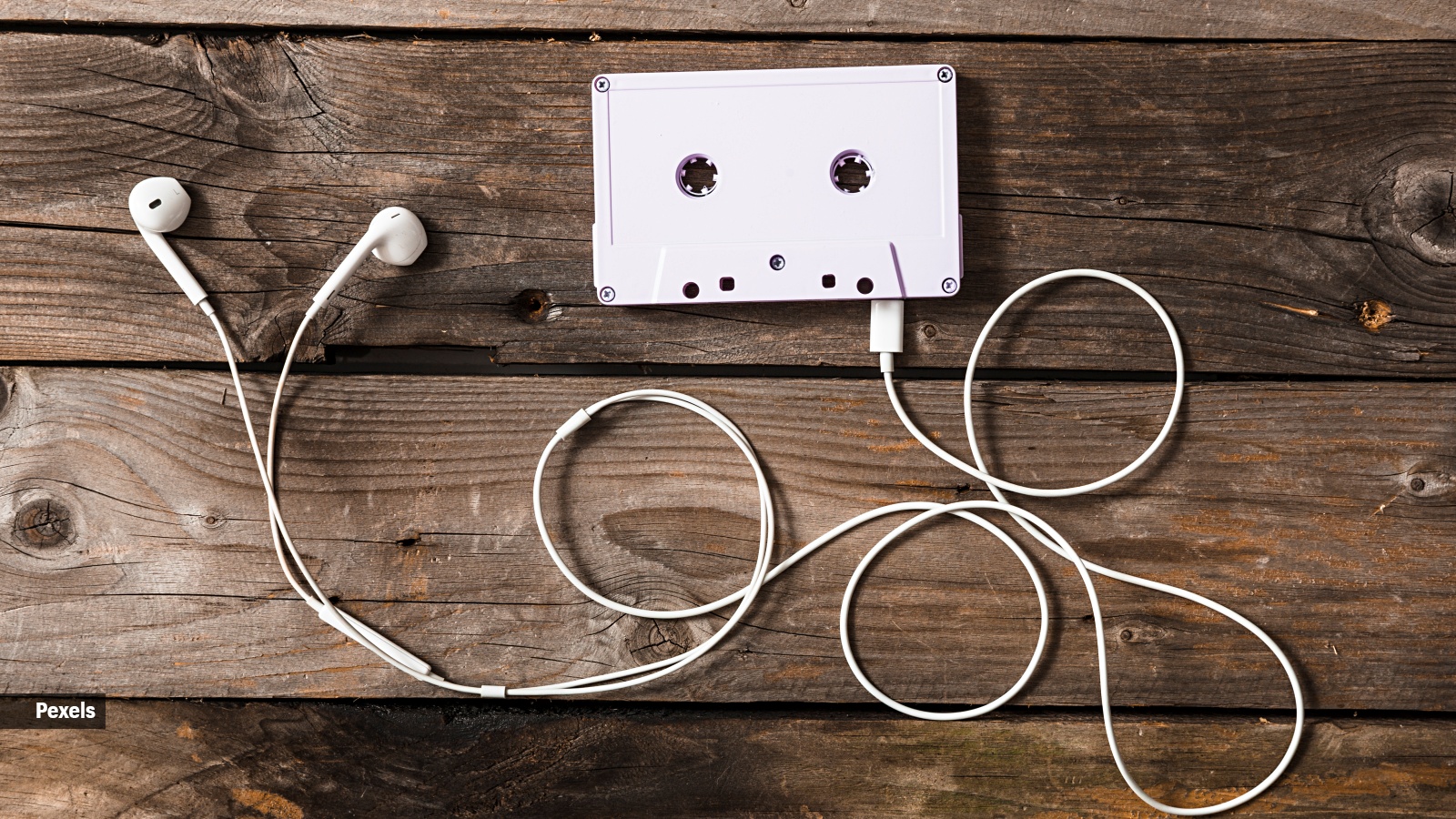 Reusable earplugs must be changed if they crack, get discolored, become hard or difficult to clean (Image: Pexels)
While many people can use earplugs safely, some individuals should consult a doctor before using them regularly.
Dr Hegde recommends caution for people with:
- Frequent ear infections
- Ear eczema or chronic skin disorders affecting the ear canal
- Narrow ear canals
- Recurrent earwax buildup
- Recent ear surgery
- A perforated eardrum
People experiencing recurring ear pain, ear discharge or infections should avoid using earplugs until the condition improves. Similarly, those who wear hearing aids or have chronic skin problems in the ear canal may also need personalised advice.
How should reusable earplugs be cleaned and replaced?
“Reusable earplugs must be washed with soap and water after each use and allowed to dry before next usage,” says Dr Hegde. Replaced them if they crack, become discoloured, turn hard or become difficult to clean.
Story continues below this ad
Similarly, disposable earplugs should not be reused. They should be thrown away if they become dirty, lose their shape or stop expanding properly.
When should you see a doctor?
Earplugs should not cause pain or changes in hearing. Seek medical advice if you notice:
Ear pain
Itching
Redness or inflammation
Ear discharge
Bleeding
Hearing loss
Buzzing sounds in the ear
Dizziness
A feeling of blockage or fullness in the ears
These symptoms may indicate impacted earwax, irritation or an ear infection. Dr Hegde also advises against trying to remove earwax using cotton buds or sharp objects, as this can push wax deeper into the ear canal or cause injury.
Story continues below this ad
DISCLAIMER: This article is based on information from the public domain and/or the experts we spoke to. Always consult your health practitioner before starting any routine.
