
Nathu La (Sikkim):
In a historic step, India and China are resuming border trade through the old Silk Route at Nathu La from Saturday.
Border trade between India and China through the historic Nathu La Pass in East Sikkim is resuming after a gap of six years since the COVID-19 pandemic.
The resumption marks a positive sign in bilateral engagement between India and China.
Border trade through Nathu La had first started on July 6, 2006, and was suspended during the COVID-19 pandemic.
Trade will remain open for six months, from May to November, as per mutually agreed Standard Operating Procedures (SOPs). Trading will take place from Monday to Thursday, with both countries retaining the existing list of 36 approved commodities.
Infrastructure at the Nathu La Integrated Check Post, which had deteriorated during the prolonged closure and harsh Himalayan winters, has been refurbished and made operational.
Security has also been strengthened for the reopening. The Indo-Tibetan Border Police (ITBP) will deploy additional personnel at Nathu La, including an all-women platoon for the first time to assist with border trade operations.
The route was reopened in July 2006 after remaining shut for 44 years following the 1962 India-China war. The revival was widely viewed as a confidence-building measure aimed at strengthening economic ties and improving livelihoods in border regions.
However, both trade and the Kailash Mansarovar Yatra through Nathu La were suspended in 2020 following the COVID-19 outbreak.
The reopening comes just weeks after the resumption of the Kailash Mansarovar Yatra through Nathu La, raising hopes that cross-border exchanges between the two countries are gradually returning to normal.
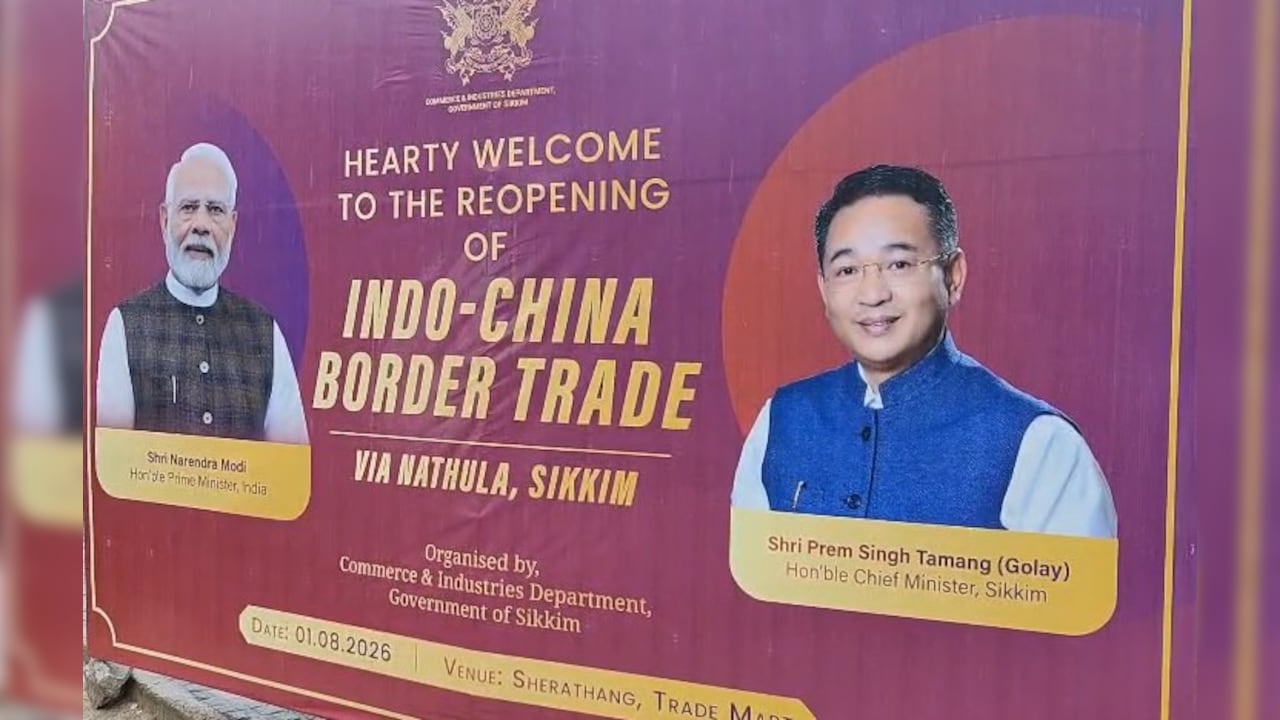
The resumption of trade will end a six-year suspension that affected traders and border communities
Under the existing protocol, India can export 36 approved items, including handicrafts, handloom products, blankets, agricultural tools, processed foods, dry vegetables, spices, ready-made garments, utensils and traditional religious articles.
Imports from the Tibetan side include ready-made garments, shoes, yak products, butter, borax, goats, quilts and other approved goods.
Although up to 400 traders can be issued permits during a trading season, officials said only a limited number of passes have been cleared so far. More are expected after verification by district authorities and the State Intelligence Branch.
