
Actor Pradeep Rawat, known for his roles in Ghajini and Lagaan, died at the age of 74 after a relapse of cancer. The actor, who had successfully battled stomach cancer four years earlier, was hospitalised in July this year for treatment for blood cancer. However, his platelet count dropped suddenly to 6000 per microliter, leading to his untimely death at a cancer speciality hospital in Bhiwandi, Mumbai, his manager Siddharth Tiwari told indianexpress.com.
DISCLAIMER: This article is based on information from the public domain and/or the experts we spoke to. Always consult your health practitioner before starting any routine.

“Four years back, he had stomach cancer, which was cured. Till April this year, he was absolutely fine. In May, he had some discomfort, and he started losing a lot of weight. Then, again, we had tests which confirmed blood cancer this time. In July, on a gastroenterologist’s advice, he was admitted for 2-3 weeks in Kokilaben. He was then shifted to a cancer speciality hospital in Bhiwandi for about 10 days for treatment of blood cancer. Unfortunately, his platelet count dropped to 6,000 per microliter…very low. His white blood cells had shot up, and his immune system had become very weak, and he died,” Tiwari told indianexpress.com over the phone.
His last rites are being held today on August 5. “Pradeep Sir’s mortal remains will be kept for final darshan today from 2:00 p.m. to 4:00 p.m. at Bwing P3, Imperial Heights, Goregaon West. After 4:00 p.m., he will be taken for the final rites and cremation near the Oshiwara Bridge on S.V. Road, Jogeshwari West. Om Shanti,” Tiwari shared.
Rawat is survived by his wife, Kalyani Rawat, and his 18-year-old son, Vikramaditya.
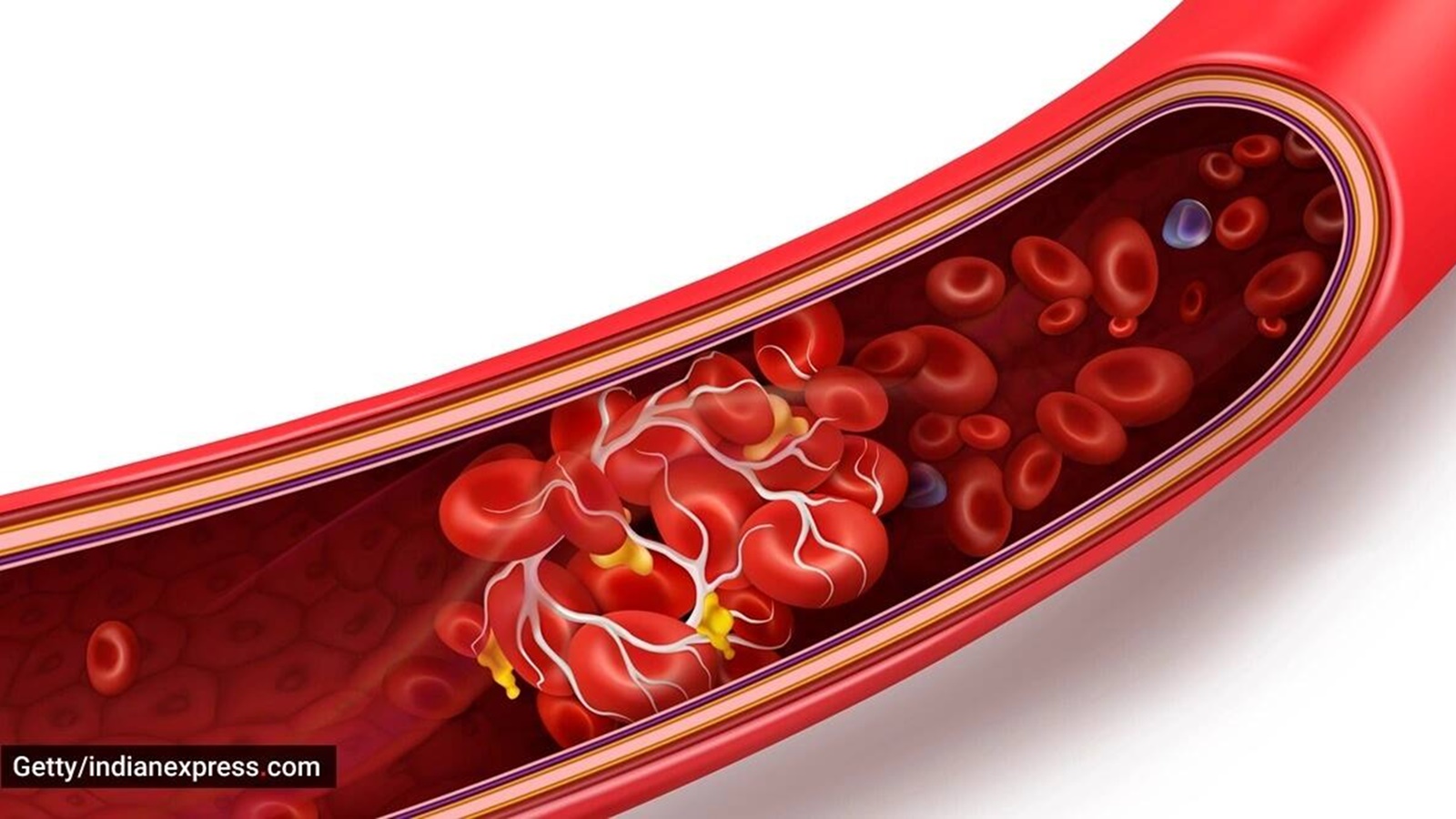 Here’s what to note (Photo: Getty Images/Thinkstock)
Taking a cue from Tiwari’s revelation, we asked an expert about the link between blood cancer and low platelet count.
Dr Meghal Sanghavi, consultant onco-surgeon, Wockhardt Hospitals in Mumbai Central, said that in some individuals with recurrent or advanced cancer, there may be a decrease in the number of platelets, although the causes differ from person to person. “In a number of cases, the cancer can spread to the bone marrow, the site where blood cells, including platelets, are produced, and this can interfere with the body’s ability to produce sufficient platelets. Low platelet counts may, however, also be due to chemotherapy, infections, certain drugs or nutritional deficiencies. It is wrong to suppose that a low platelet count always indicates that the cancer has relapsed or progressed and a thorough medical evaluation is required in order to find out the precise cause,” said Dr Sanghavi.
Story continues below this ad
Why are platelets so important and when does a reduced number of platelets become dangerous?
Platelets are important in aiding the blood to clot and in stopping excessive bleeding. According to Dr Sanghavi, a normal platelet count usually lies between 1.5 lakh and 4.5 lakh per microliter of blood. “If the count drops considerably, minor injuries may lead to prolonged bleeding. A platelet count of about 6,000 per microliter is very low and represents a medical emergency since it is associated with a high risk of spontaneous bleeding, such as dangerous internal bleeding involving the brain or the gastrointestinal tract. The seriousness of the situation depends not just on the platelet count but also on the patient’s general health, any existing illness and other medical conditions. These patients need to be subject to urgent medical assessment, be carefully monitored and, in many instances, receive immediate treatment, including platelet transfusions if necessary,” explained Dr Sanghavi.
What warning signs should cancer patients and their families never ignore?
If cancer patients see any unusual bruising, have ongoing nosebleeds, notice bleeding gums, observe small red or purple spots on the skin (known as petechiae), notice blood in their urine or in their stools, or continue to bleed for a long time after a minor cut, they should get medical help at once. “Likewise, if they experience persistent fatigue, dizziness or weakness this should be assessed, especially in the case of low blood counts. The symptoms should never be regarded as ordinary side effects since early intervention can help avoid serious complications,” said Dr Sanghavi.
Pradeep Rawat has been trending on Google for the last 24 hours.
