
The idea of “cleaning” your arteries naturally sounds tempting. Online, garlic, turmeric, fish oil and certain diets are often promoted as ways to clear blocked arteries. But can diet and lifestyle changes actually remove existing plaque, or is prevention the actual goal?
As a similar query popped up on Quora: ‘How can I remove plaque from my arteries naturally?’, we decided to dig deeper and find out the truth.

Turns out, plaque buildup inside the arteries, known as atherosclerosis, happens over time and can increase the risk of heart attack and stroke. Dr Punya Pratap, Consultant Cardiologist, Gleneagles Hospital, Parel, Mumbai, explains what lifestyle changes can realistically do for artery health—and when medical treatment may be needed.
DISCLAIMER: This article is based on information from the public domain and/or the experts we spoke to. Always consult your health practitioner before starting any routine.
Can you actually remove plaque naturally?
If plaque has already built up, lifestyle changes can help slow its progression, but they cannot simply remove it.
“Plaques that have already built up cannot usually be completely removed through natural methods, but lifestyle changes can slow its progression and help stabilise the plaque,” Dr Pratap says.
In some cases, prescribed treatment can also help reduce plaque burden and cardiovascular risk. People diagnosed with high cholesterol or artery disease should therefore not rely solely on home remedies or dietary changes.
Story continues below this ad
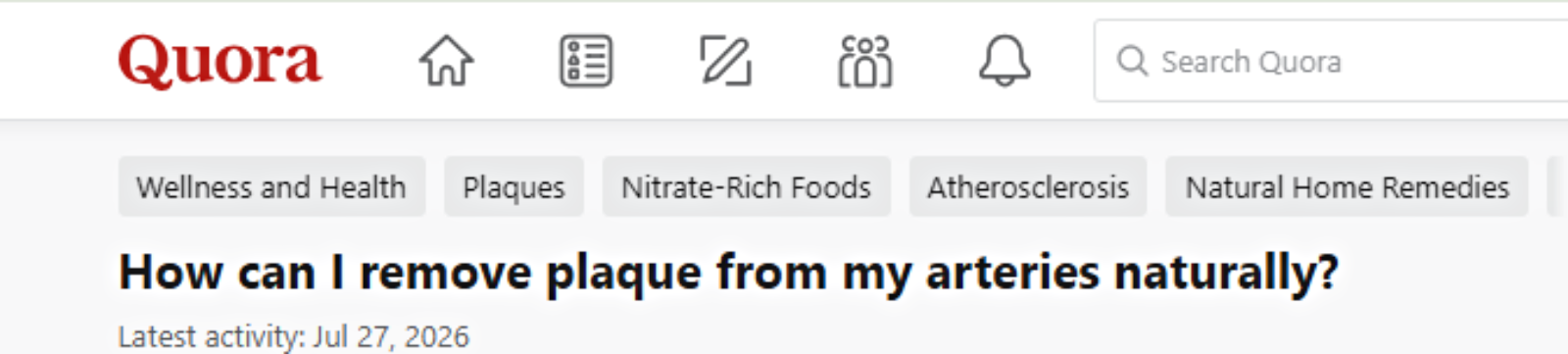 Screenshot of the query posted on Quora
What can you do to keep your arteries healthy?
Several everyday habits can help reduce cardiovascular risk.
“Regular exercise, a balanced diet, maintaining a healthy weight, avoiding smoking and controlling blood pressure, cholesterol and blood sugar are the most important steps,” says Dr Pratap.
Good sleep and stress management can also support overall heart health.
Exercise improves blood pressure, cholesterol, blood sugar, weight and fitness. It may also help stabilise existing plaque, but it cannot physically remove it.
Story continues below this ad
“Regular exercise mainly reduces cardiovascular risk by improving blood pressure, cholesterol, blood sugar, weight and fitness,” Dr Pratap explains. It may also help stabilise existing plaque, “but it should not be viewed as a way to physically ‘scrub’ plaque from the arteries.”
Can changing your diet help?
A heart-healthy diet can help control cholesterol and other risk factors linked to plaque formation. Dr Pratap recommends eating more vegetables, fruits, whole grains, legumes, nuts and healthy fats.
At the same time, cut back on processed foods, excess salt, added sugar, and saturated and trans fats.
What about garlic, turmeric and fish oil?
These are often promoted online as natural artery cleansers, but the evidence does not support that claim.
Story continues below this ad
“There is no strong evidence that garlic, turmeric or fish-oil supplements can clean existing plaque from arteries,” Dr Pratap says.
They should not replace proven treatments or prescribed medicines, particularly in people with established heart disease.
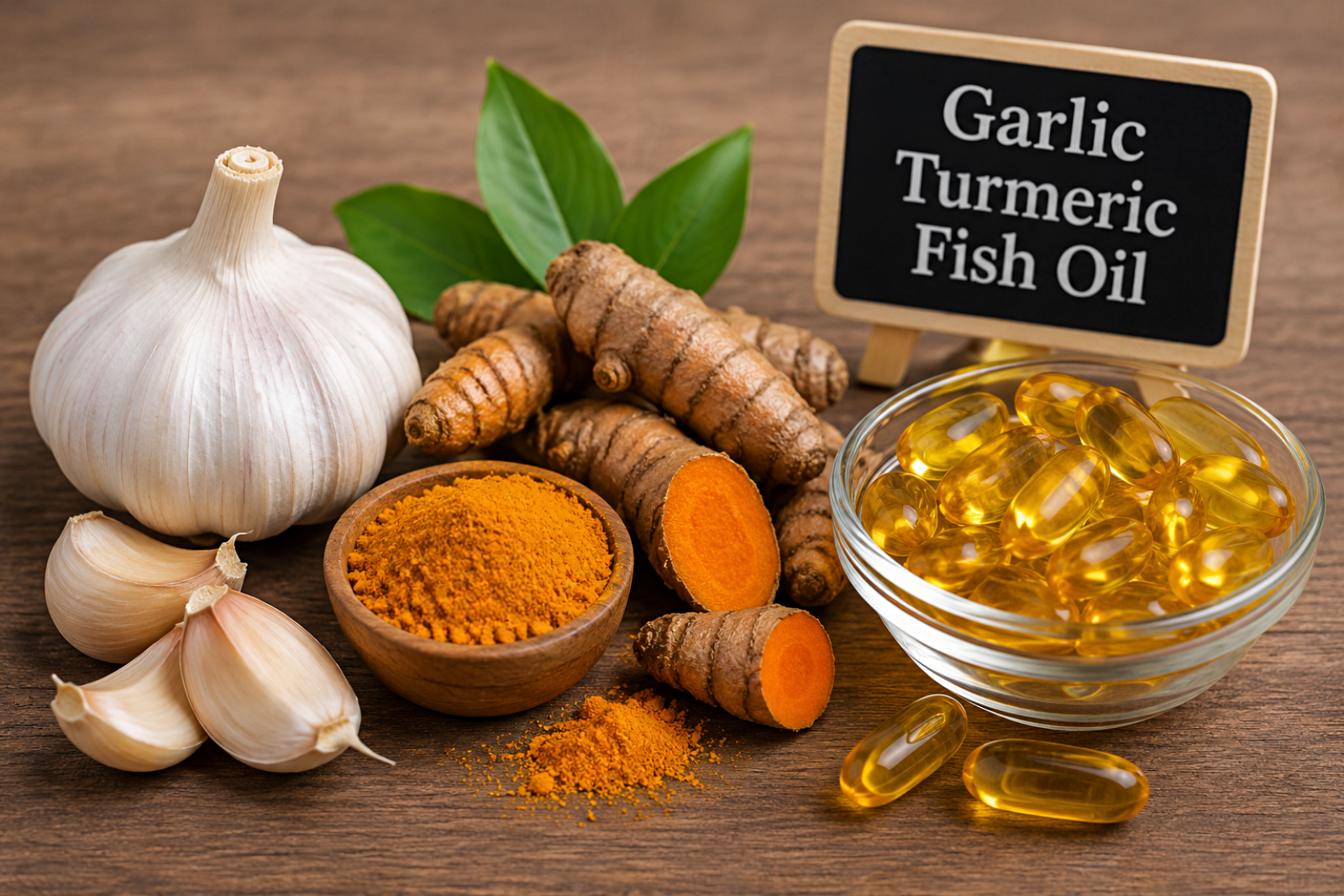 There is no strong evidence that garlic, turmeric or fish-oil supplements can clean existing plaque from arteries (Ai generated image)
Which numbers should you watch?
Keeping LDL cholesterol, blood pressure and blood sugar within recommended ranges is important for protecting your arteries. However, targets vary according to age, medical history and overall cardiovascular risk.
“The ideal targets depend on a person’s age, medical history and cardiovascular risk,” Dr Pratap says. People at high risk may need stricter targets advised by their doctor.
Story continues below this ad
What symptoms should not be ignored?
Certain symptoms can indicate that plaque is affecting blood flow and require medical attention.
“Chest pressure or pain, breathlessness, unusual sweating or pain spreading to the arm or jaw can indicate reduced blood flow to the heart and need urgent medical attention,” Dr Pratap says.
Poor circulation in the legs can also cause symptoms. “Leg pain while walking, cold feet or non-healing wounds can also suggest poor circulation,” he adds.
When are lifestyle changes enough?
Lifestyle changes are essential, but they may not be sufficient if cholesterol, blood pressure or diabetes remains uncontrolled, or if significant artery disease is present.
Story continues below this ad
“Lifestyle changes are essential for everyone, but they may not be sufficient when cholesterol, blood pressure or diabetes remains uncontrolled or when significant artery disease is present,” says Dr Pratap.
Depending on the person’s cardiovascular risk and the severity of the disease, doctors may recommend medicines and, in selected cases, procedures to restore blood flow.
Rather than looking for a quick “artery cleanse”, the focus should be on controlling the factors that contribute to plaque buildup. Anyone with symptoms or diagnosed artery disease should discuss the appropriate treatment with a doctor rather than relying on supplements or home remedies.
DISCLAIMER: This article is based on information from the public domain and/or the experts we spoke to. Always consult your health practitioner before starting any routine.
