
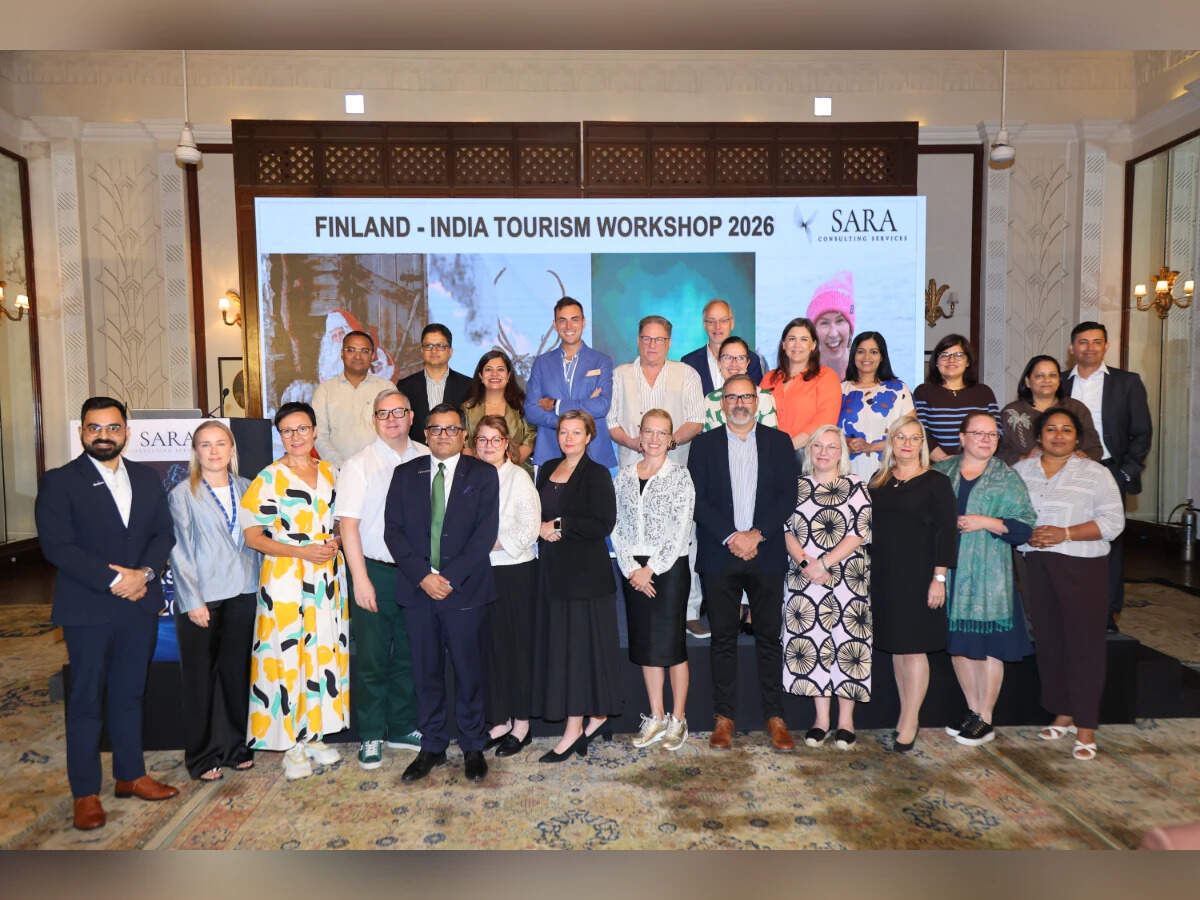
Finland is looking to broaden its appeal among Indian travellers beyond the traditional winter and Lapland proposition, as growing demand for luxury, experiential and nature-based travel prompts the destination to step up its focus on summer, autumn, MICE and multi-region itineraries.The shift comes as Finland recorded sustained growth from India, with Indian overnight stays in Lapland rising 89% in 2024 over 2023 and a further 20% in 2025, according to data shared by Sara Consulting Services, which organised the Finland-India Tourism Workshop 2026. Finland also records the highest number of Indian overnight stays among the Nordic countries, according to the workshop organisers. The three-city workshop, held across Mumbai, Ahmedabad and New Delhi, brought together 22 tourism partners from Finland and was described by the organisers as the largest-ever Finnish tourism delegation for a workshop in India. The participating businesses represented destination marketing organisations, luxury hotels and resorts, destination management companies, experience providers and other tourism businesses. The delegation also engaged travel advisors and operators from Tier-II and Tier-III markets, including Pune, Kolkata, Indore, Raipur, Chandigarh, Ludhiana and Agra. The broader strategy is to use the strength of Finland’s winter product as a gateway to sell the destination throughout the year. Christian Heikkinen, Minister and Deputy Head of Mission at the Embassy of Finland in New Delhi, said discussions with the Indian travel trade indicated that greater attention was needed on Finland’s summer and autumn offerings. “Talking to a lot of people here, the general feel is that we have wonderful things going on for the winter, but we need to pay a bit more attention to the summer and why not also the fall season?” Heikkinen said.He said Finland’s nature, adventure and experiential products, including husky safaris and experiences around Finnish Lapland, could appeal strongly to India’s growing premium and younger traveller segments. “There is a significant growth in the sort of premium class travel or luxury travel, and especially the young people are looking for experiences,” he said.
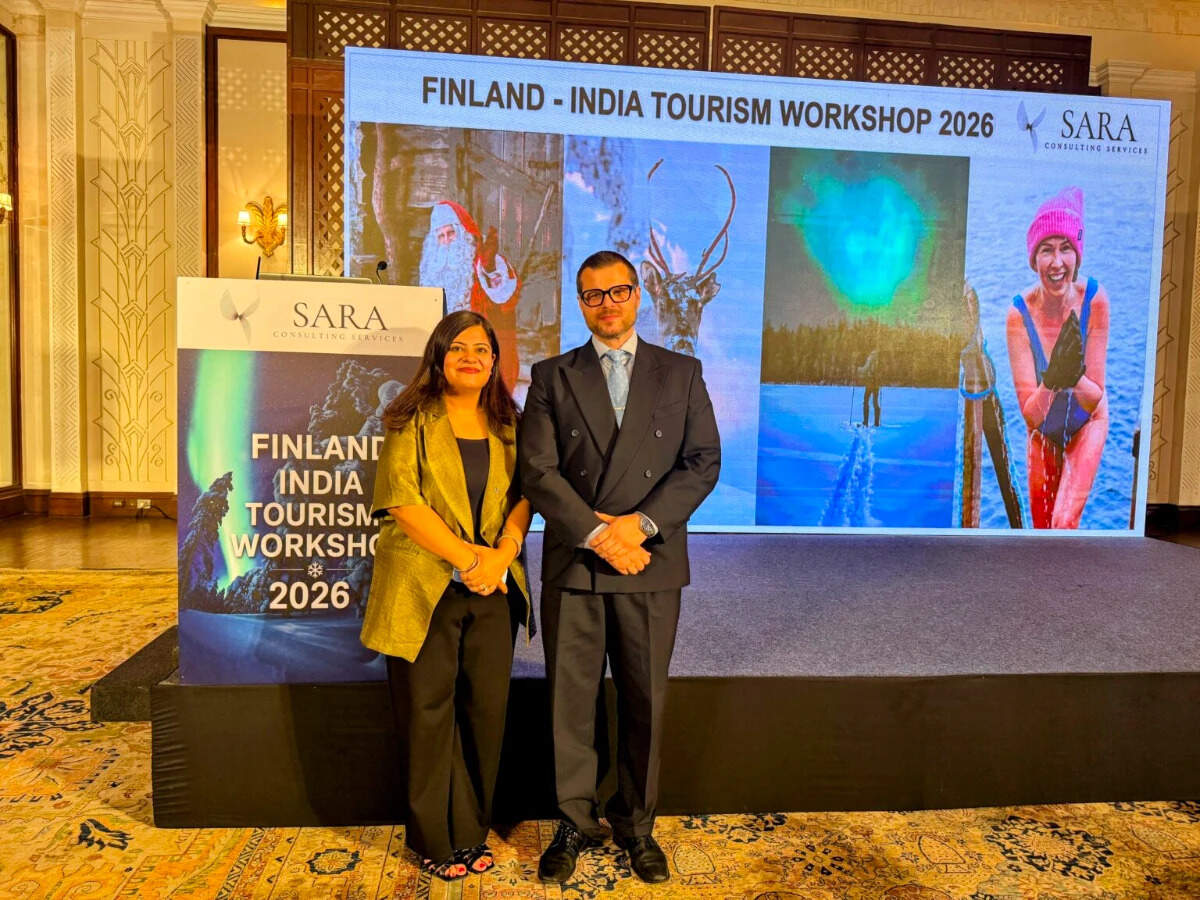
The comments come as Finland’s tourism offering begins to diversify in the Indian market. While Lapland remains the strongest draw, the travel trade is increasingly selling Helsinki, Lakeland and the Archipelago as part of summer itineraries. According to Sara Sodhi Juneja, Founder and CEO, Sara Consulting Services, demand is also emerging from a wider spread of Indian cities. “Growth has been definitely increasing from everywhere, with queries coming from almost all key Indian markets,” Juneja said. She added that Indian travellers are increasingly planning well ahead for peak winter periods, particularly December and January, because of limited inventory in Lapland.March, meanwhile, is emerging as an important alternative for travellers seeking the Northern Lights and snow while avoiding the peak December-January period. Juneja said March has become one of the strongest months for Lapland after December and January, with comparatively better availability.The destination is also seeing growing interest in Finland beyond Lapland. Helsinki and Lapland are being combined for MICE programmes, while summer demand is increasing for the Lakeland and Archipelago regions. Travel companies are also beginning to sell “mono Finland” itineraries, with travellers spending time across Helsinki, Lakeland and the Archipelago rather than combining Finland with multiple Nordic destinations. For Finland, the diversification of the Indian market is particularly relevant as the country looks to increase year-round tourism while encouraging longer and higher-value stays. The Embassy’s Heikkinen said interest from India is already increasing and that this is reflected in visa applications, although he noted that visas are not his core area of responsibility.The Indian market is also benefiting from established air connectivity. Finnair currently lists Helsinki-Delhi services in its network, providing a direct link between the two capitals. Heikkinen, however, said decisions on additional Indian destinations would ultimately depend on the airline’s commercial strategy. The Finnish Embassy is meanwhile viewing tourism as part of a broader strengthening of India-Finland ties. Heikkinen pointed to intensified political and economic engagement between the two countries, including high-level visits in 2026, and said the Embassy was working to strengthen people-to-people ties and tourism exchanges.The opportunity is also being supported by a broader recovery in international travel to Finland. Statistics Finland reported that nights spent by non-resident tourists in the country rose 13% in 2025 to 7.2 million, while total overnight stays reached 23.3 million. In Lapland, international overnight stays remained particularly strong during the winter season, with the region accounting for a dominant share of international winter nights across the northern Nordic destinations.Sara Sodhi Juneja said the Indian market is increasingly prioritising experiences, quality and deeper connections with destinations, creating an opportunity for Finland to move beyond its established winter proposition.”The Indian market is evolving rapidly, with travellers placing greater value on unique experiences, quality and deeper connections with a destination. Finland is exceptionally well positioned to meet this demand,” she said.With the latest roadshow bringing together the largest Finnish tourism delegation seen in India for such a workshop, the focus is now shifting from simply creating awareness to expanding the range of Finnish products being sold in India. For the destination, that means converting the strong demand for Lapland’s winter experiences into broader year-round demand for Finland’s cities, nature, wellness, MICE and experiential tourism offerings.
