
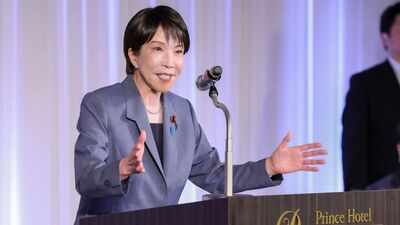
Japan’s first woman to hold the country’s top political office is facing an unusual question about time: why does her working day need several extra hours? Prime Minister Sanae Takaichi’s explanation, which included household chores, bathing and applying makeup, has opened a wider discussion about the demands placed on working women and the country’s entrenched workplace culture.Speaking during a parliamentary session on Wednesday, Takaichi said these activities meant she spent three or four more hours preparing for the day than male prime ministers had. Her remarks quickly moved beyond her personal routine, drawing attention to the unequal division of domestic work and the expectations surrounding women in public life.
A morning routine becomes a national conversation
Takaichi described a morning that begins with bathing, preparing breakfast and washing dishes before she applies makeup and gets ready for public appearances. “In the morning, I take a bath, fix breakfast and do the dishes, then apply makeup,” she told lawmakers. “Doing these things, I feel I’m spending three or four more hours than male prime ministers.” She also said her aides took time to understand that she needed additional preparation before appearing on camera.The comments prompted criticism online, with some people arguing that the prime minister’s experience reflects a broader problem rather than an individual scheduling difficulty. Women in Japan often carry a disproportionate share of household work and caregiving alongside their paid employment. Government figures cited in the report show women spend nearly five hours a day on household chores, compared with about 40 minutes for men. That disparity has become part of the debate over how gender roles shape women’s time, career opportunities and personal lives.Lawyer Fusako Miwa questioned the way Takaichi framed the issue in a social media post. She argued that needing more time was not necessarily a problem if the job was being done but objected to presenting makeup as an excuse. The reaction also highlighted a tension in public expectations. As a woman in a demanding leadership role, Takaichi faces scrutiny over her performance, while her description of domestic responsibilities has prompted discussion about whether traditional expectations continue to influence even the country’s highest office.
Long hours, little sleep and questions about leadership
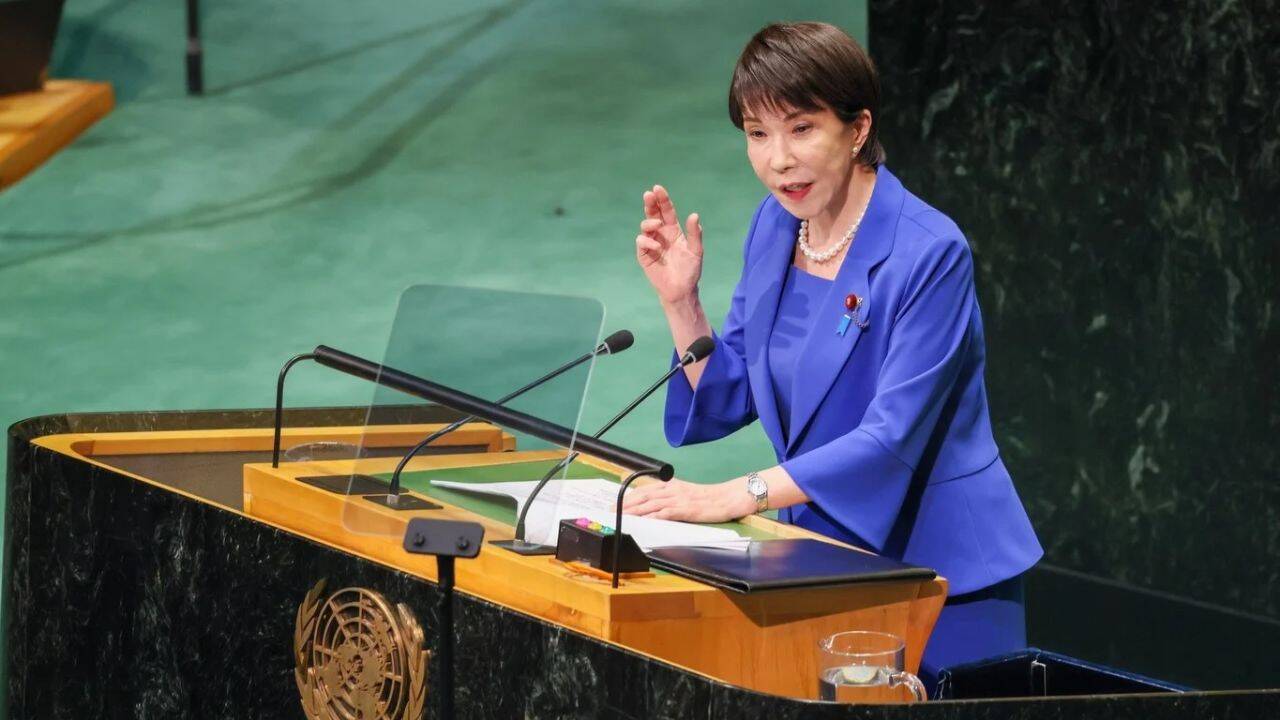
The controversy has unfolded alongside concerns about Takaichi’s demanding schedule. She has said that, after taking office last year, her workload and homemaking responsibilities sometimes leave her with only zero to three hours of sleep a night. Her comments have raised questions about whether such a routine should be treated as a sign of dedication or as evidence of an unsustainable approach to work.Takaichi remains active on X, but has reportedly reduced her appearances in parliament and spent more evenings and weekends at her residence. Critics have described the limited public engagement as a concern for policy debate, while the wider discussion has focused on the pressures of the prime minister’s schedule.Another setback arrived on Wednesday when newly appointed farm minister Kazuo Yana resigned amid several scandals. These included remarks about reducing road construction budgets for municipalities that did not support him in an election, as well as an admission involving questionable free transportation for supporters attending his political rallies. The developments have added to the scrutiny surrounding Takaichi’s administration, although the minister’s resignation and the debate over her personal routine are separate issues.
Is the answer a different way of working?
The discussion has also prompted suggestions that Japan’s political system itself may need to change. Fumitake Fujita, a senior official from Takaichi’s junior coalition partner, the Japan Innovation Party, raised the long hours ministers spend attending parliamentary sessions. Citing a report by political think tank NXJI Research, Fujita said Japan’s prime minister attended parliamentary sessions for 72 days in 2022, compared with 50 days for the British prime minister and 13 for Germany’s leader. The report proposed providing cooks and other housekeeping staff at the prime minister’s official residence, allowing the leader to focus on official duties and get more sleep.Takaichi has acknowledged the difficulty of finding time to think beyond immediate tasks. She said she regularly brings home a thick stack of documents and enjoys reading them late at night. “Honestly, I feel it is not easy to squeeze out time to sit down and think about the future direction of Japan or have a grand vision,” she said. Her remarks have turned a discussion about makeup and chores into a larger question about how domestic labour, political expectations and demanding work schedules intersect. The debate is no longer only about how one prime minister organises her day, but also about the structures that determine who carries the burden of work at home and who gets time to lead.