

Revathi Kamath, mother of Zerodha co-founders Nikhil and Nithin Kamath, has often been in the news for her henna-playing skills and for being an environmentalist. But this time she is going viral for her Ragi Mudde, which she fed ‘lovingly’ to a girl whom she had lunch with.A Facebook user named Tanu Shree shared that she had lunch with Revathi Kamath, who made ragi mudde and “lovingly fed me like a mother.” Tanu Shree also wrote that, despite her success and stature, Revathi Kamath is a humble soul. The post went viral, and many readers were charmed by the warmth in it.For those who haven’t tried it, ragi mudde is a soft dumpling made from ragi, also called finger millet, and is a popular snack eaten in many parts of South India.Ragi is not native to India, as Dorian Fuller’s survey of African crops in prehistoric South Asia says finger millet, which is native to Africa, reached the subcontinent in the second millennium BCE. And that long history might make you wonder what has kept ragi on our plates for so many centuries.Here are some benefits of eating Ragi according to a study publishedin the Journal of Food Science and Technology
Ragi has natural antimicrobial properties
Finger millet’s outer layer, the seed coat, is packed with plant compounds called polyphenols. According to the review, extracts from the seed coat work against bacteria such as Bacillus cereus and the mould Aspergillus niger in lab tests.Other extracts from the seed cover also protected against E. coli, Staphylococcus aureus and Listeria. The review adds that seed coat extracts were stronger than whole flour extracts, and that polyphenols may be one reason ragi flour stores so well.
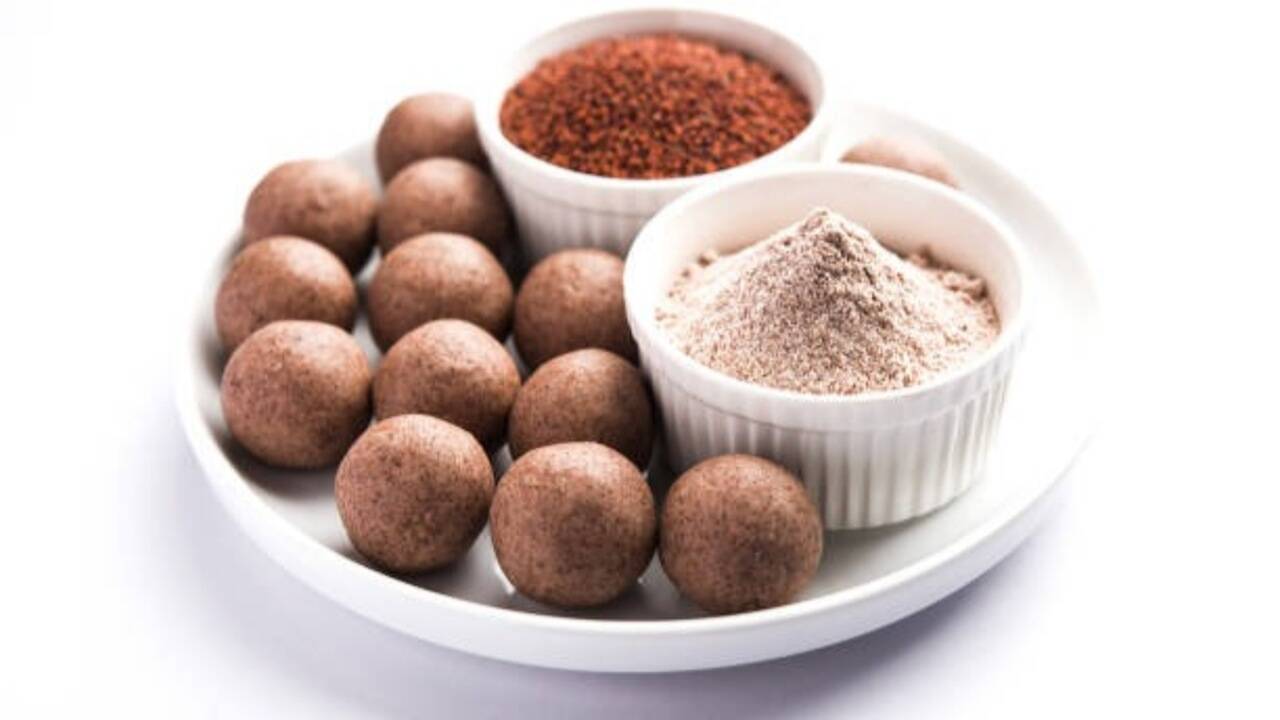
Antioxidants in ragi help protect the body’s cells
Ragi is rich in phenolic acids, flavonoids and tannins, which can act as antioxidants. These help neutralise harmful free radicals that are associated with ageing and chronic disease. Most of these compounds are found in the seed coat, and ragi is usually ground whole, so traditional foods like mudde have them intact.
Ragi may support wound healing
Ragi may also help wounds heal, and evidence about this comes from review, when experiments were conducted on diabetic rats fed a finger millet diet for four weeks healed skin wounds faster, with quicker wound contraction and more collagen at the wound site.The researchers attributed this to ragi’s antioxidants and better blood sugar control; apart from that, ragi’s carbohydrates are digested slowly, and millet diets are usually recommended for people with diabetes.