
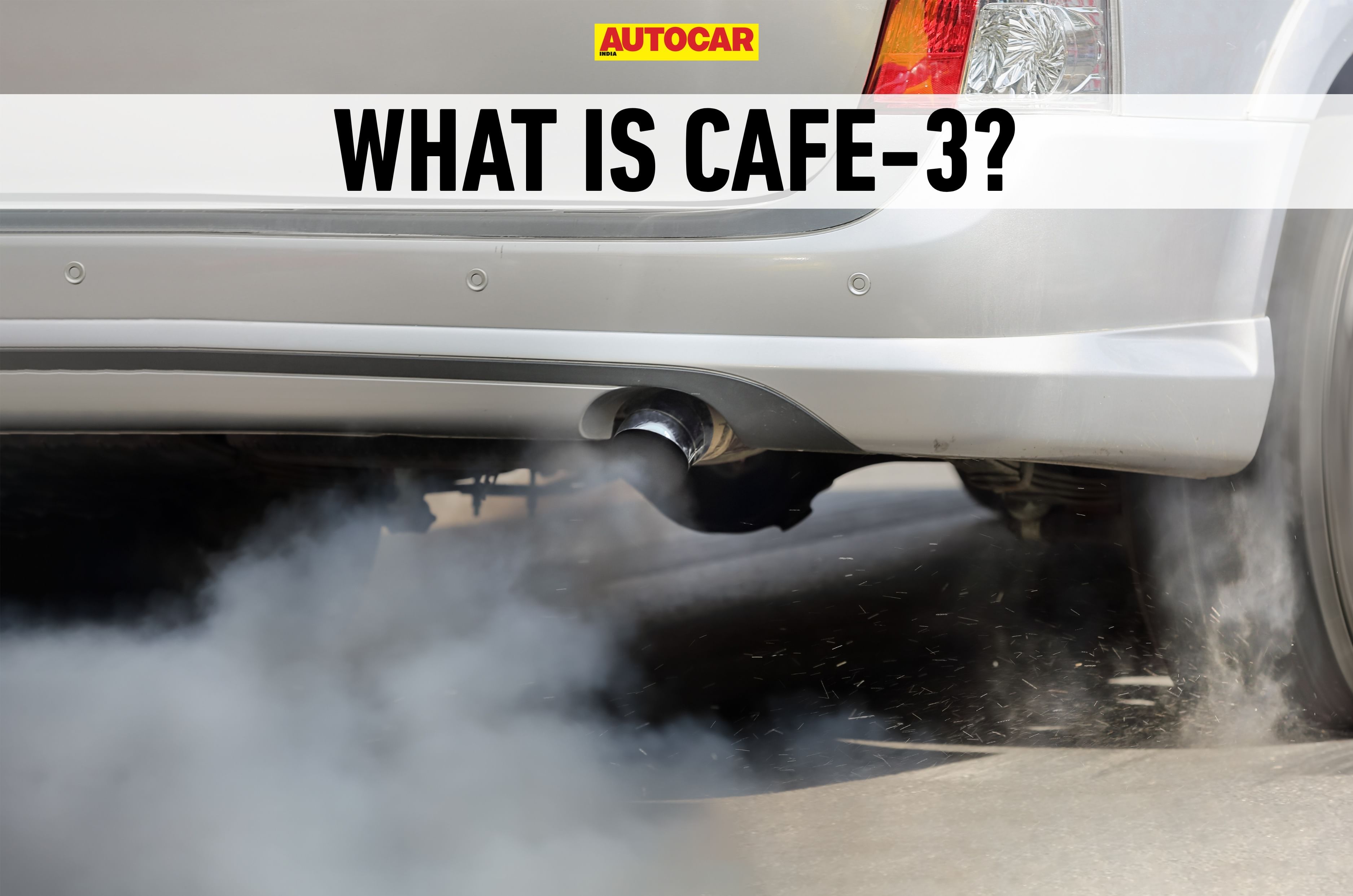
The government’s draft CAFE-3 norms (Corporate Average Fuel Efficiency) for 2027-32 tighten fuel-efficiency and CO₂ targets for all passenger-vehicle manufacturers. The norms mandate carmakers to gradually cut average fuel consumption of the cars they sell from 3.73 litres per 100km in 2027 to 3.01 litres by 2032.
While the new cycle aims to push cleaner, more efficient vehicles and accelerate electrification, a controversial provision offering relief for certain small petrol cars has deeply divided manufacturers.These norms could influence prices, safety, model strategy and the pace of electrification in the years ahead. Here’s a clear breakdown of what’s happening.
- Stricter fleet-wide CO₂ and fuel-efficiency targets from 2027–32
- Draft small-car relaxation gives lighter, compact petrol models an easier compliance
- Maruti-Toyota back relief; Tata-Hyundai-Mahindra oppose
- EVs, hybrids and electrified powertrains get bigger compliance benefits
What CAFE-3 proposes ?
Stricter targets, more electrification.
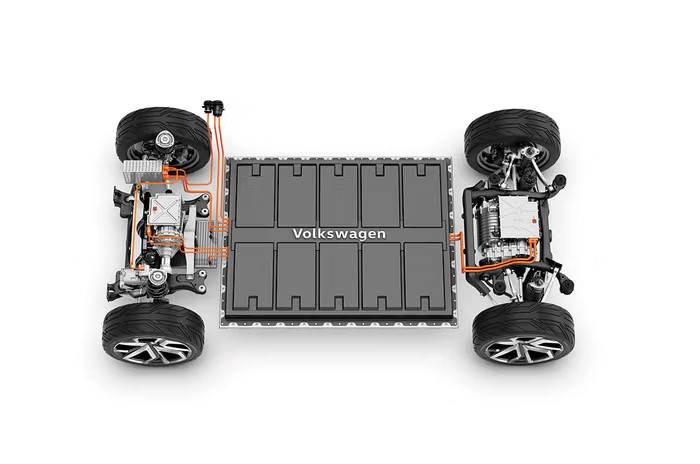
CAFE-3 keeps the core rule unchanged: every manufacturer must meet a fleet-wide CO₂ average across all passenger vehicles. The next cycle tightens these targets, mandating cleaner engines, better aerodynamics, hybridisation and stronger electrification. For most brands, that means higher investment in tech like idle-stop, lightweight materials, advanced valve systems and hybrid systems. EVs remain valuable “super credits”, helping manufacturers lower their overall fleet average.
The flashpoint is a proposed relaxation for select small petrol cars, vehicles under 909 kg, ≤1200cc engine, ≤4000 mm length may claim an additional 3 g CO₂/km reduction in declared emissions, giving them an easier compliance target. Supporters say this helps keep entry-level car prices in check, while rivals call it unfair and warn it could slow progress on safety and real-world efficiency.
Why manufacturers are split ?
Debate deepens as brands clash over fairness, cost and safety priorities.

Brands like Maruti Suzuki and Toyota welcome the relaxation, claiming stricter uniform targets would disproportionately raise costs for entry-level models, the cars that keep mobility accessible for masses. In their view, a one-size-fits-all rule would push small-car prices upwards and shrink the segment further.
On the other side, Tata Motors, Hyundai and Mahindra argue that efficiency targets must be uniform. They say bending rules for lighter cars distorts engineering priorities and penalises brands investing heavily in safer structures and higher-segment products. The fairness of the playing field is at the core of the disagreement.
Safety is the other major concern. Critics say weight-based reliefs could encourage manufacturers to keep cars lighter at the expense of structural integrity and safety equipment. Carmakers against the move say India must not reverse the safety progress made in recent years, particularly with Bharat NCAP now active.
How CAFE-3 norms affect car buyers ?
Tighter norms may raise prices but speed up hybrid and EV adoption.
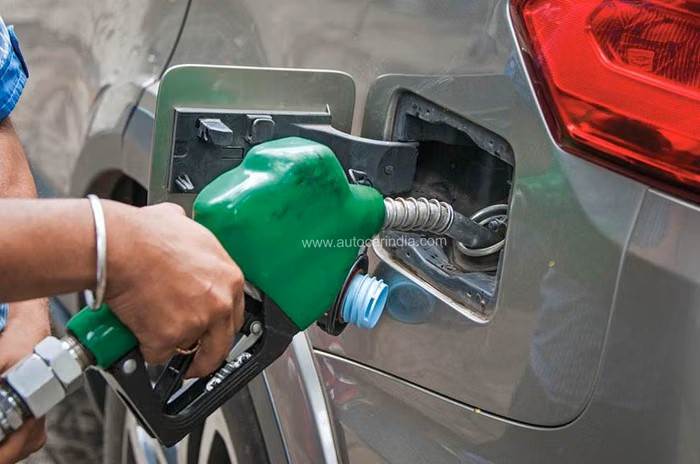
If uniform CAFE-3 targets are enforced, expect small-car prices to rise as brands add efficiency tech. If the small-car relaxation stays, entry-level models may remain more affordable, though they might see fewer upgrades in the short term.
EVs and strong hybrids will also become more common as they help manufacturers lower fleet emissions, bringing electrified options to segments that previously lacked them.
On running costs, tighter norms generally improve real-world efficiency, saving buyers money over time even if upfront prices increase. Resale values may also shift, with electrified models likely to hold stronger if policy continues favouring low-CO₂ vehicles.
Also see:
Supreme Court advocates gradual ban on petrol and diesel luxury cars
New CAFE 3 proposal to relax emission norms for small cars
