
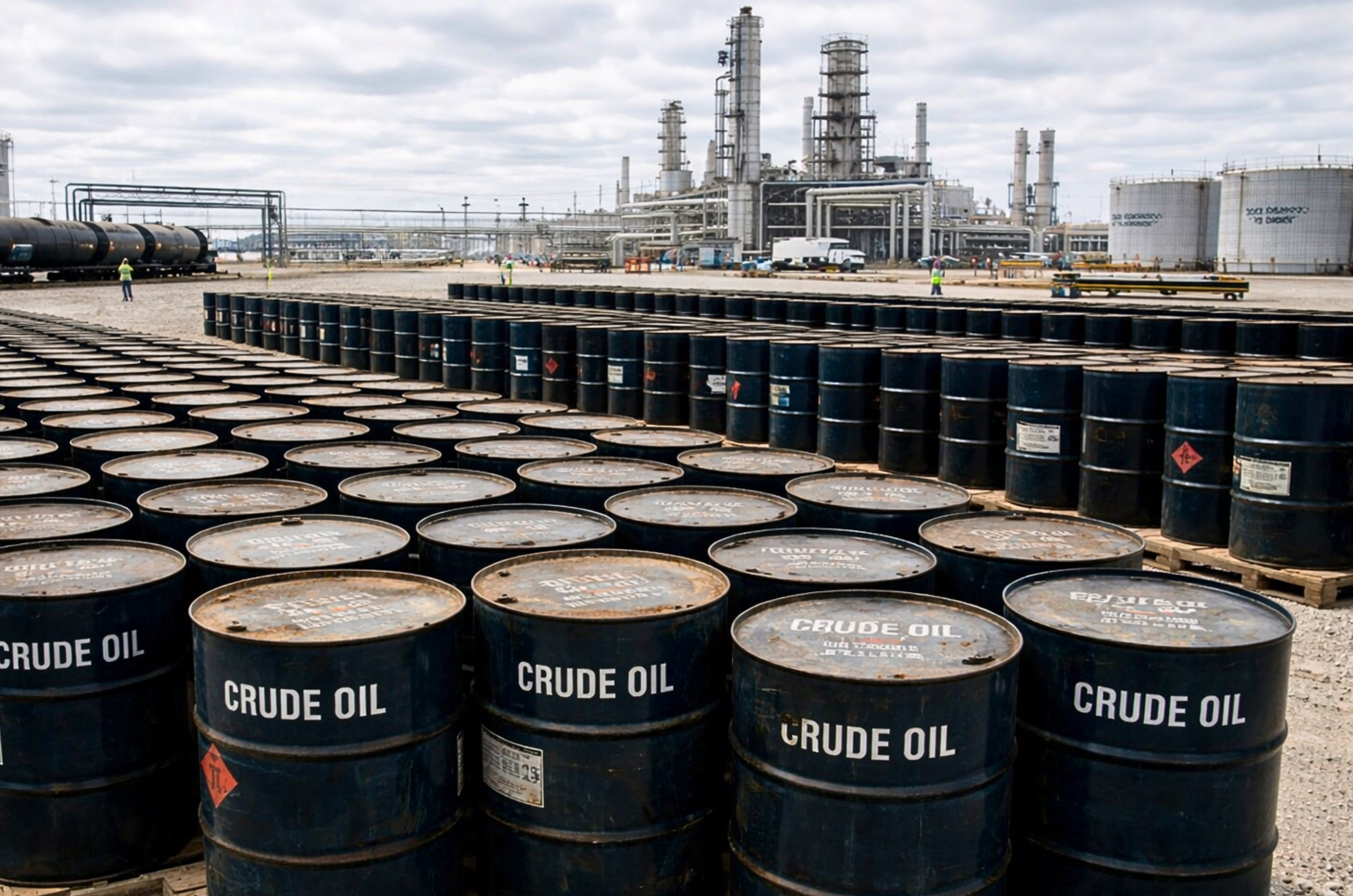
As news of the US-Israel strike in Iran and the subsequent retaliatory strikes on Gulf neighbours such as the UAE and Saudi Arabia broke, the geopolitical risk premium – industry jargon for the extra price we pay when the world gets messy – sent crude oil prices on a volatile ride. After climbing to USD 82 per barrel, prices have hovered near USD 79, but analysts warn that a jump to USD 90 is well within sight if the situation doesn’t cool down quickly.
For Indian motorists, automotive companies and the government alike, the math is painful. Every USD 1 increase in the price of a barrel of oil adds roughly Rs 12,000 crore to India’s annual import bill.
Sumit Ritolia, lead research analyst – refining and modelling, at commodities market analytics firm Kpler, is of the view that in the current escalation scenario, the initial impact is likely to be price-driven rather than volume-driven.
Furthermore, while the government may ask state-run oil companies to absorb these shocks initially, this is usually a temporary fix. Eventually, the math wins, and the costs move to the pump over a period of time. For the Indian automotive industry, this is a double-edged sword. Expensive fuel not only dampens the motorist’s monthly budget, but it also leads to rising logistics costs, which inevitably fuel general inflation, pinching automotive companies.
The choke point
The centre of this storm is the Strait of Hormuz, a narrow choke point between Oman and Iran. Though it is 21 miles wide at its narrowest, the actual navigable channel, the deep water where massive tankers can safely sail, is only a few kilometres wide.
About 20 percent of the world’s oil and a third of liquefied natural gas (LNG) pass through this needle’s eye. For India, the world’s third-largest oil consumer, the stakes are even higher: 50 percent of our crude oil and 54 percent of our LNG are currently routed through this single waterway. While the Strait isn’t officially blocked, ships are already queuing up, paralysed by skyrocketing insurance rates and the fear of becoming collateral damage.
Diversity remains key
This crisis catches the Indian oil and gas industry at a sensitive moment. Recently, under pressure from the US, Indian refiners had begun scaling back Russian imports and increasing their purchases from Middle Eastern and other suppliers. This shift has inadvertently left India more exposed to the Hormuz route.
If the Middle Eastern supply chain falters, sources indicate that India may swiftly return to Russian crude. Russia offers proximity and established logistics that bypass the Gulf’s current volatility. “We are watching the situation closely,” said a senior executive of a major oil marketing company (OMC).
Indian Oil was the largest importer of crude from Russia during January, followed by Nayara Energy and Bharat Petroleum Corporation. Reliance Industries, Hindustan Petroleum Corporation and others have not picked up oil from Russia during the same period.
Prashant Vasisht, senior vice president and co-group head, corporate ratings, at Icra, remarked that while Indian refiners may be able to source crude oil from alternate locations such as the United States, Africa and South America, elevated energy prices could result in a higher import bill.
“Diversification is the key, and we are constantly looking for it. However, it depends upon the grade of crude and logistics costs as well,” said an industry executive. He offered the example of restarting crude imports from Venezuela, which stopped about 5-6 years ago due to US sanctions. These imports have now resumed after receiving approval from the US, sought in order to lower India’s reliance on Russia.
Three variables to watch
The trajectory of this crisis depends on three variables, according to Kpler. First, Iran’s governance is institutionalised; unlike a typical dictatorship, the system doesn’t collapse just because a leader is removed, meaning this conflict won’t end overnight. Second, we must watch the export infrastructure; if major shipping hubs such as Jebel Ali in the UAE or Ras Tanura in Saudi Arabia are damaged, the supply hit will be immediate.
Finally, keep an eye on the USD 90 mark. If Brent crude stays above USD 90 for more than a week or two, New Delhi and the global markets will be forced to recalibrate policy. This is a mild way of saying we’ll have to brace for a much tougher economic reality. For now, the Indian motorist can only watch the headlines and wait for the fortnight lag to hit their wallet.
Shahkar Abidi
