
Rockstar actor Nargis Fakhri, who has been battling injuries for over a decade, recently opened up about the same and the subsequent “healing” journey with stem cell therapy. “I am in Bengaluru. I had platelets injected into various parts of my body to promote regeneration. I had platelets put in my neck for a neck injury, my lower back, my hip, hamstring and both knees. It was painful, but it didn’t last long. I got through it, and I am back at my hotel, feeling much better as everything calms down. I had bone marrow stem cell done to my knees around two and a half months ago. I have to say that it has worked so well. I feel 75 per cent better with my knees,” Fakhri, 46, said in a post on Instagram.
According to her, she can “actually feel the difference and the speed of recovery because around 2013, I had torn my knee. It was crazy. I had a partial meniscus tear. I did physiotherapy, and then I realised that my other knee got partially torn as well”.

“I was doing physio and all the strength training exercises. Doctors told me I had to get surgery. But I am not into the surgery thing. I’m too scared. So, I went with physio and strengthening, and that worked. But it took a long time. I swear I was struggling for years. It may have taken almost a year to feel normal. But I always had to be careful. Now, more than 10 years later, now I know the difference….recovery time…without the stem cell and with the stem cell,” she expressed.
Admitting that she is still “not 100 per cent” fit, she reiterated that “in two and a half months, I have seen 75-80 per cent”. “You have to have a good diet. You also have to complete the exercise they assign. You have to be consistent with that. So, it takes the combination of all of that, but it really works. Today, I received platelet-rich plasma (PRP) injections, where they draw your blood, spin it, and then inject it back into the area to promote healing. Let’s see… another month or two, and I could be jumping and running like I used to. I can’t wait,” she mentioned.
Dr Gazanfar B. Patel, senior consultant orthopaedic surgeon at Wockhardt Hospitals, Mumbai Central, said that experiences like this underscore the growing role of regenerative therapies in orthopaedics. “Procedures such as bone marrow-derived cell therapy and platelet-based injections aim to stimulate the body’s natural healing response. While individual results vary, patients can report significant pain relief and functional improvement over a few months, especially in carefully chosen cases,” said Dr Patel.
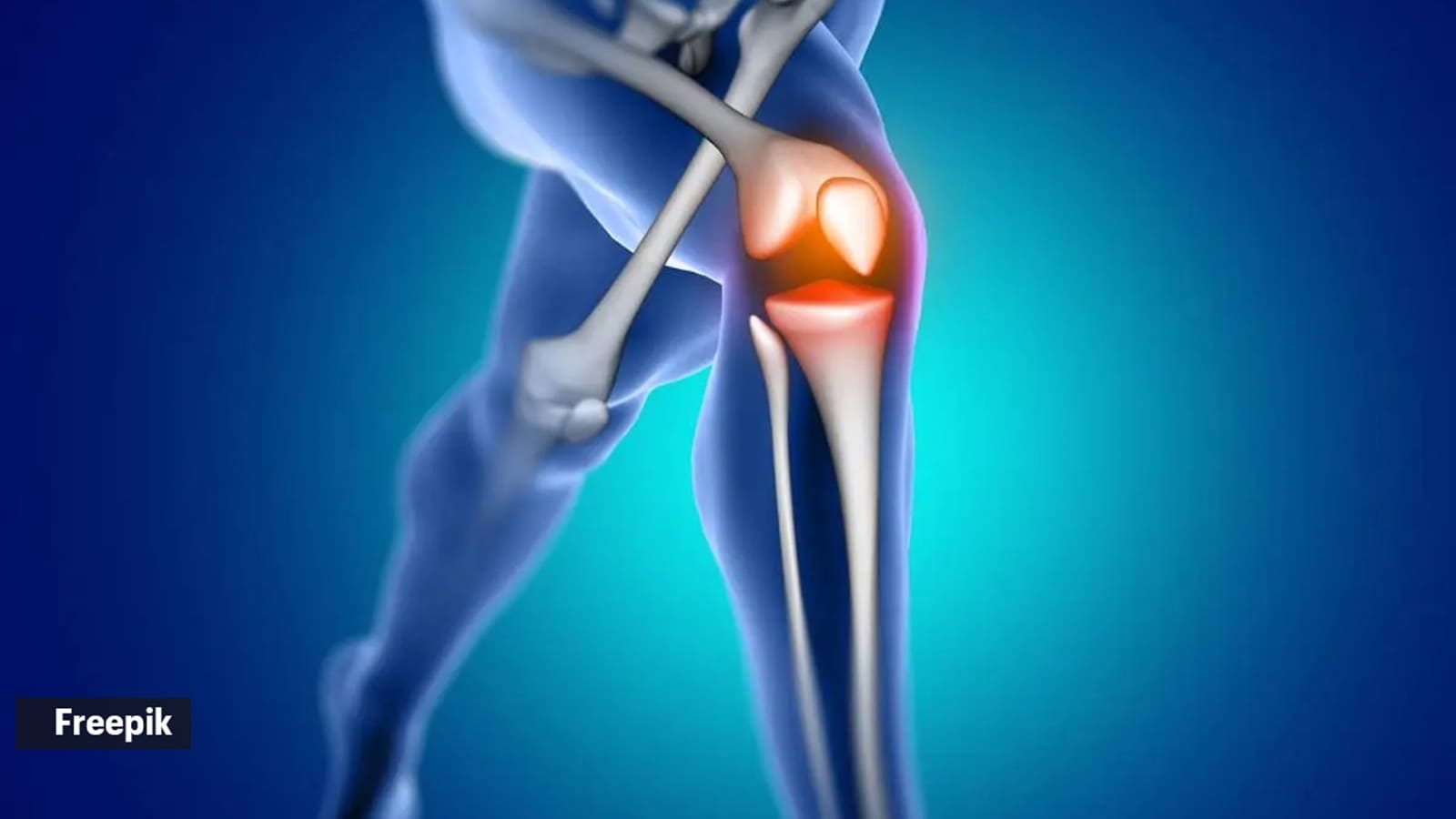 Here’s what you should consider about regenerative therapies (Photo: Freepik)
What exactly happens in stem cell or bone marrow-based knee treatments?
Dr Patel said the patient’s bone marrow aspirate is obtained and injected into the affected joint. “This aspirate contains cells with regenerative potential that may help reduce inflammation and support the repair of cartilage and soft tissue. These treatments are not instant cures, but they work gradually over weeks to months,” said Dr Patel.
Story continues below this ad
How does this compare with platelet-rich plasma (PRP) therapy, which she also mentioned?
PRP involves concentrating platelets from the patient’s blood and injecting them into injured areas. “Platelets release growth factors that assist in healing. PRP is commonly used for tendon, ligament, and early joint problems, often on its own or as a boost alongside other regenerative therapies,” said Dr Patel.
Can such treatments really speed up recovery compared to conventional approaches?
Recovery can feel faster than natural healing alone, but it’s important to be realistic, according to Dr Patel. “Improvement usually happens gradually. A reported 70 to 80 per cent improvement over two to three months is encouraging, but continued rehabilitation is essential to maintain results,” said Dr Patel.
Do these therapies help patients avoid surgery?
Story continues below this ad
For some patients, yes. Those with early-stage degeneration, partial cartilage damage, or sports-related injuries may delay or reduce the need for surgery with regenerative therapies. However, they are not a suitable replacement for surgery in cases of advanced arthritis or severe structural damage, Dr Patel noted.
Are these treatments suitable for everyone?
No, stressed Dr Patel, adding: “Outcomes depend on age, extent of damage, body weight, activity level, and adherence to physiotherapy. Younger patients and those with early disease typically respond better.”
DISCLAIMER: This article is based on information from the public domain and/or the experts we spoke to. Always consult your health practitioner before starting any routine.
