
3 min readNew DelhiMar 8, 2026 08:00 AM IST
High blood sugar is often viewed as a lifelong condition that demands immediate medication. But that is not always true — especially in the early or borderline stages. According to Dr Pranav Ghody, Consultant Endocrinologist & Diabetologist, Wockhardt Hospital, Mumbai Central, lifestyle plays a powerful role in determining whether blood sugar levels stabilise or spiral.
“In early or borderline cases, blood sugar can often be controlled through weight management, regular physical activity, and consistent eating habits,” says Dr Ghody. However, he cautions that this does not apply to every case.

When can lifestyle changes be enough?
For individuals with prediabetes or newly detected mild elevations, even modest changes can yield meaningful improvements, explains Dr Ghody. “Many people see improvement when they lose even a small amount of weight and stay active daily.”
Fat loss, particularly around the abdomen, improves insulin sensitivity, allowing the body to use glucose more efficiently, he adds.
But medication becomes necessary under certain circumstances. “If sugar levels remain high despite sincere lifestyle efforts, if symptoms are severe, or if there is a risk of long-term organ damage, medication is unavoidable,” says Dr Ghody.
He emphasises that uncontrolled diabetes can silently damage the kidneys, eyes, nerves, and heart. In such cases, delaying medication can be risky.
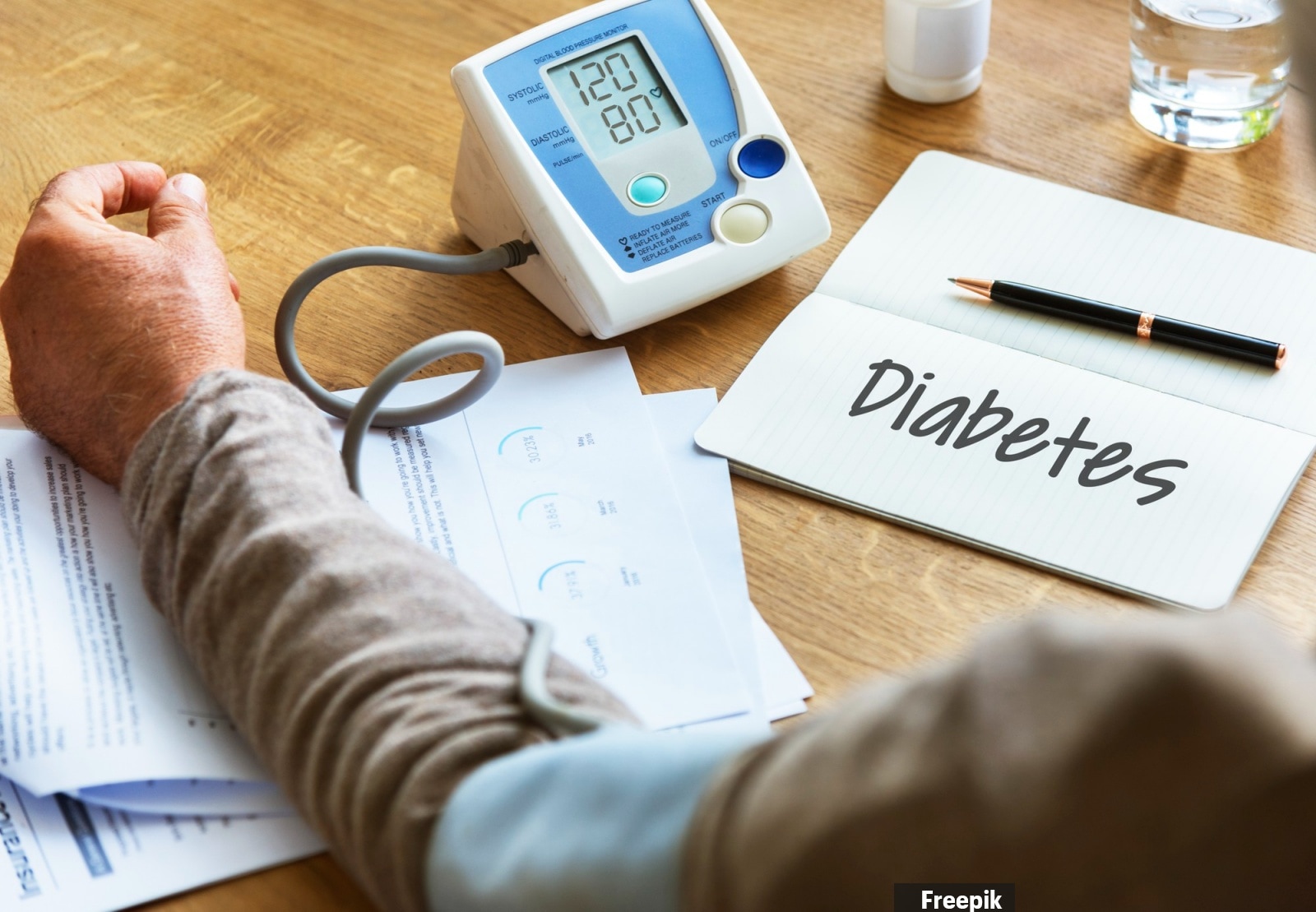 Is it possible to get rid of diabetes without medication? (Photo: Freepik)
The most effective dietary shifts — especially for Indians
- “Balanced meals with more vegetables, pulses, curd, nuts, and whole grains help slow sugar absorption,” advises Dr Ghody.
- Portion control is just as important as food choice.“Traditional foods can be included, but quantity matters. Large portions of rice or roti can still spike sugar levels,” he explains.
- Certain foods, however, are best limited. “White rice, refined flour products, sweets, sugary beverages, and frequent fried snacks can cause sharp glucose spikes and should be restricted,” says Dr Ghody.
- He recommends home-cooked meals and evenly spaced eating patterns to avoid sudden fluctuations.
Exercise, sleep, and stress
While diet gets most of the attention, movement and recovery are equally critical. “Regular movement increases insulin sensitivity, helping glucose enter the cells instead of remaining in the bloodstream,” Dr Ghody explains.
Story continues below this ad
Even simple habits count. “A daily brisk walk can significantly improve blood sugar readings,” he adds.
Sleep and stress, often ignored, have direct hormonal effects. “Poor sleep and chronic stress increase hormones like cortisol, which push blood sugar levels higher,” says Dr Ghody.
DISCLAIMER: This article is based on information from the public domain and/or the experts we spoke to. Always consult your health practitioner before starting any routine
