
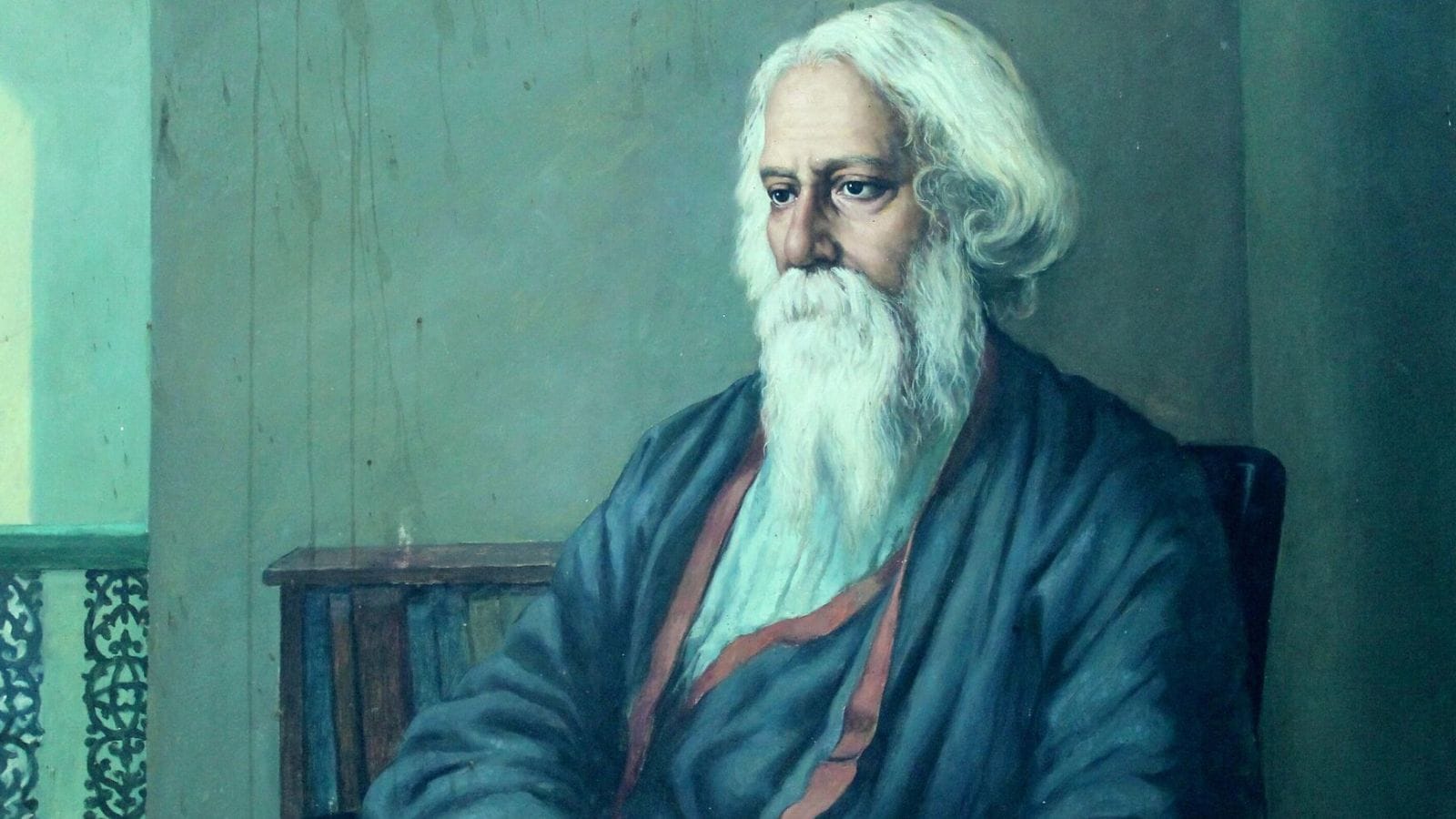
Rabindranath Tagore remains one of the most towering figures in Indian literature and cultural history. Known for his poetry, songs, essays and ideas, his influence travelled far beyond India. Long before global recognition came his way, Tagore was already a celebrated writer in Bengal. His work spoke about life, faith, nature and humanity. In 1913, that voice reached the world stage in an unprecedented way. That year marked a turning point not only for Tagore but also for Asia Also See: |
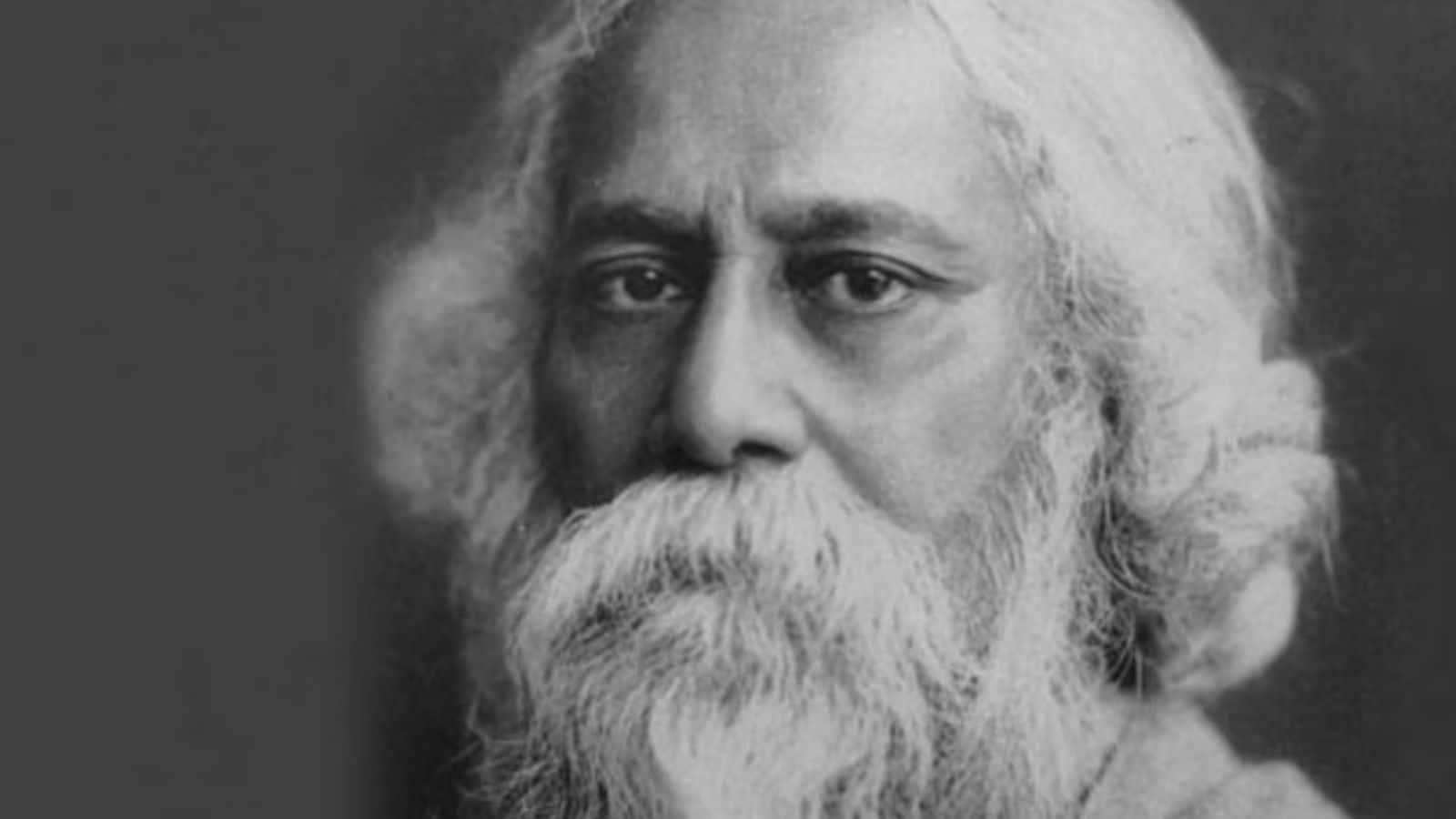
The Nobel Prize in Literature 1913 was awarded to Rabindranath Tagore “because of his profoundly sensitive, fresh and beautiful verse, by which, with consummate skill, he has made his poetic thought, expressed in his own English words, a part of the literature of the West,” as noted on the official Nobel Prize website. With this honour, Tagore became the first Asian to win a Nobel Prize in any category. He was also the first lyricist and the first non-European to receive the Nobel Prize in Literature.
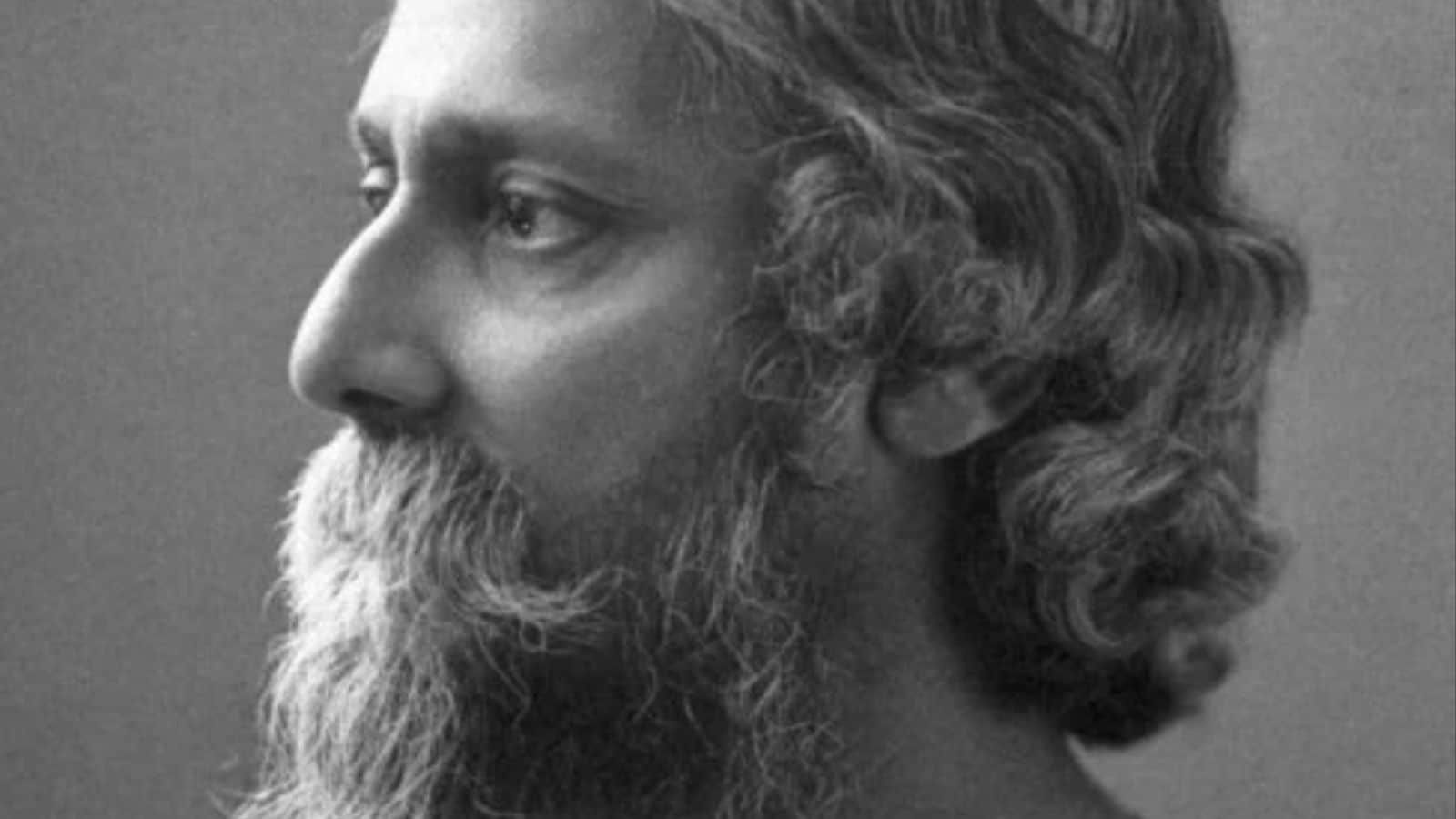
The award was given for his collection of poems, Gitanjali (Song Offerings). “Tagore’s Gitanjali: Song Offerings (1912), a collection of religious poems, was the one of his works that especially arrested the attention of the selecting critics,” the Nobel website stated. “I beg to convey to the Swedish Academy my grateful appreciation of the breadth of understanding which has brought the distant near, and has made a stranger a brother,” he wrote in a telegram which was read by Clive, British Chargé d’Affaires, at the Nobel Banquet at Grand Hôtel, Stockholm, on December 10, 1913.
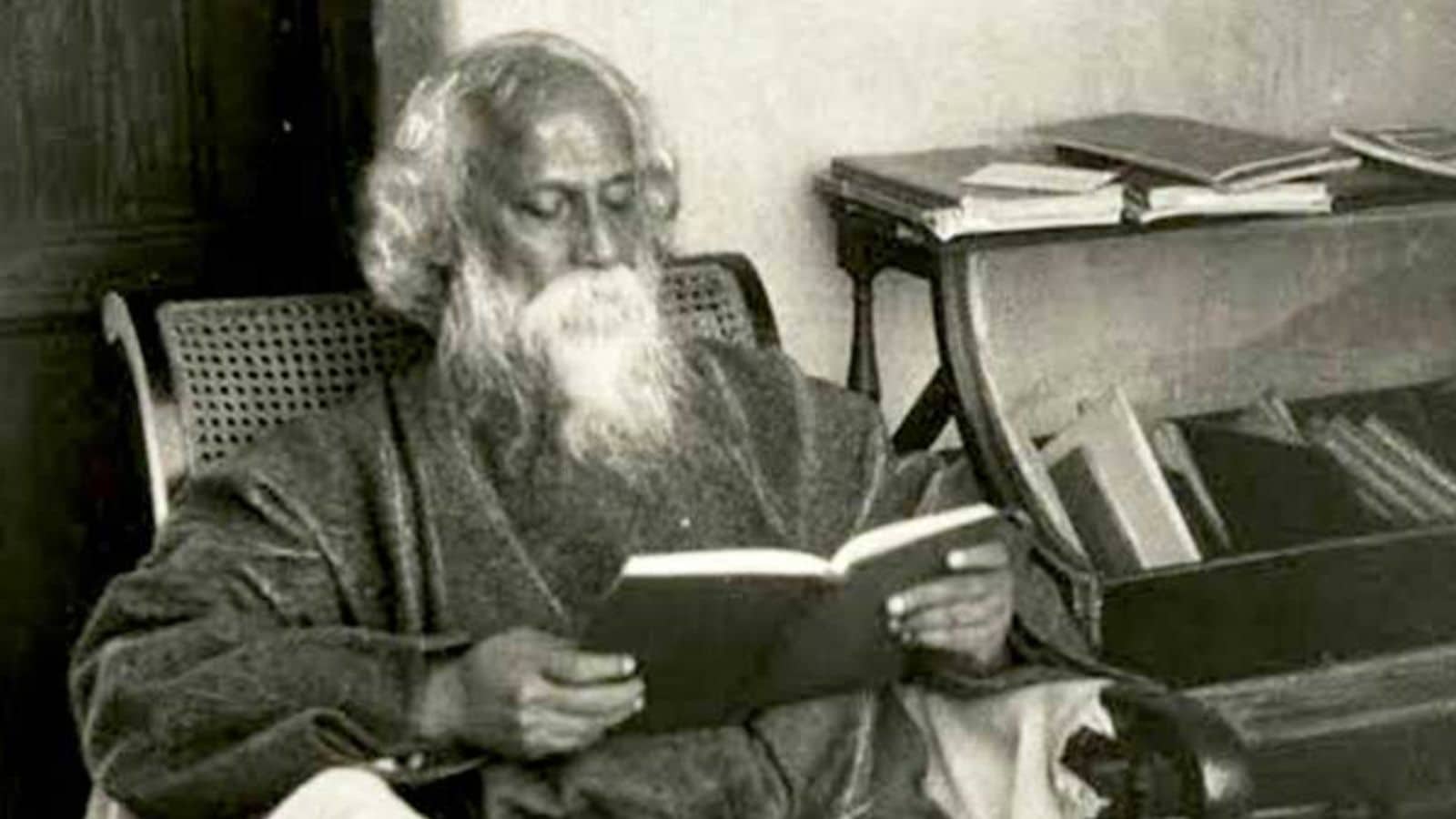
The 1913 Nobel Prize shortlist included several well-known literary names of the time. Tagore was nominated by poet Thomas Sturge Moore. Other nominees included Carl Spitteler, Ernst von der Recke, Verner von Heidenstam, Thomas Hardy, Anatole France and Benito Pérez Galdós. Carl Spitteler received the highest number of nominations that year. Despite strong competition, Tagore’s work stood out before the Nobel committee.
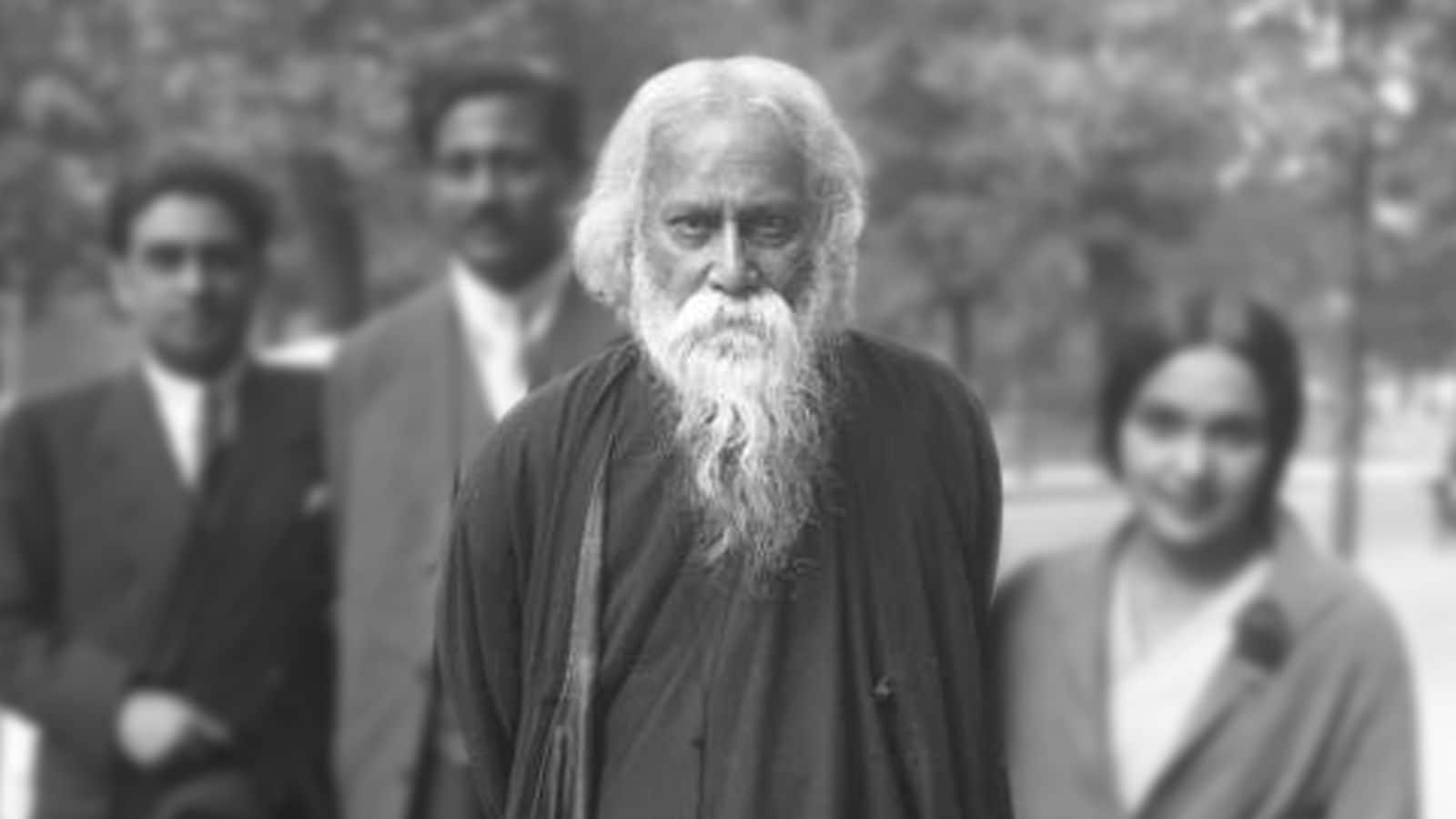
Looking at his life, Tagore was born in Calcutta in 1861 into a prominent family. He was the youngest son of Debendranath Tagore, a leading figure of the Brahmo Samaj. Tagore was mostly educated at home rather than in formal schools. At the age of 17, he was sent to England for further studies. But he did not complete his education there and returned to India.Looking at his life, Tagore was born in Calcutta in 1861 into a prominent family. He was the youngest son of Debendranath Tagore, a leading figure of the Brahmo Samaj. Tagore was mostly educated at home rather than in formal schools. At the age of 17, he was sent to England for further studies. But he did not complete his education there and returned to India.

Tagore began writing poetry at a very young age. After returning from England in the late 1870s, he slowly built his literary career in India. From the 1880s onward, he published several volumes of poetry. His early works earned him recognition in Bengal’s literary circles. Over time, his writing grew more experimental and philosophical. By the turn of the century, he was already a well-known name in Indian literature.
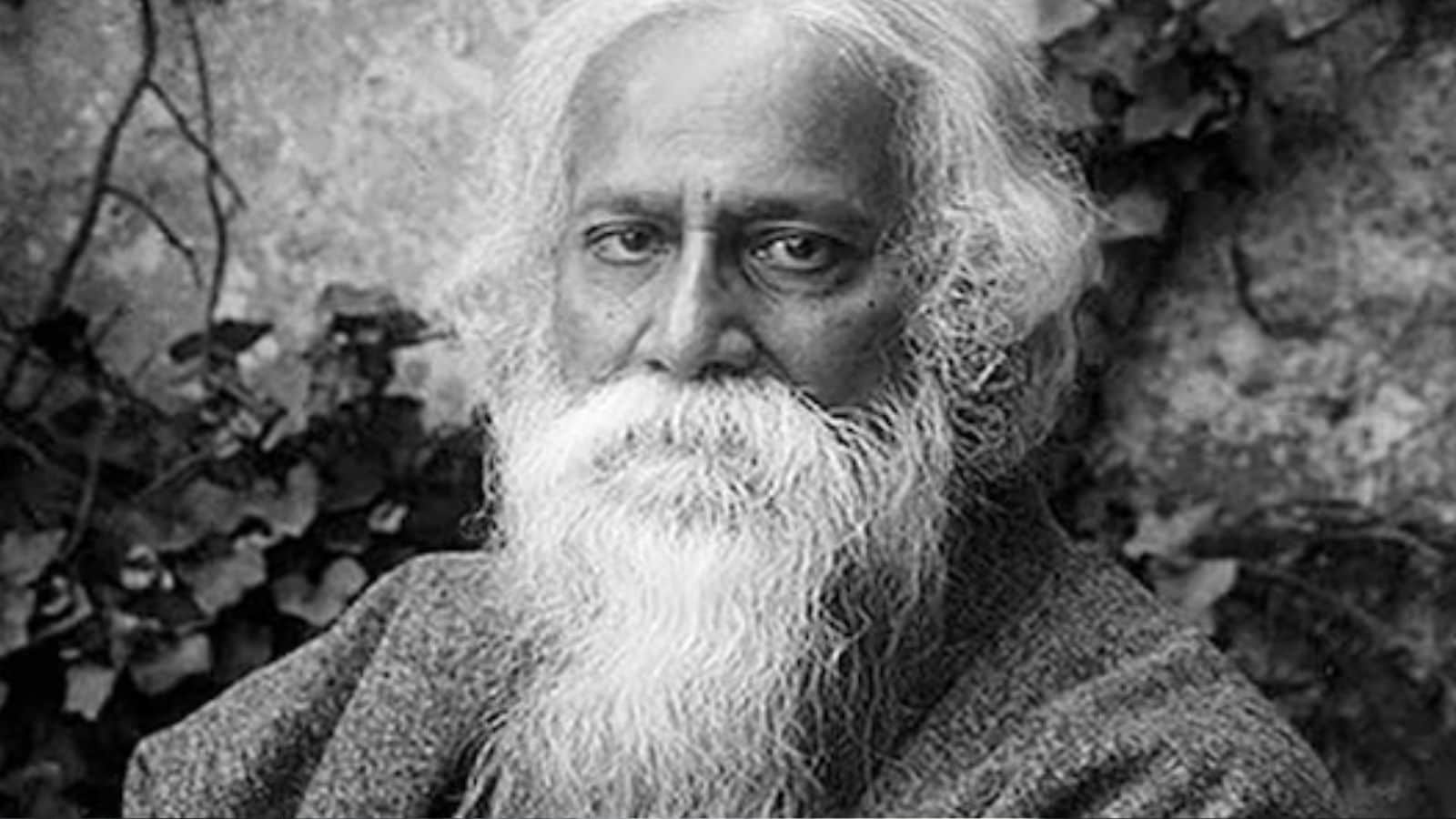
In 1901, Tagore set up an experimental school at Shantiniketan to put his ideas on education into practice. The school was shaped by his belief in learning inspired by the Upanishads. He also stayed connected to the Indian nationalist movement though he followed his own thoughtful and independent path. Mahatma Gandhi shared a close bond of respect and friendship with him.
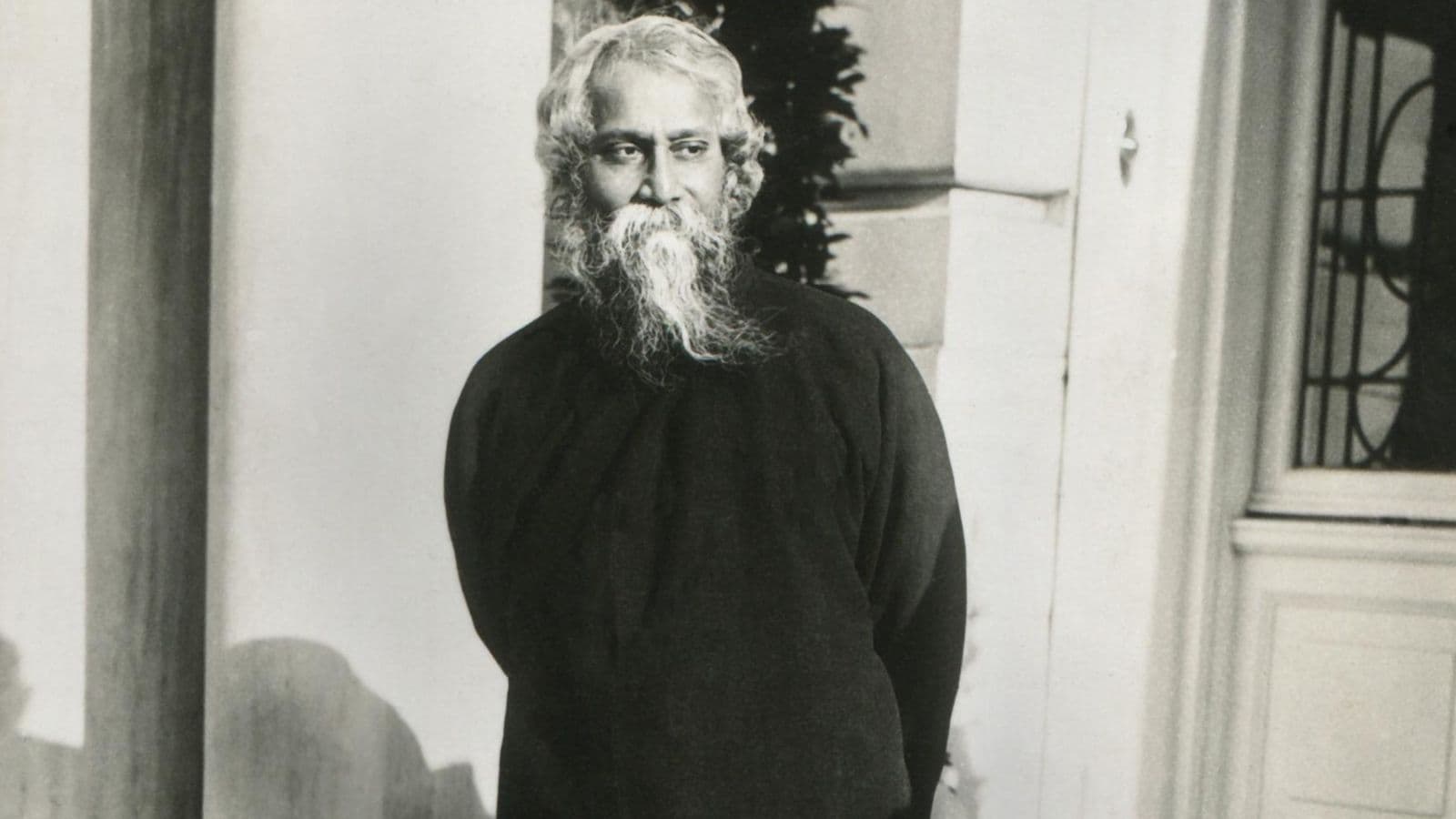
Tagore’s writing covered many forms beyond poetry. He wrote songs, short stories, novels, plays, essays and travel diaries. His stories often portrayed the everyday lives of ordinary people. Social human relationships and moral questions appeared frequently in his work. Though he wrote mainly in Bengali, his English translations brought him global readers.
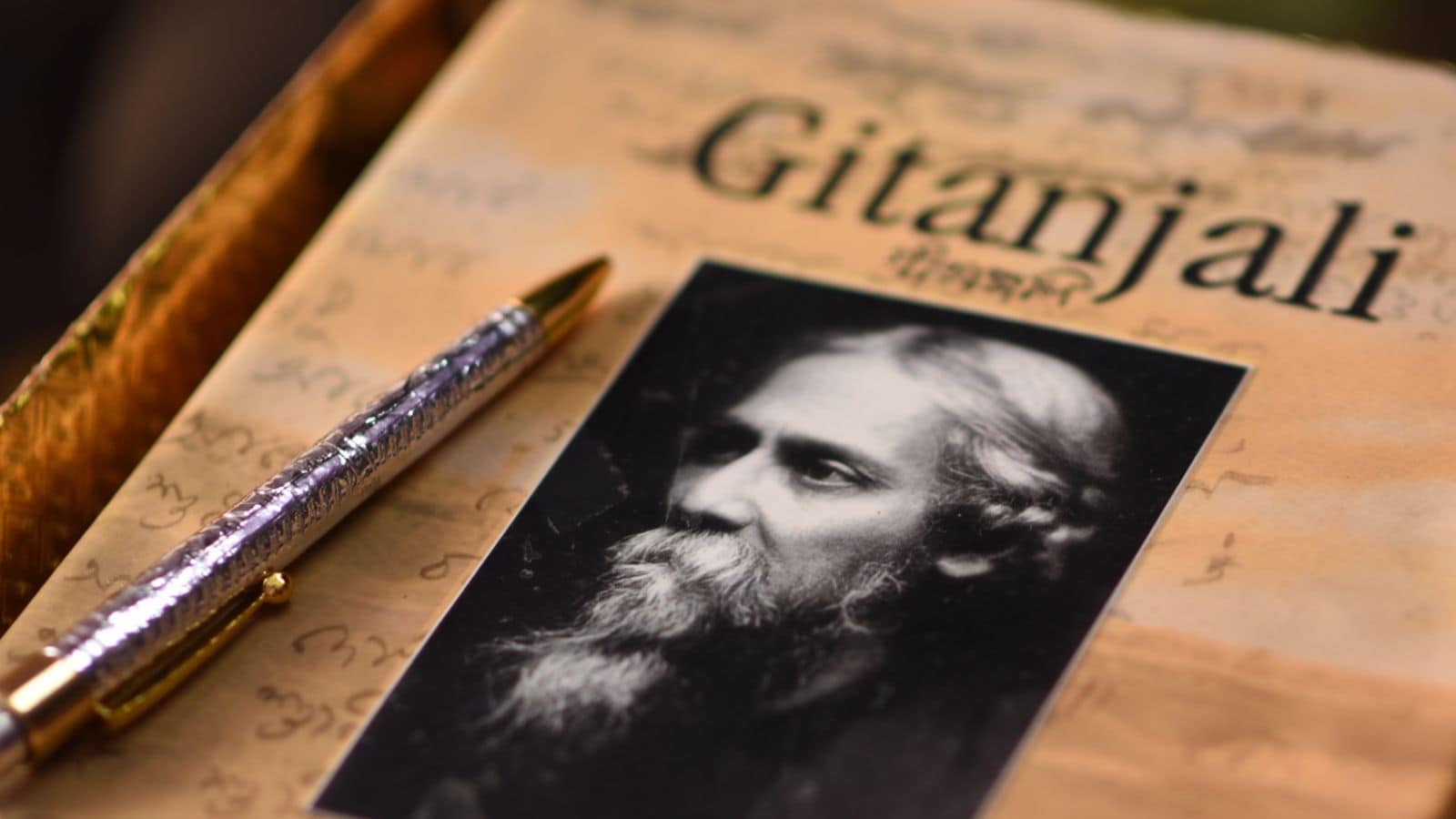
Apart from Gitanjali, his poetry collections included Manasi, Sonar Tari, Gitimalya and Balaka. His English works included The Gardener, Fruit-Gathering and The Fugitive. Tagore also wrote major plays such as Raja, Dakghar, Achalayatan, Muktadhara and Raktakaravi. His novels included Gora, Ghare-Baire and Yogayog. Alongside writing, he composed music and created paintings.
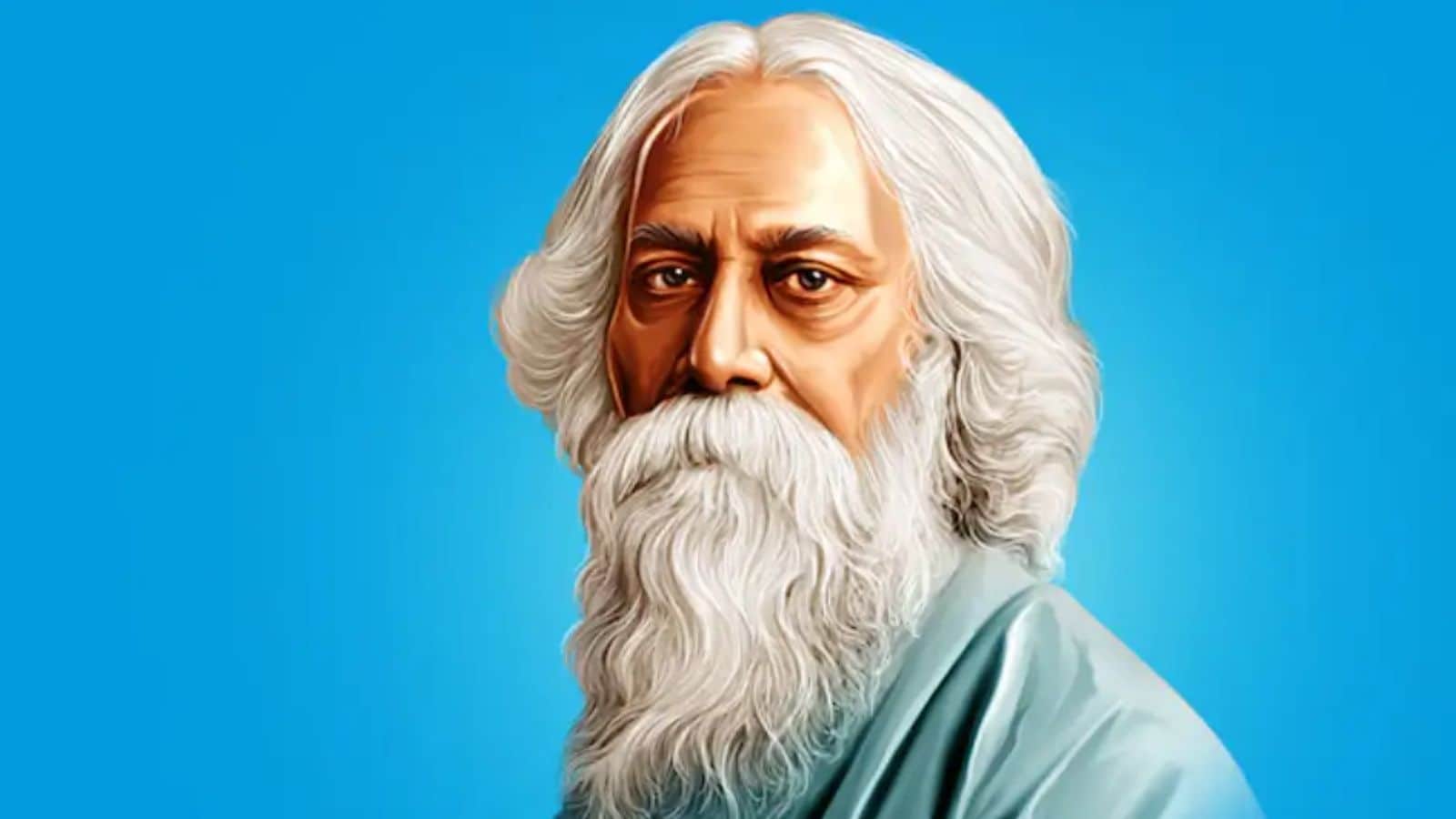
Tagore travelled widely across Europe, the Americas and East Asia. He delivered lectures, read poetry and spoke about India’s cultural traditions. While he supported India’s freedom movement, he followed his own thoughtful path. He was knighted by the British government in 1915. A few years later, he returned the title as a protest against British actions in India. Tagore passed away on August 7, 1941.
