
In this hyper-competitive year of memory shortages and rising price tags, Nothing decided to skip the launch of its flagship device. Indeed, such crises affect smaller players more than larger ones. Rising price tags among Chinese smartphone brands have forcefully pushed devices launched in 2025 into higher segments, which automatically brings down their overall value. The typical buyer, unaware of the above situation, needs only to know two things: what he/she can afford to spend on a smartphone and the value that smartphones offer at that price point.
As is obvious, there’s a noticeable price bump between the mid-range Nothing Phone 3a Pro, launched last year, and the new, premium Phone 4a Pro, launched this year. The Nothing Phone 3a Pro did well on the feature front last year, even though other brands offered better raw performance. And so, with a new premium price tag, there’s only one important factor that the Phone 4a Pro needs to cover. Can it now offer enough overall value as a premium device?
Nothing Phone 4a Pro Design: Unique and premium
- Dimensions – 163 x 76.6 x 8mm
- Weight – 210g
- Durability – IP65
The Nothing Phone 4a Pro‘s design is a big departure from the Phone 3a Pro. And this needs to be the case, because the ‘a Pro’ has graduated from being a mid-range device to a premium one.
The chunky design with a plastic frame has been replaced by a modern, industrial-looking metal unibody made of aircraft-grade aluminium. Officially, it has only gotten a gram lighter than the Phone 3a Pro, but its slimmer overall dimensions make it easier to hold and less bulky. Adding to this newfound slim profile is the new camera module, which is a massive change from the highly subjective, cookie-shaped (and sized) camera module from the 3a Pro.
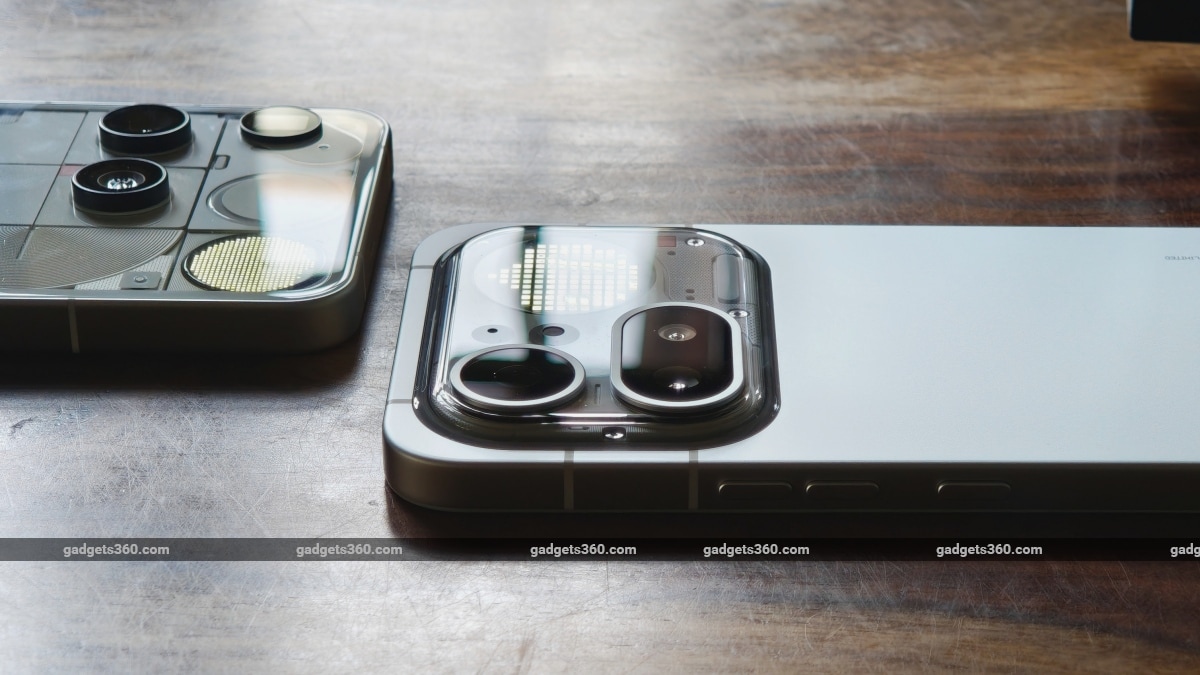
The Nothing Phone 4a Pro’s camera bump sure looks unique with its contoured transparent layout
The new camera module’s design actually reminds me of the Ear (a)‘s contoured, bubble-shaped case. It’s made out of polycarbonate, but it sure seems durable, as it did not pick up scratches despite being placed on a variety of surfaces and not being pampered. I even kept dropping the phone on purpose (frequently) from about 10 centimetres, so that the exposed transparent edge made contact with my wooden desk, but it did not crack. However, I’m not very confident about dropping this phone from waist level onto concrete. Thankfully, Nothing does offer a case in the box, which has a raised edge to protect this interesting-looking camera bubble, which I did not use during the entirety of this review. The camera dome also includes a visually watered-down version of Glyph Matrix, but more about this in the software section of this review.
This new design language can also be considered a new direction or ideology for Nothing’s premium smartphone lineup. It looks really good, especially in its Black finish, and the domed camera module with a reduced transparent section (down to a third of what we normally have) keeps things interesting while appearing mature to the premium-segment buyer. Whether Nothing continues this new metal unibody design with future ‘Pro’ models isn’t clear at the moment. But I do hope we will see more of this metal-and-glass combo in the next flagship model. My hopes aren’t too high as it will take away the wireless charging capabilities, which are one of the premium features in flagships. Maybe we could see a windowed version of this design, similar to the iPhone 17 Pro, on Nothing’s next flagship, whenever it arrives.
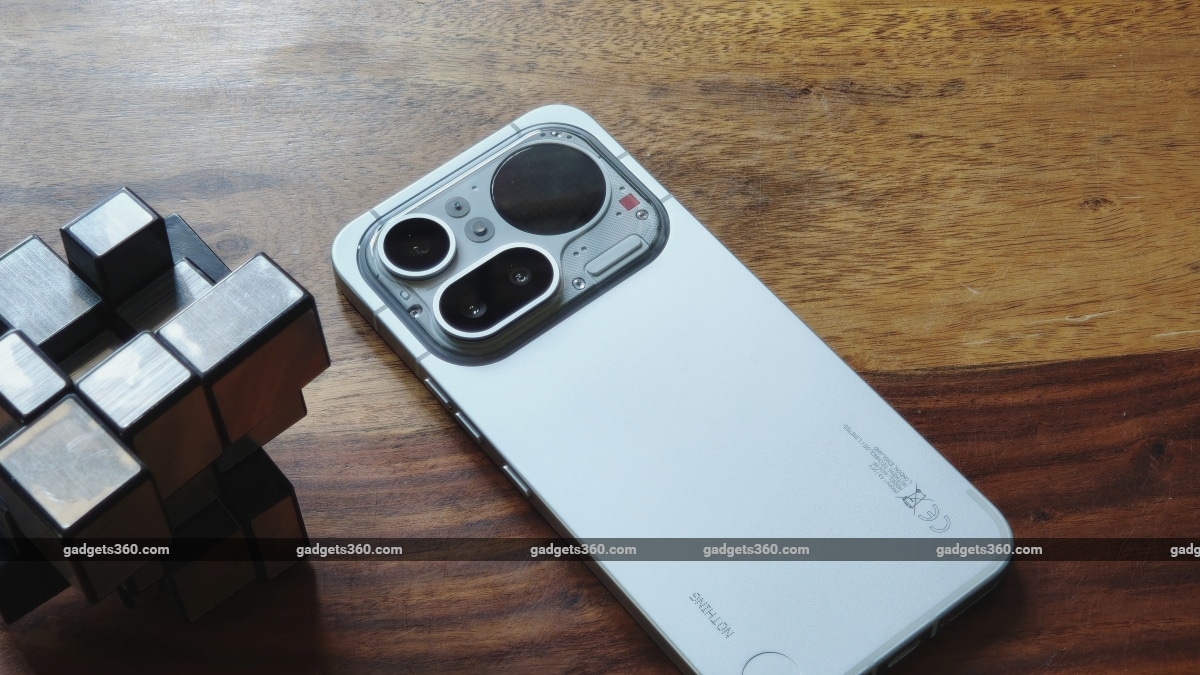
The last time we used a unibody metal design was on OnePlus’ Nord 4
As usual, things aren’t picture perfect. The radii or curvature of the camera dome weirdly do not match the curvature of the outer unibody frame. The placement of the buttons has swapped sides, so that will take some getting used to as well. Lastly, while the edges of the ports and buttons are machined to perfection, the inner edges at the rounded corners that hug the flat display glass are a bit sharp because they appear a bit raised. The straight edges feel seamless otherwise. This minor issue may also be limited to our review unit.
Nothing Phone 4a Pro Display: Premium-grade
- Display size – 6.83-inch, 1,260 x 2,800 pixels, 1.5K, 450 PPI
- Display type – 10-bit, AMOLED, LTPS, 60-90-120-144Hz
- Display protection – Gorilla Glass 7i
There are several upgrades that warrant the Nothing Phone 4a Pro’s premium price tag, including its display. It’s now bigger, offers a higher pixel density, making on-screen details appear sharper. This display is protected by Corning Gorilla Glass 7i, which also seems to have better scratch and drop resistance than the previous Panda glass and does not accumulate fingerprints and smudges as easily.
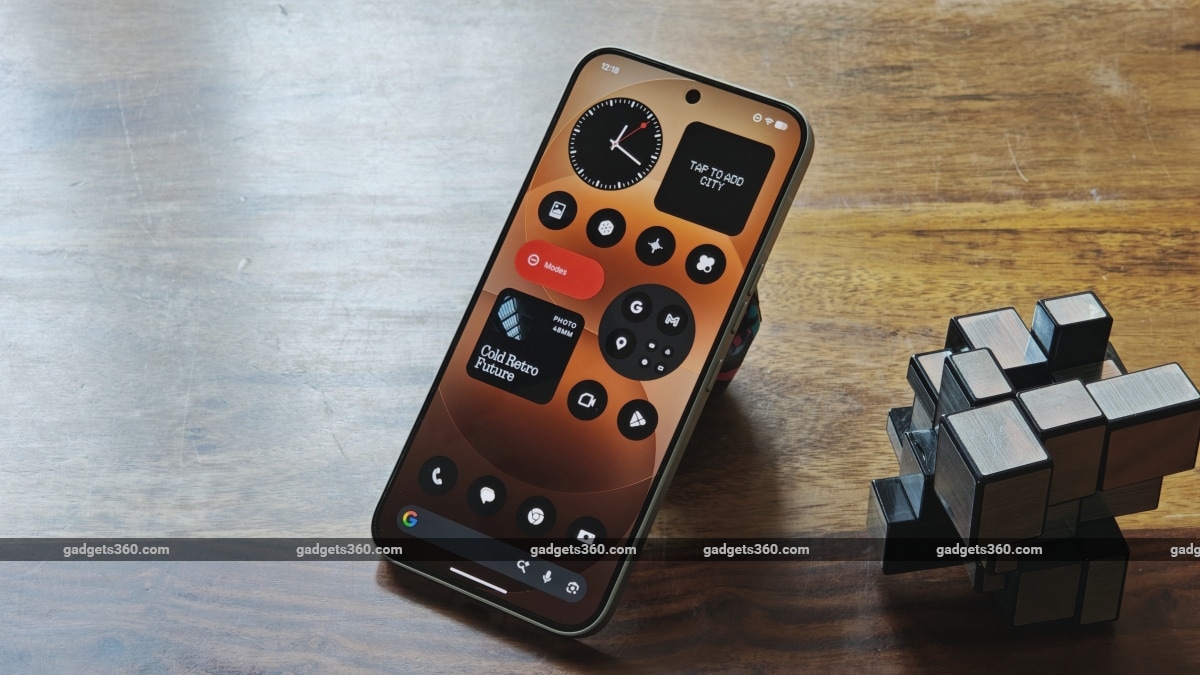
The Nothing Phone 4a Pro has a bigger display compared to the Phone 3a Pro
The Flexible AMOLED panel ensures the display has uniform, thin borders all around. The 1,600 nits in high-brightness mode and 5,000 nits in peak-brightness mode ensure the display is clearly visible in direct sunlight. Colours and sharpness are on point. Nothing claims that this display is HDR10 certified, and it is because the Gallery app shows off the Ultra XDR photos and recorded HDR video with deep contrast and ramped up brightness. But I couldn’t find support for this in the Netflix app, so it couldn’t display supported content as intended. The same also applies to the YouTube app, which showed HDR quality under playback options, but the footage did not appear as bright or as contrasted as it needed to be.
It is visually hard to tell the display’s claimed 144Hz refresh rate from the standard 120Hz refresh rate. I could not find support for the same when using the built-in tool in Android’s Developer options either. The maximum screen refresh rate is 120Hz, and it works both when playing games (depending on the title) and when browsing through the phone’s UI.
Nothing Phone 4a Pro Software: Smooth operator
- Android version -16
- Software – Nothing OS 4.1
- Software commitment – 3 years OS + 6 years SMRs
Nothing OS 4.1 remains strikingly unique in a sea of iOS 26 wannabe skins plaguing Android smartphones. With the latest version of the OS comes a few new features and two preinstalled third-party apps (Facebook and Instagram), which can be uninstalled if not needed. The Glyph Matrix, or Glyph Bar, now supports Android 16’s Live Updates. One can also add a new Relaxation Hub widget, and there’s easier access to Essential Apps that have been vibe-coded by random people.
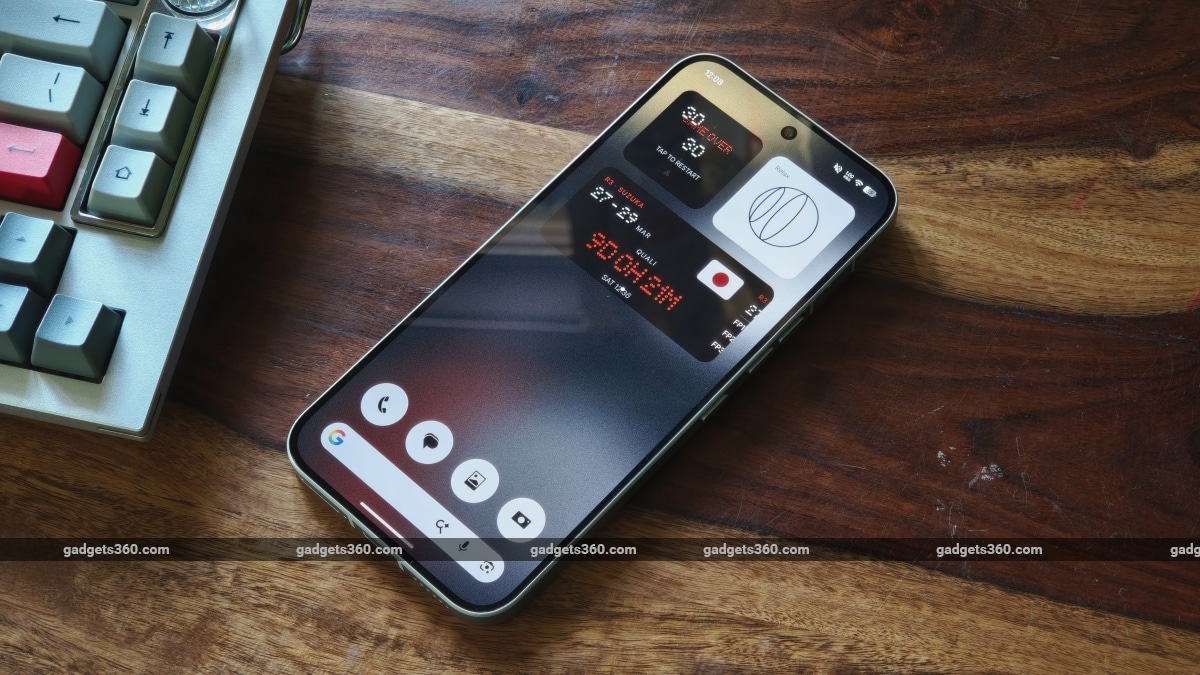
Essential Apps are now easy to find and install
I’m unclear about where these mini apps are in terms of security, but most of them are fun to use. I downloaded an F1 calendar widget that relays details (along with a countdown) about the next F1 race. You can also find some really random stuff that nobody asked for. Like this playful Bubble Flow animation widget, a countdown to Avengers: Doomsday or the Arcade Space Shooter, that was genuinely fun. As fun as it seemed, you can only pin two of these user-made widgets on your homescreen. Hopefully, Nothing raises this limit with future updates.
There is also an on-device AI Eraser tool that can remove pedestrians or remove reflections from an image. The tool works fine and is successfully able to remove pedestrians from a street scene, but it does leave behind some blurry spots, so it isn’t the cleanest edit.
The new Glyph Matrix has trickled down from the flagship Nothing Phone 3. As mentioned earlier, it is a watered-down version of the original by design and comes with three limitations. Firstly, it has fewer pixels, resulting in a more pixelated display, but some may actually appreciate this because the new Live Updates in Android 16 also bring scrolling text, which looks pretty cool. Secondly, there’s no auto-brightness feature like on the Phone 3, so you will have to adjust the panel’s brightness manually in Settings> Glyph Interface. Lastly, it’s not possible to control the Glyph Matrix like on the Phone 3 to play quick games and more.
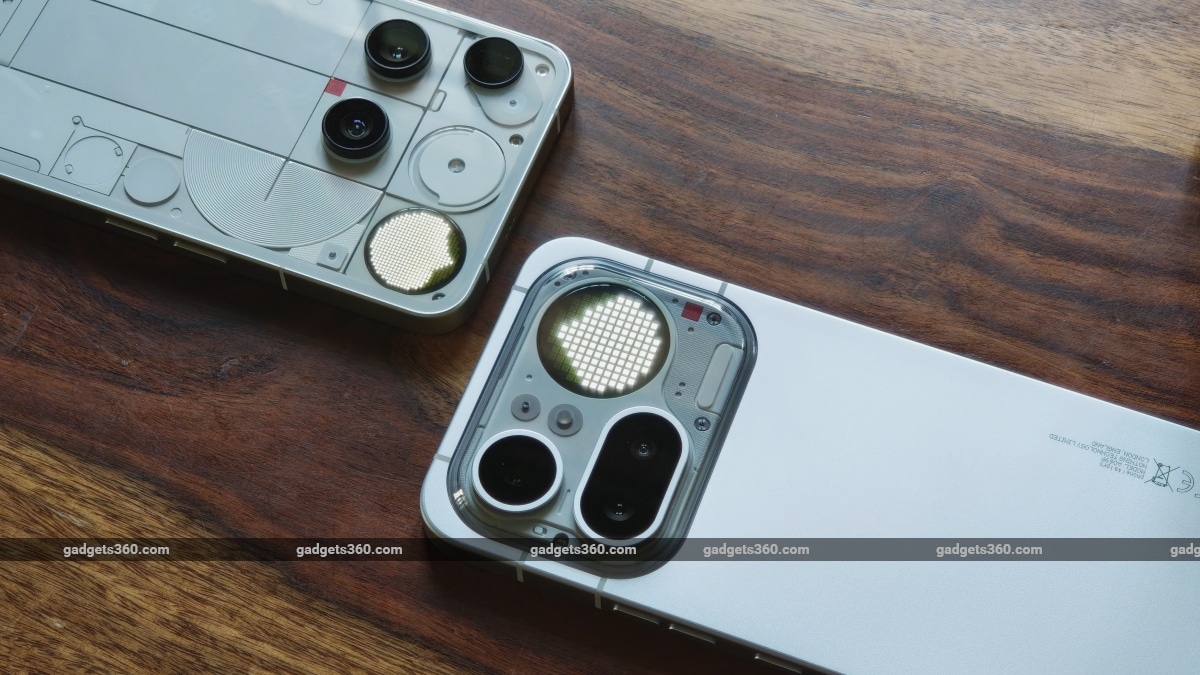
The Glyph Matrix on the Phone 4a Pro (right) has a lower resolution compared to the panel on the flagship Phone 3 (left)
I somehow prefer the Glyph Matrix over the Glyph Bar and previous implementations (Glyph Lights) of the same, as it can display more information, including scrolling text, and is definitely more useful when calling an Uber or ordering from Zomato, even though the status indicators are similar.
Nothing Phone 4a Pro Performance: BAU
- Processor – Qualcomm Snapdragon 7 Gen 4, 2.8GHz, 4nm
- RAM – 8/12GB (LPDDR5X)
- Storage – 128/256GB (UFS 3.1)
With its mid-range price tag, the Phone 3a Pro managed to get away with average performance. But its premium price tag may not justify its average performance, which remains nearly the same as its predecessor. Luckily for Nothing, which has always been conservative when it comes to spending on chips, the industry too seems to have settled on the same chipset. Only a few devices like the OnePlus 15R and the iQOO 15R offer better hardware at a higher starting price, but with basic camera hardware.
| Benchmarks | Nothing Phone 4a Pro | OnePlus 15R | Realme 16 Pro+ |
|---|---|---|---|
| Display resolution | 1.5K | 1.5K | 1.5K |
| Chipset | Snapdragon 7 Gen 4 | Snapdragon 8 Gen 5 (3nm) | Snapdragon 7 Gen 4 |
| AnTuTu v10 | 14,51,695 | 29,85,657 | 13,99,710 |
| PCMark Work 3.0 | 13,390 | 13,782 | 15,226 |
| Geekbench 6 Single | 1,382 | 2,813 | 1,352 |
| Geekbench 6 Multi | 4,389 | 9,375 | 3,976 |
| Geekbench AI CPU (Quantized) | 3,467 | FTR | 3,063 |
| Geekbench AI GPU (Quantized) | 1,196 | 3,182 | 1,233 |
| 3DM Wild Life | 7,651 | Maxed Out | 7,728 |
| 3DM Wild Life Unlimited | 7,731 | 21,253 | 7,778 |
| 3DM Steel Nomad Light | 779 | 2,032 | FTR |
Gaming performance is decent for its price tag. You can play games like Call of Duty: Mobile at High settings with a steady frame rate thanks to the display’s fast touch sampling rate, but heavier titles like Genshin Impact are best played at medium settings as performance suffers as the heat begins to build up internally. In our testing, Genshin Impact worked smoothly with Medium graphics at 60 fps. High graphics not only made the phone hot, but also saw a drop in frame rate from time to time. The phone does get a bit warm when using the camera app as well, but it never crashed.
As for the speakers, they do sound loud and clear. But a majority of the load is handled by the bottom-firing speaker, making the audio experience a bit one-sided when streaming video content.
Nothing Phone 4a Pro Cameras: A big leap
- Primary camera – 50-megapixel, f/1.9, PDAF, OIS
- Telephoto camera – 50-megapixel, f/2.9, periscope, 3.5x, PDAF OIS
- Ultrawide camera – 8-megapixel, f/2.2, 120-degree
- Selfie camera – 32-megapixel, f/2.2
The camera setup remains similar to the older Phone 3a Pro. To justify its premium price, Nothing has added (an 80mm) 3.5X optical zoom periscope telephoto camera to the mix, which is an improvement over the 3a Pro’s telephoto camera. Also new is the TrueLens Engine 4, which, according to Nothing, helps deliver more “true-to-life” photos. So, let’s see if the new imaging engine has made a difference.
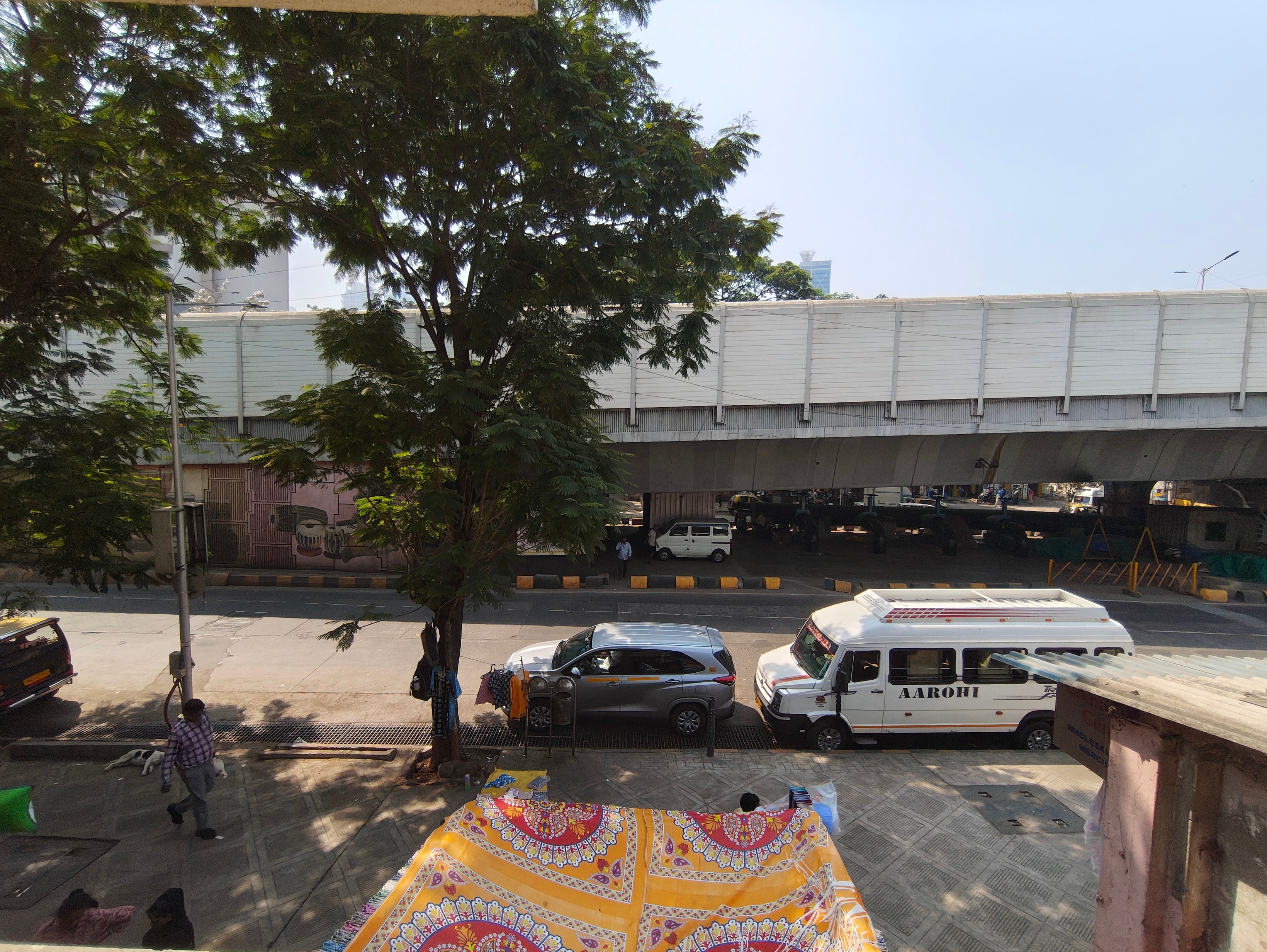
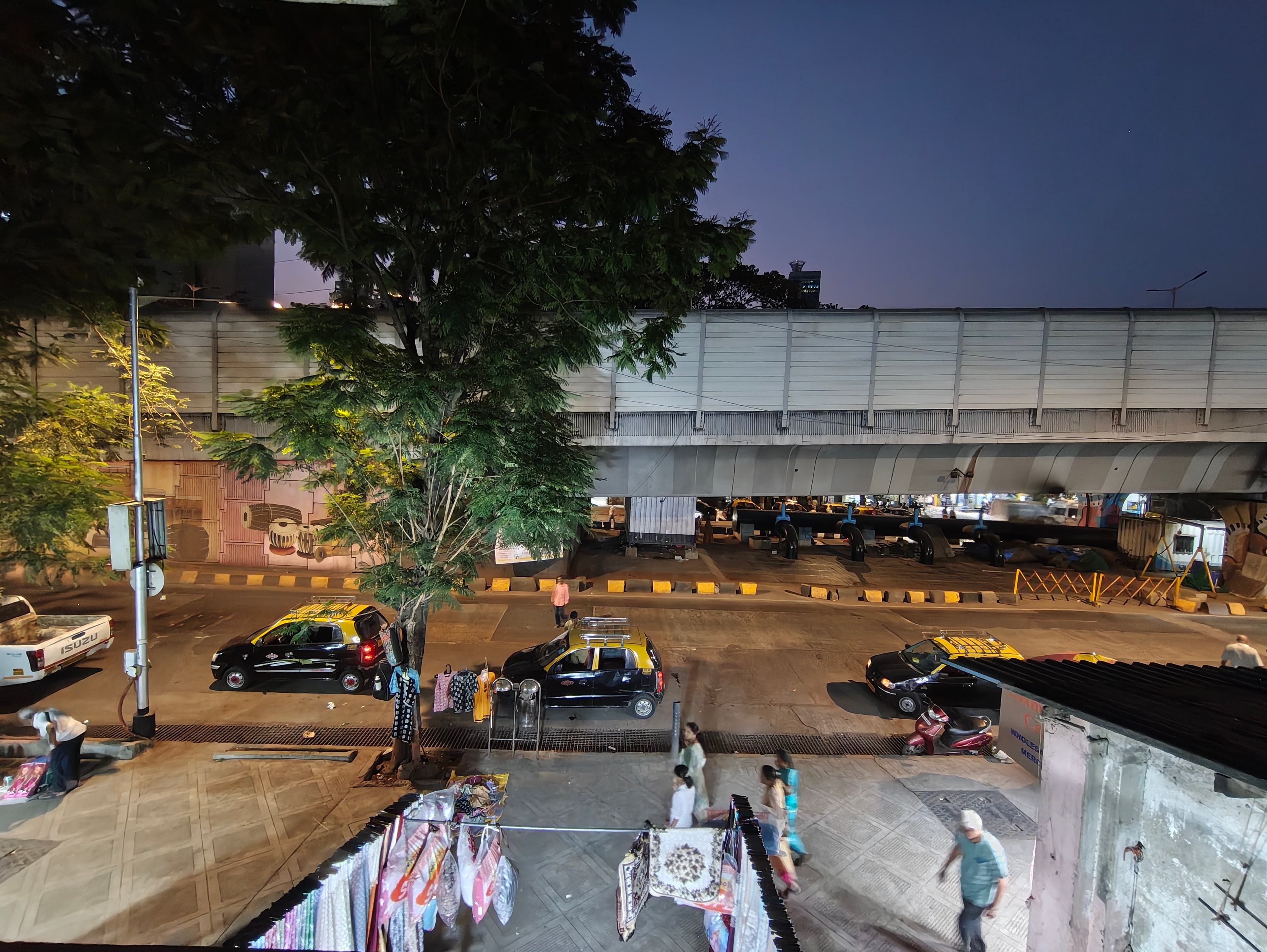
Nothing Phone 4a Pro ultrawide camera samples (tap images to expand)
The ultrawide camera is just decent given the phone’s price. The low-resolution sensor manages decent detail, but dynamic range is on the lower side, and so plenty of detail is lost in the shadows and brighter areas. In low-light the images once again aren’t bad but similar to the daylight shots with a bit of added noise. Indeed, Google’s Pixel 10a manages far better ultrawide photos but is priced higher.
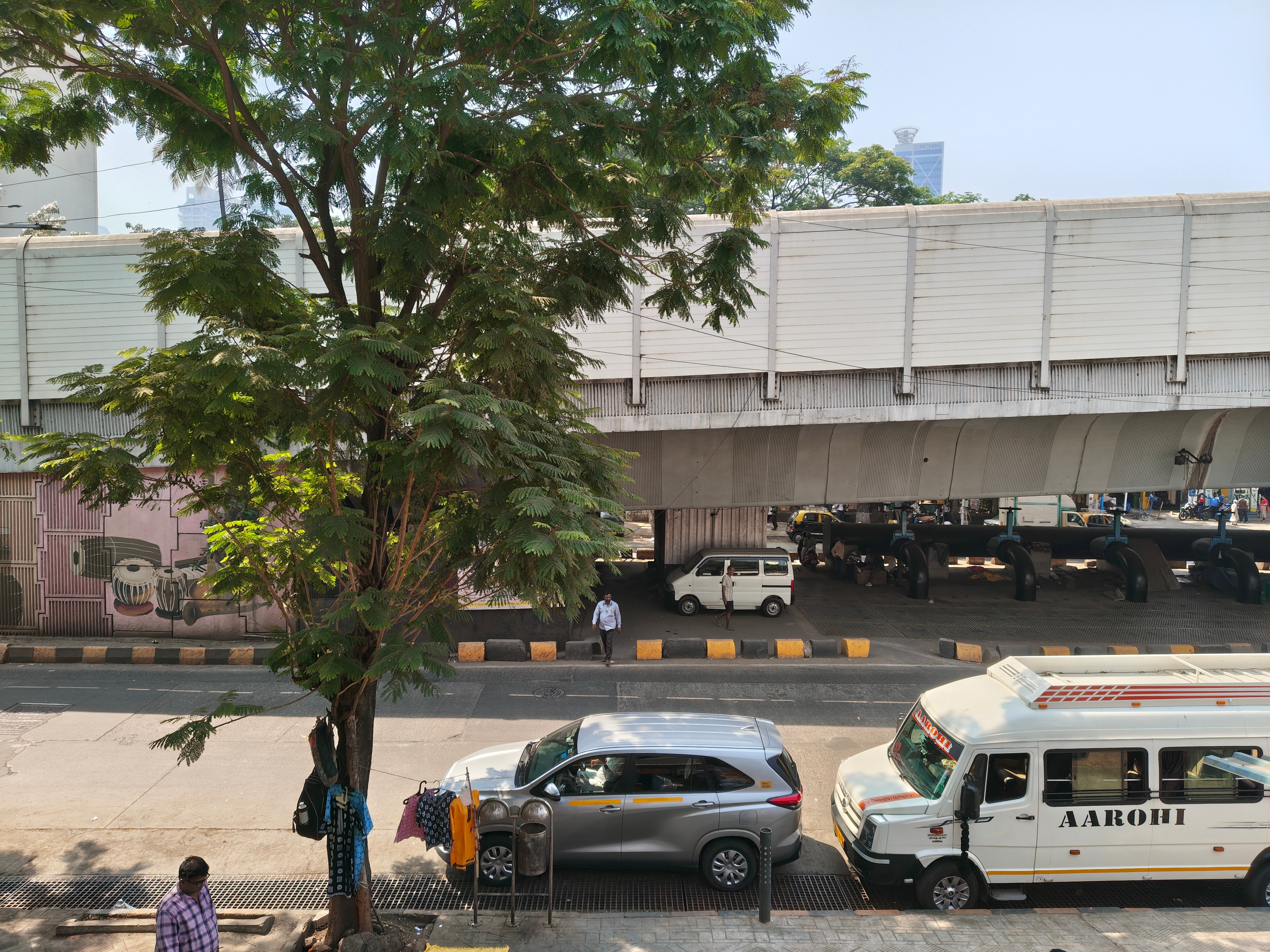

Nothing Phone 4a Pro primary camera samples (tap images to expand)
The primary camera manages quality images in daylight, showing good detail and excellent dynamic range. There are definitely some improvements in terms of colour processing, with photos showing very realistic and natural-looking colours. The photos aren’t oversharpened, and so there’s a good amount of detail available even after zooming in. 2X crops look good from afar and have slightly reduced detail, but are usable. Samples captured in low-light also show slightly lower detail, but good colour and excellent dynamic range. Low-light Portraits also look detailed and have accurate edge-detection.
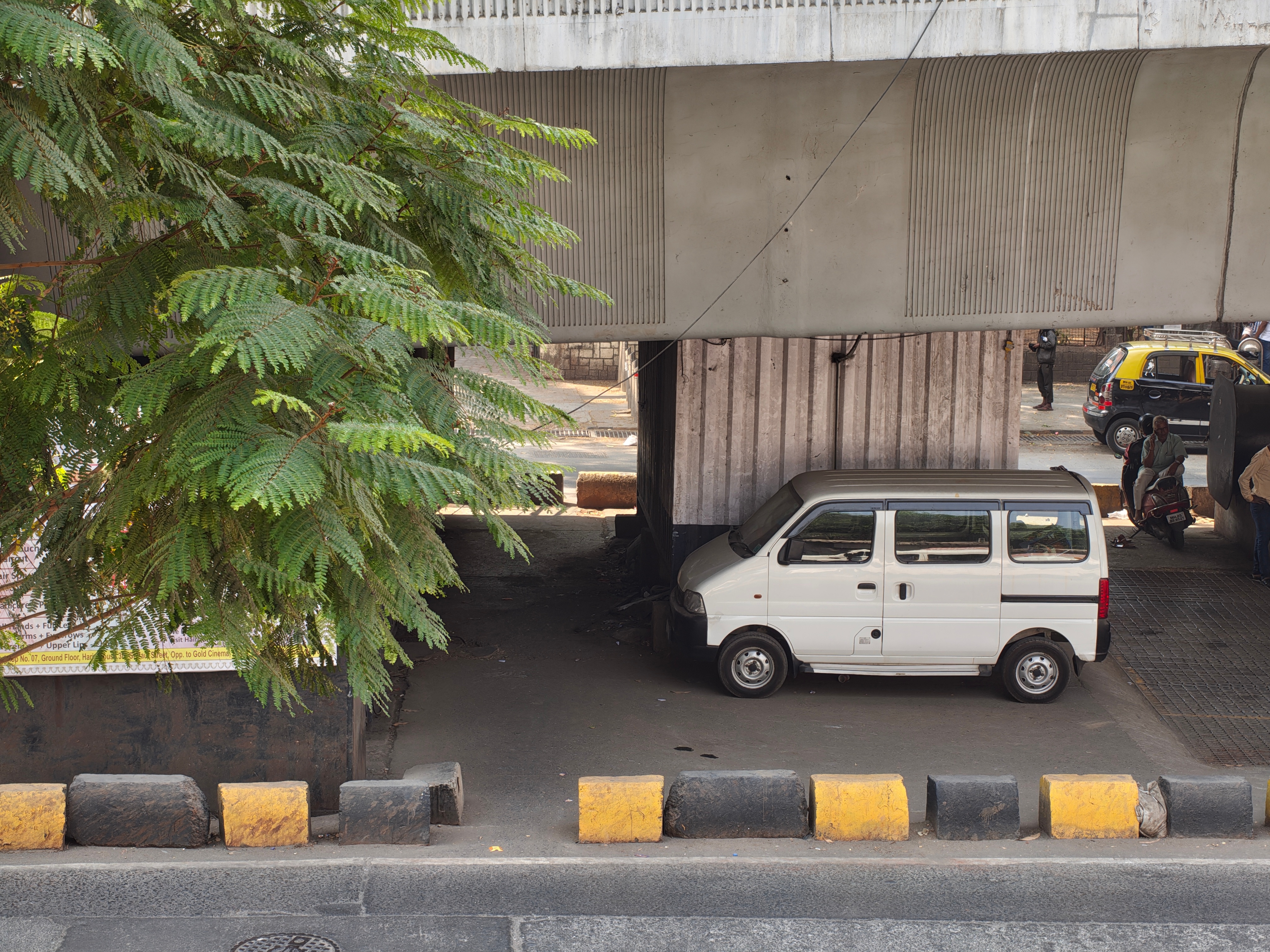
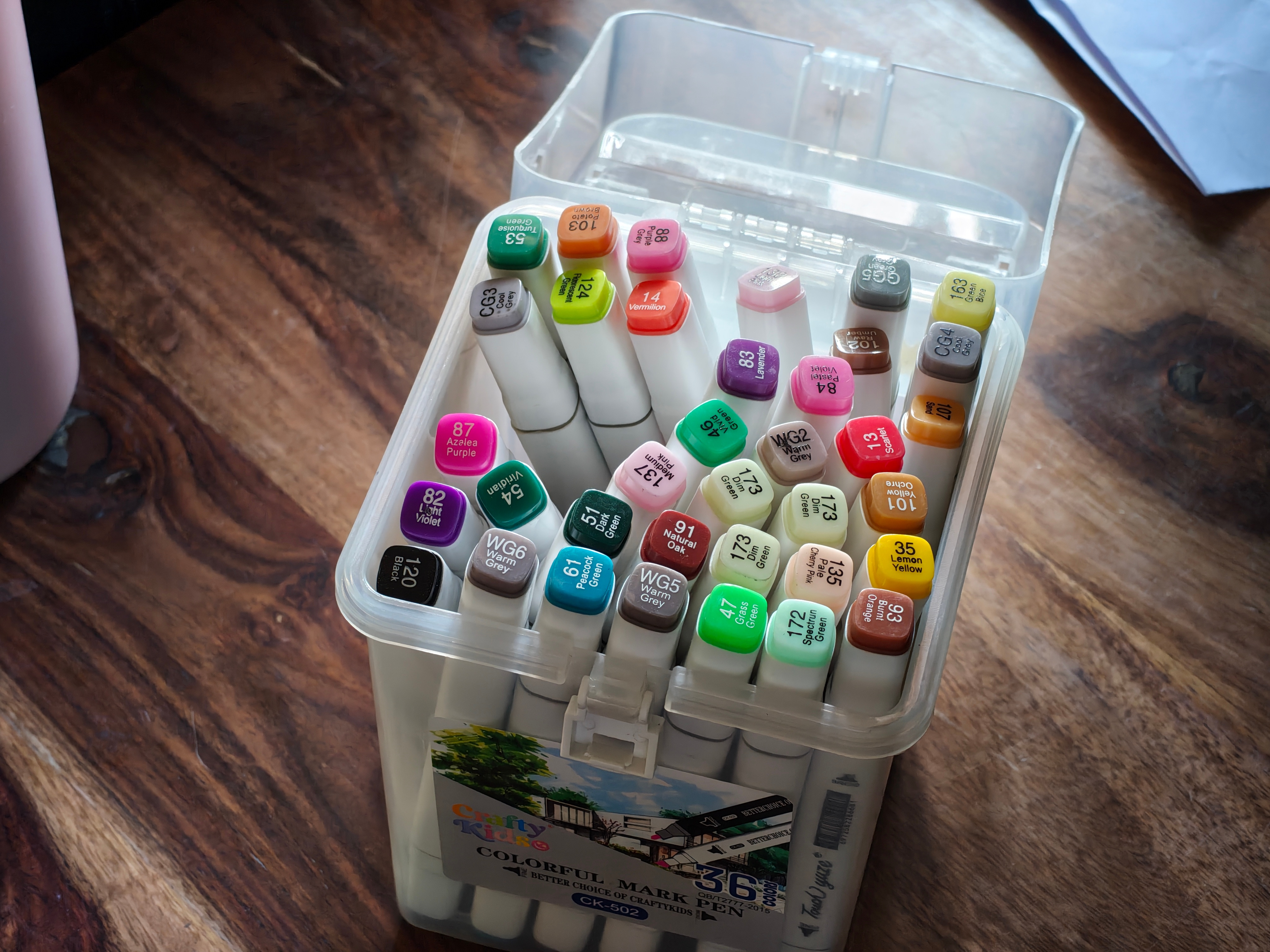
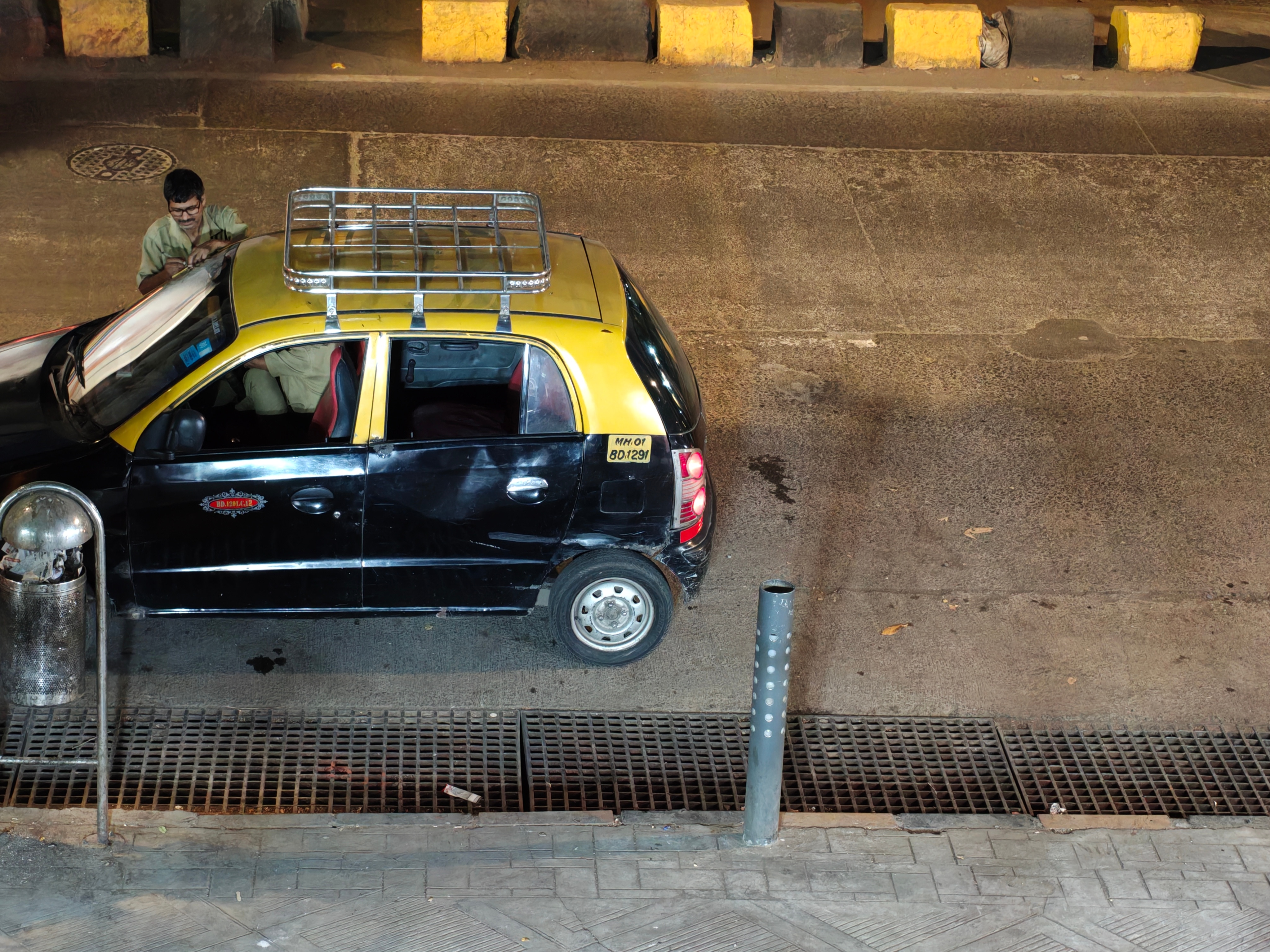
Nothing Phone 4a Pro 3.5x telephoto camera samples (tap images to expand)
The telephoto does a fine job of capturing sharp images in daylight with excellent detail. You can also get clean and usable shots with the 7X lossless digital zoom. Photos look good and detailed, even in low light. And you can also make use of the 7X zoom in low-light shooting scenarios as well. But AI-enabled image processing can make images appear slightly oversharpened in low light. One minor niggle about the 7X zoom is that the white balance always shifts to a slightly cooler tone, compared to the 3.5X photos.

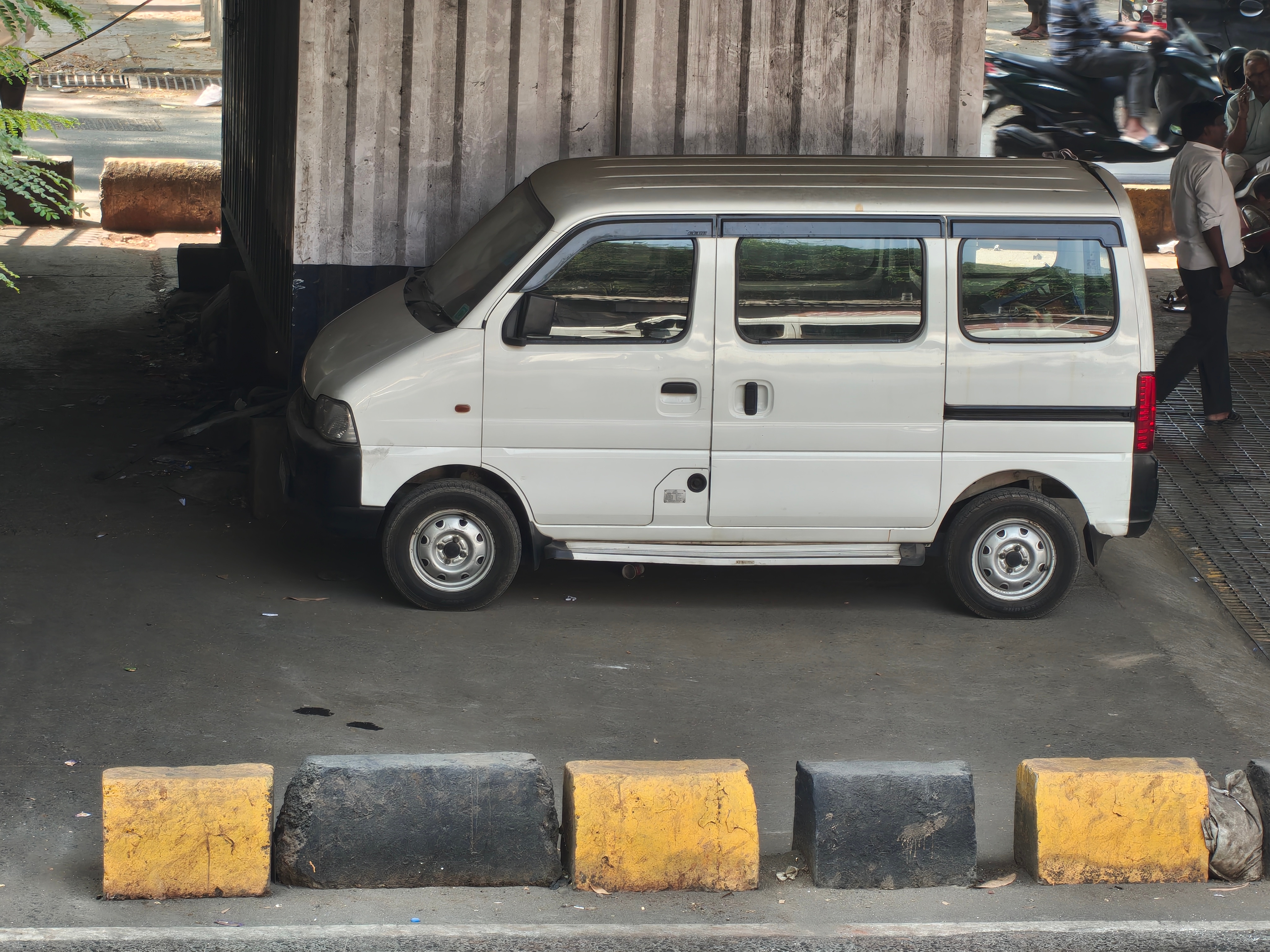
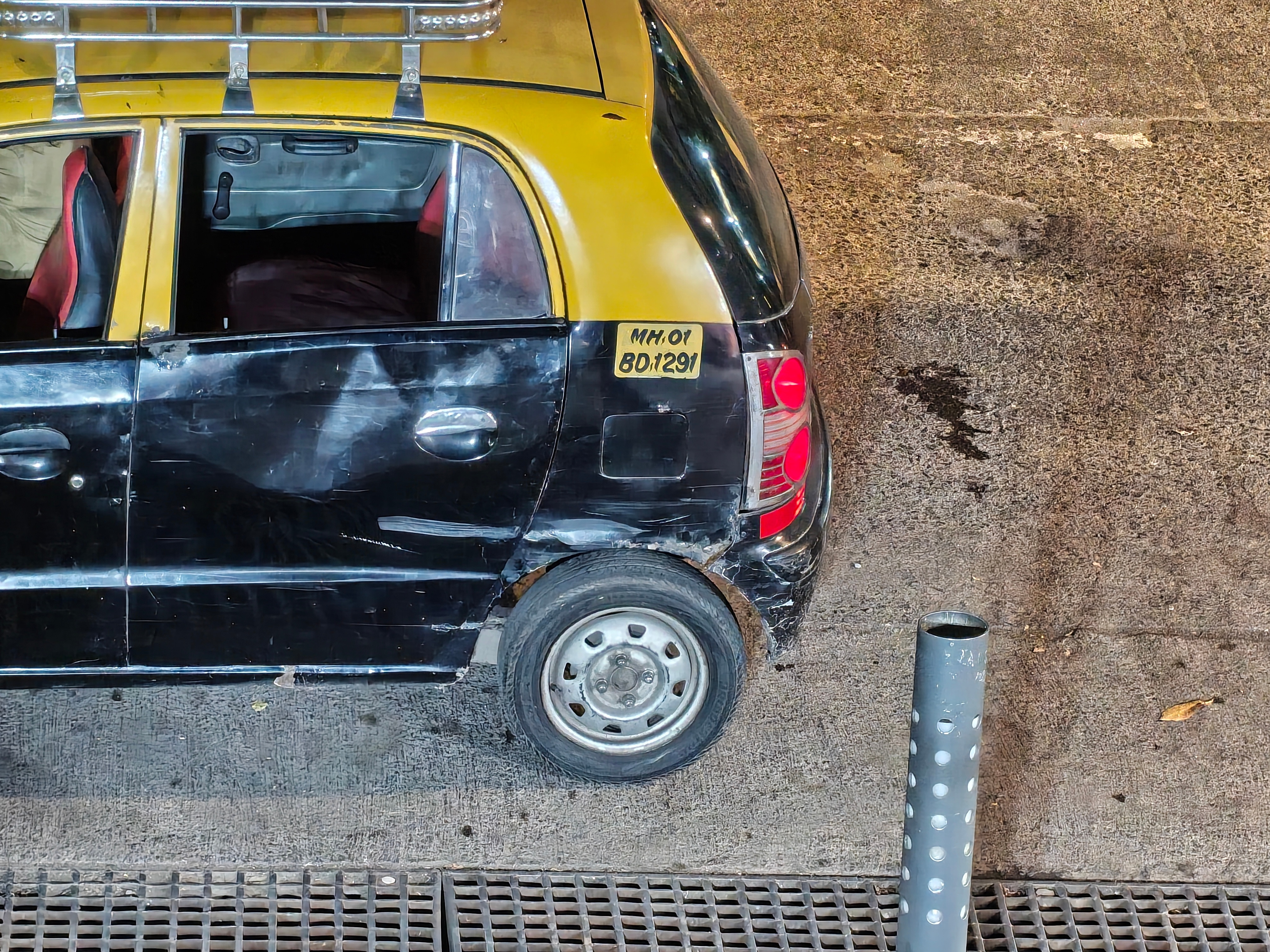
Nothing Phone 4a Pro 7x telephoto camera samples (tap images to expand)

Nothing Phone 4a Pro selfie camera sample (tap image to expand)
Selfies aren’t the best I’ve seen at this price point. The binned images appear a bit soft and could have been sharper and more detailed in both daylight and low-light shooting conditions.
Since I had the Vivo V70 Elite with me, I decided on a quick low-light shoot-out.
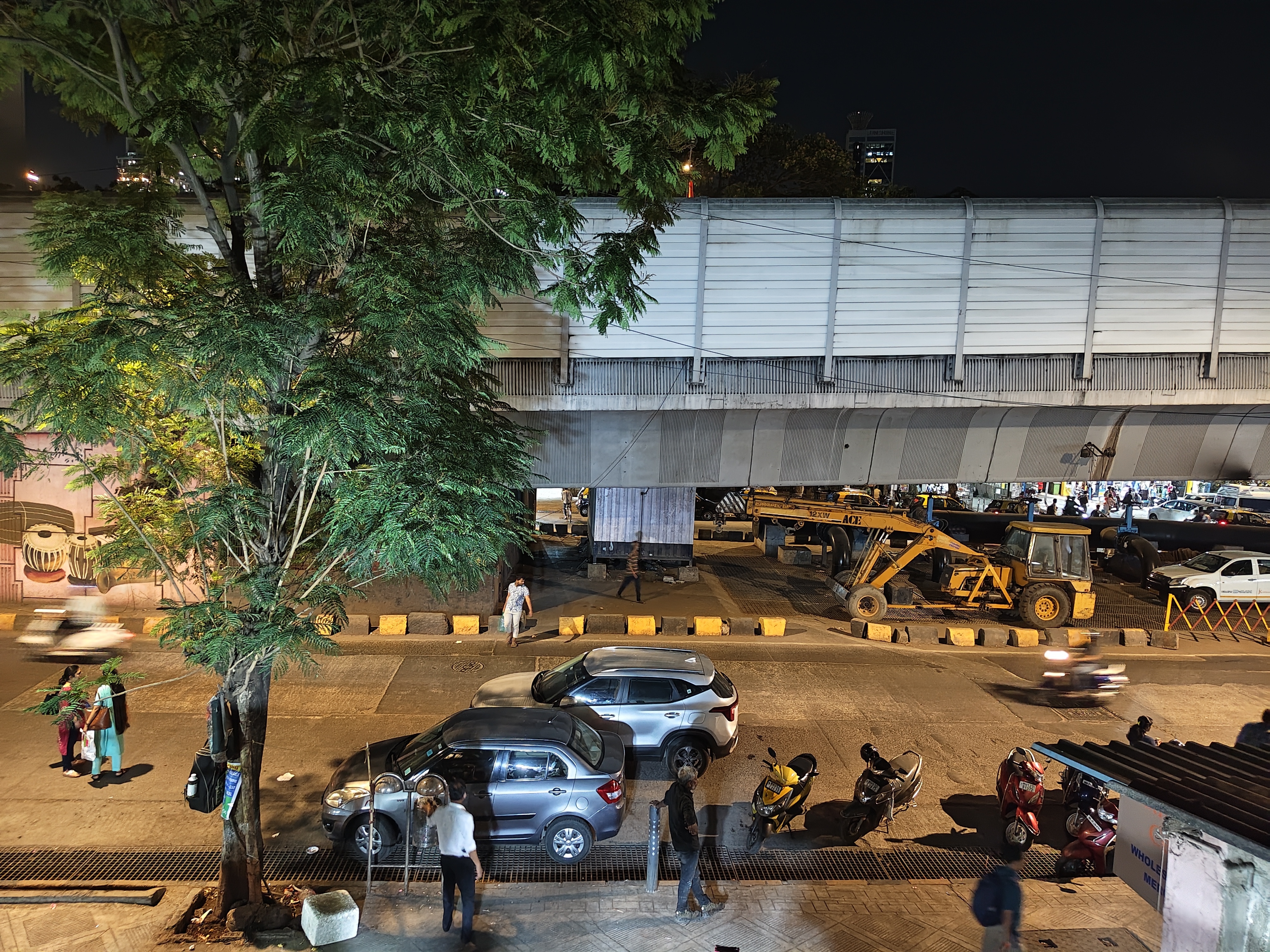
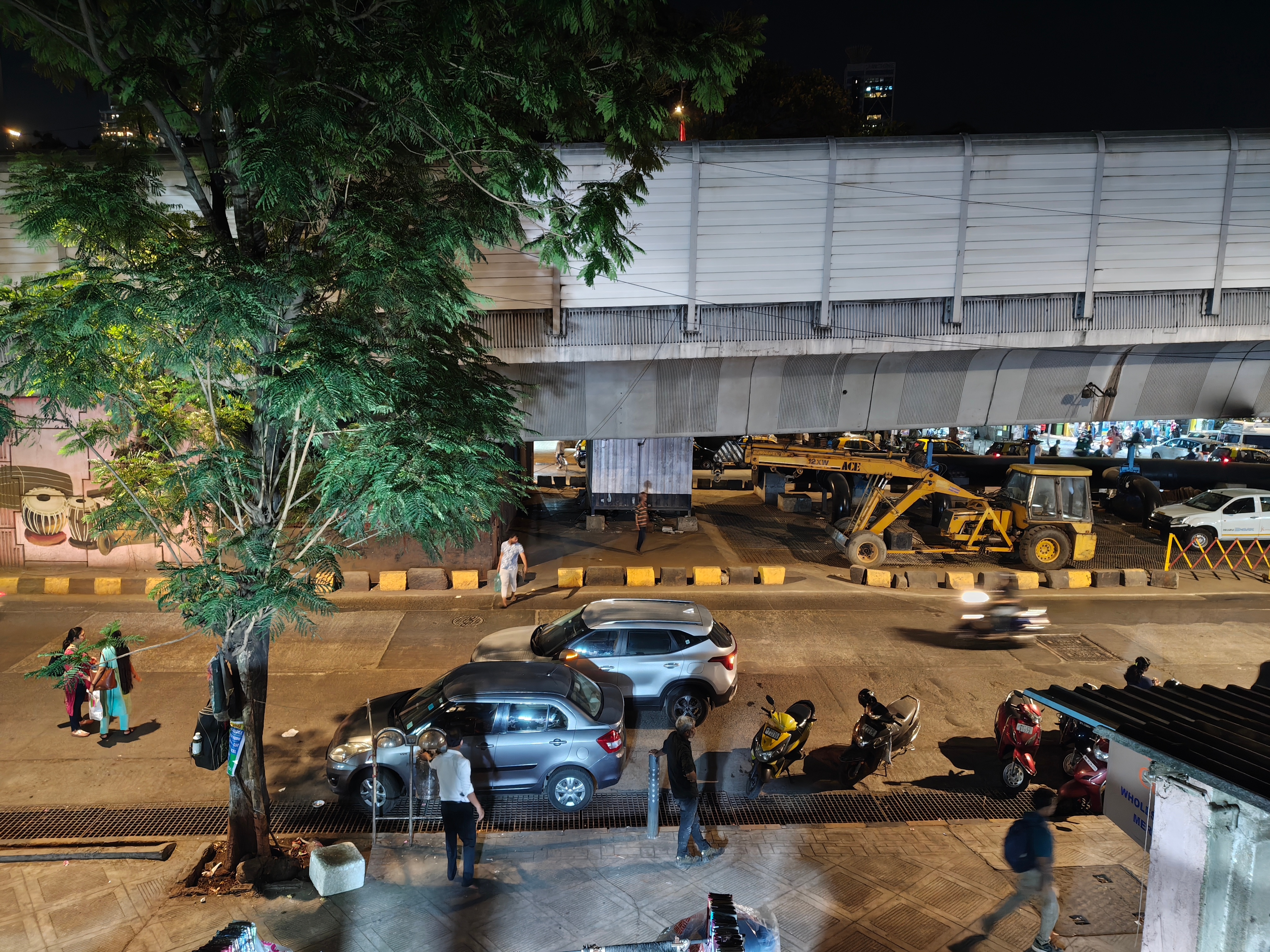
Low-light primary camera samples. Top – Vivo V70 Elite, bottom – Phone 4a Pro (tap images to expand)
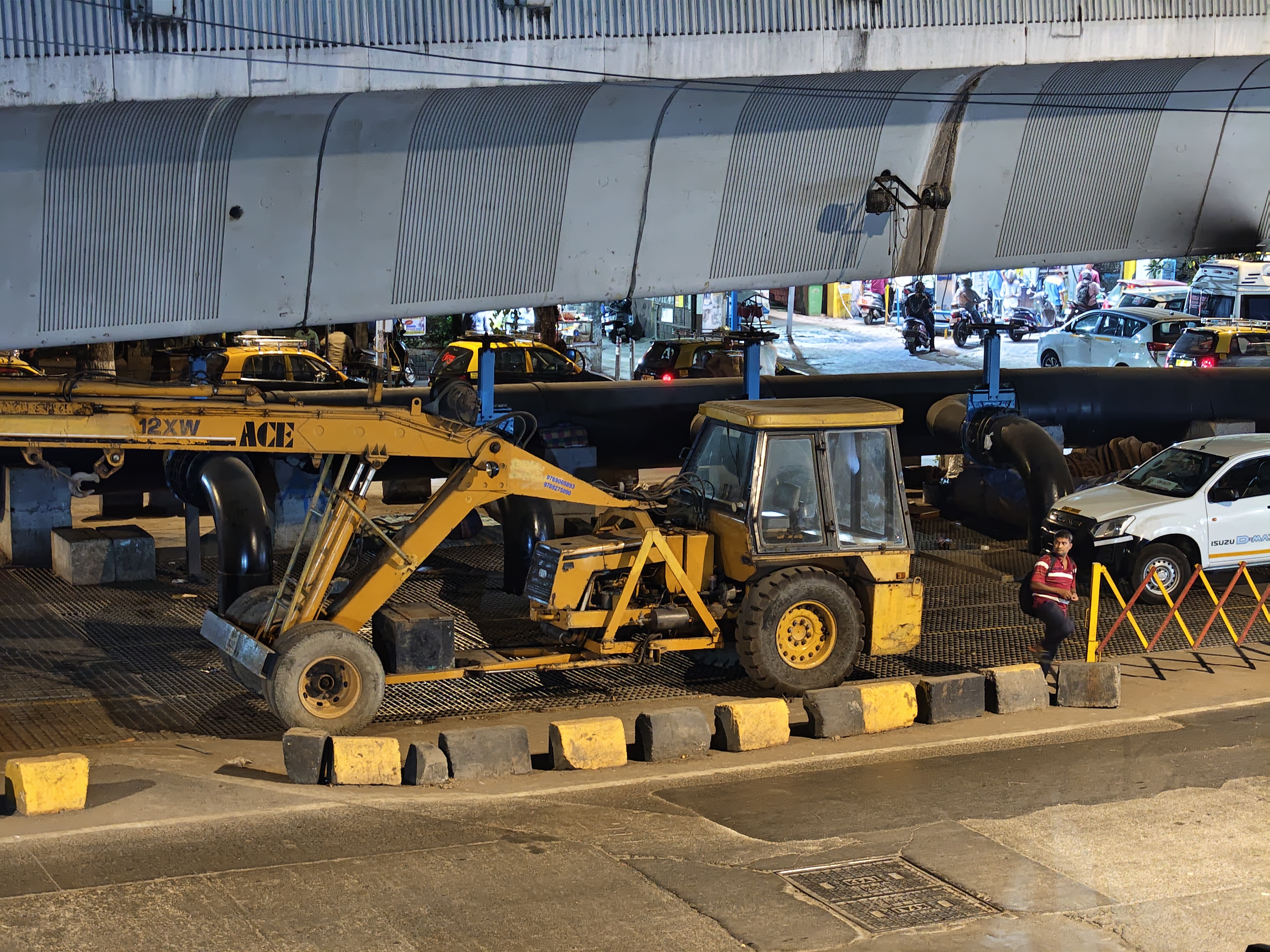
Low-light telephoto camera samples. Top – Vivo V70 Elite (3x), bottom – Phone 4a Pro (3.5x) (tap images to expand)
Overall, in terms of imaging, I am a bit shocked and surprised to see that Nothing’s image processing has matured. Having recently reviewed Vivo’s more expensive (Rs. 51,999) V70 Elite, I must say that the Phone 4a Pro’s image processing is on par (or better in some cases) and has improved drastically over previous models launched by Nothing in terms of quality and colour consistency.
Equally surprising are the phone’s video recording capabilities, but not for the right reasons. 4K 30fps footage (maximum resolution) appears alright with good detail when shooting in daylight. However, bright backgrounds (when shooting at noon or in high-contrast settings) appear overexposed, and the level of detail isn’t as sharp as we would like. There’s also noticeable highlight clipping when shooting in bright settings. This did not improve even after switching to HDR recordings. Colours appear natural, and I like that I can shoot 4K using the telephoto camera. However, like most devices at this price point, you cannot switch cameras (or lenses) once you start shooting. In low-light, videos appear noisy even though they pack decent detail. Stabilisation isn’t the best and appears jittery when walking.
Nothing Phone 4a Pro Battery: As good as it gets
- Battery capacity – 5,400mAh (India) / 5,080mAh (International), Li-ion
- Wired charging – 50W
- Charger in the box – No
The Silver review unit seeded to us and select media is, unfortunately, the international variant with a lower-capacity 5080mAh battery.
Regardless, the Nothing Phone 4a Pro impressed with its standing power lasting a solid 21 hours and 3 minutes in PCMark’s Battery life test. This is an improvement over the Phone 3a Pro’s 18 hours and 10 minutes achieved in the same test with a 5,000mAh battery. Technically, the Indian model with a 5,400mAh battery should perform even better.
In real-world testing, the international variant of the Phone 4a Pro easily lasted a whole day and some more with casual to moderate usage. Power users will see the battery reach 20-30 percent by the end of the day.
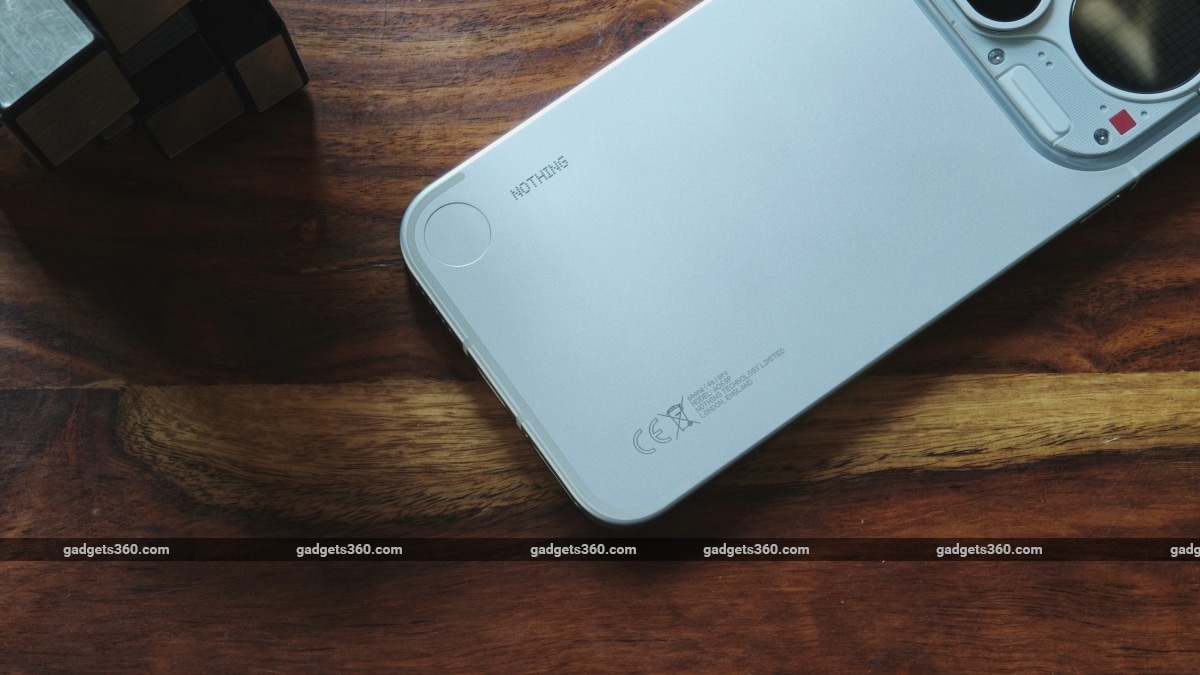
In India, the Nothing Phone 4a Pro comes with a 5,400mAh battery
Without the official Nothing charger, we could not verify the brand’s claimed charging speed of delivering a 60 percent charge in 30 minutes. Using a third-party 100W PD charger we still managed a 51 percent charge in 30 minutes and a 93 percent charge in an hour, with the phone taking an additional 10 minutes (1 hour and 10 minutes) to a full charge.
Nothing Phone 4a Pro Verdict
Yes, the Nothing Phone 4a Pro offers an interesting mix of features and is high on the value quotient as well. While staying typically “Nothing” and unique, the Phone 4a Pro has evolved into a smartphone that more buyers will now appreciate, thanks to its premium-feeling unibody metal design. Its still cameras have evolved in terms of capability as well, and now offer better performance with a useful and capable telephoto shooter. Camera processing has also improved, even compared to the Phone 3. Its software is not bloatware-free anymore, but continues to remain unique in a sea of iOS 26 copies that have plagued Android devices lately.
As far as alternatives go, there are few devices that can match up to the Nothing Phone 4a Pro at the time of writing this review. Most of these are lower-priced, performance-oriented options that might find their way into gamers’ pockets, but have unimpressive dual rear cameras due to their new, higher price tags. Those that match up in terms of hardware and feature capabilities begin a few thousand higher.
This would include the Realme 16 Pro+ (Rs. 43,999 for 8+128GB), which appears to offer an impressive set of cameras, but isn’t as capable when it comes to making optimum use of its camera hardware, making the Nothing Phone 4a Pro a better pick for shutterbugs. Next, we have the iQOO 15R (Rs. 44,999 for 8+256GB) and the OnePlus 15R (Rs. 47,999 12+256GB), which offer much better raw performance that will be useful for gamers. Both of these devices also offer high-capacity batteries, making them a better choice for power users. However, both devices still rely on basic camera hardware, making the Nothing Phone 4a Pro a better pick for casual users.
