

Board exams, whether Class 10 or Class 12, are a milestone in every student’s academic journey. They not only assess knowledge but also influence future opportunities in higher education and careers. With stakes this high, preparation must be systematic and consistent. (Image: Pexels)

Know Your Syllabus Thoroughly: The first step is to understand the syllabus in detail. Break it down into subjects and chapters, marking topics that carry higher weightage. This helps prioritize study time and ensures no important area is overlooked. (Image: Pexels)

Create a Realistic Study Plan: A well‑structured timetable is essential. Allocate time slots for each subject, balancing strong areas with weaker ones. Short, focused study sessions with breaks are more effective than long, exhausting hours. Stick to the plan but allow flexibility for revisions. (Image: Pexels)

Practice With Sample Papers and Past Papers: Solving previous years’ question papers and sample papers is one of the most effective strategies. It familiarizes students with exam patterns, improves speed, and highlights areas needing improvement. Time yourself to simulate exam conditions. (Image: Pexels)

Focus on Conceptual Clarity: Memorization alone won’t help. Board exams often test application of knowledge. Ensure you understand concepts deeply, especially in subjects like Mathematics and Science. Use diagrams, flowcharts, and mind maps to simplify complex topics. (Image: Pexels)

Revise Regularly: Revision is the backbone of exam preparation. Schedule weekly revisions to reinforce learning. Use concise notes, highlight key formulas, and keep flashcards handy for quick reviews. The more you revise, the more confident you’ll feel. (Image: Pexels)
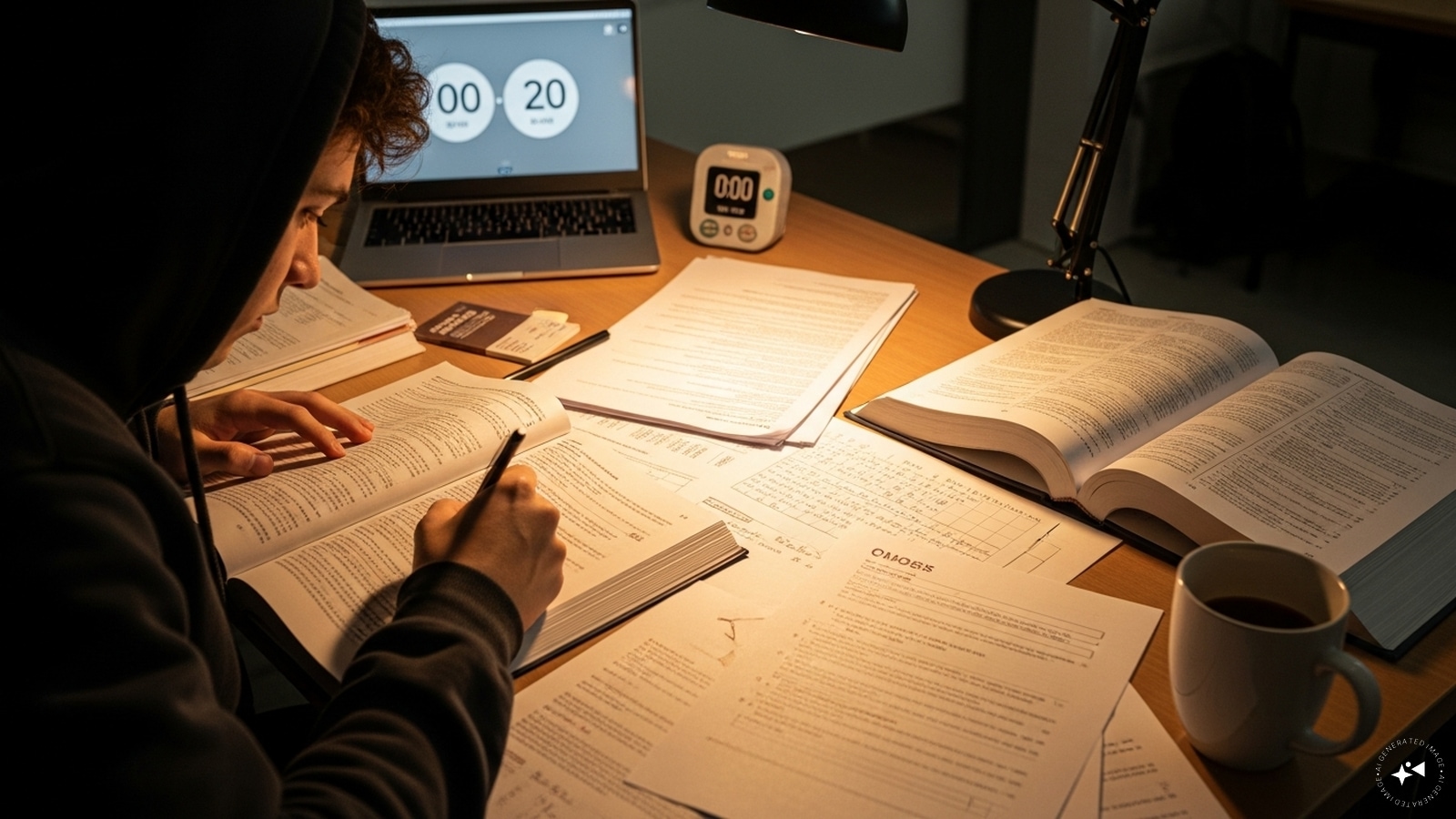
Manage Time Effectively: Time management is crucial both during preparation and in the exam hall. While studying, divide chapters into smaller sections. During exams, allocate time per question and avoid spending too long on one. Practice writing answers within word limits. (Image: AI-generated)

Maintain Good Health: A healthy body supports a sharp mind. Eat balanced meals, stay hydrated, and get adequate sleep. Avoid late‑night cramming, as fatigue hampers memory retention. Light exercise or meditation can reduce stress and improve focus. (Image: Pexels)

Stay Positive and Motivated: Board exams can trigger anxiety, but maintaining a positive mindset is vital. Surround yourself with supportive peers and family. Avoid comparing your progress with others. Motivation can come from setting small goals and rewarding yourself when you achieve them. (Image: Pexels)

Clarify Doubts Early: Don’t let doubts pile up. Seek help from teachers, classmates, or online resources. Clearing concepts early prevents last‑minute panic and builds confidence. Group study sessions can also be useful if they stay focused. (Image: Pexels)
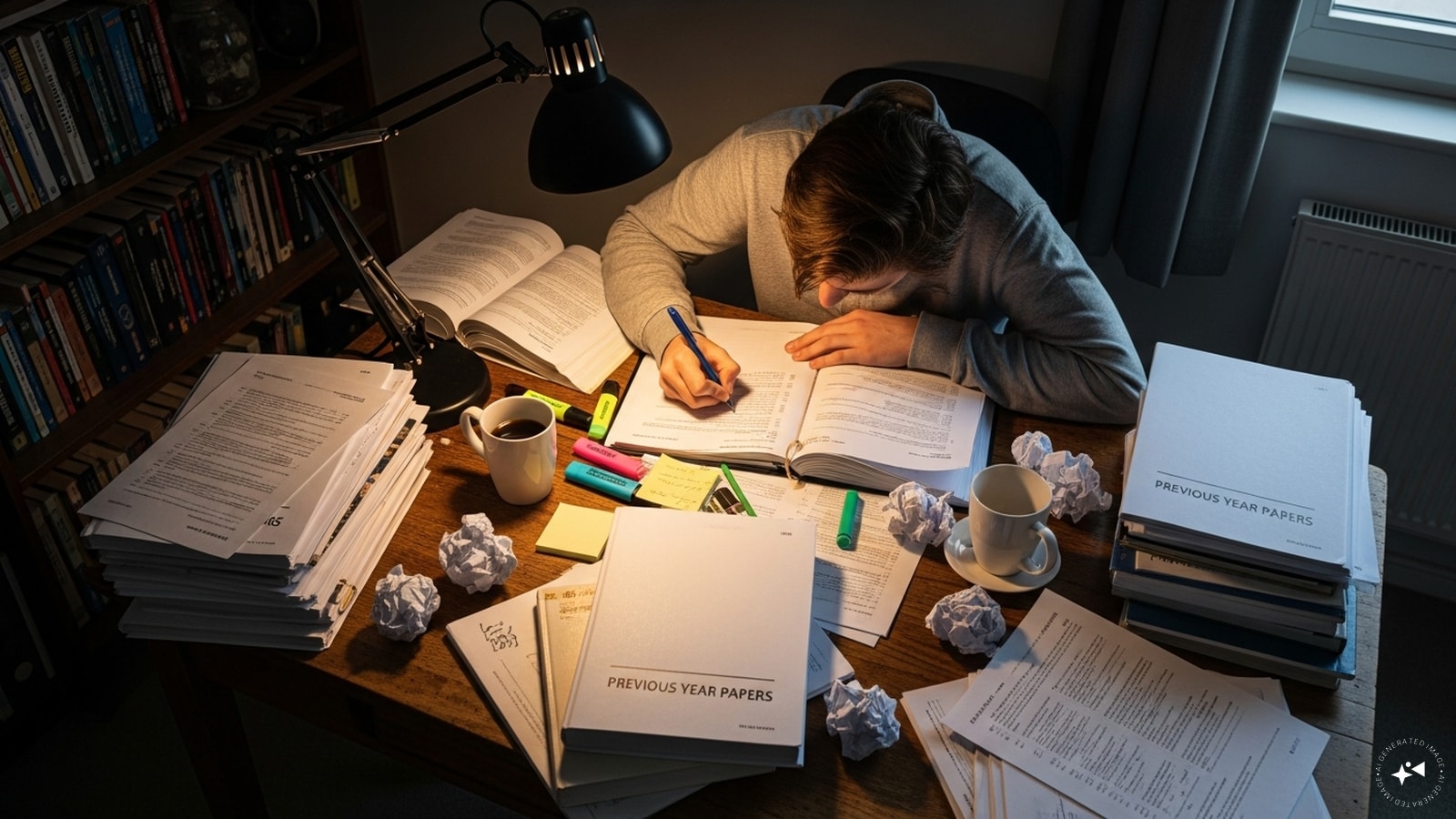
Exam Day Strategies: On the day of the exam, stay calm. Read the question paper carefully, underline key instructions, and start with questions you’re most confident about. Keep an eye on the clock and reserve time at the end to review your answers. (Image: AI-generated)
