
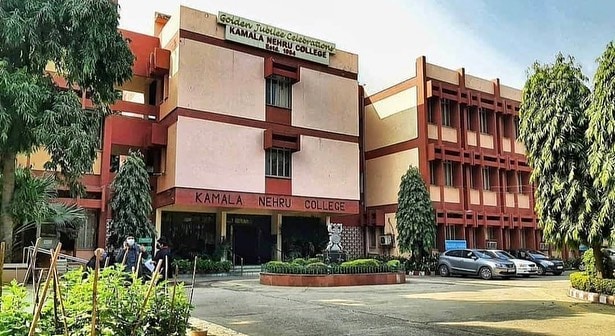
Kamla Nehru College, Delhi: Kamla Nehru College, University of Delhi, has operated a rooftop rainwater harvesting system since the late 1990s, embedding sustainability into daily campus life, according a The Better India report. Rain from the library and campus roofs flows via pipes into recharge pits to replenish groundwater. It is monitored by Green Beans Society and upgraded with FORCE support, it combats water scarcity sustainably. (Image: Instagram)
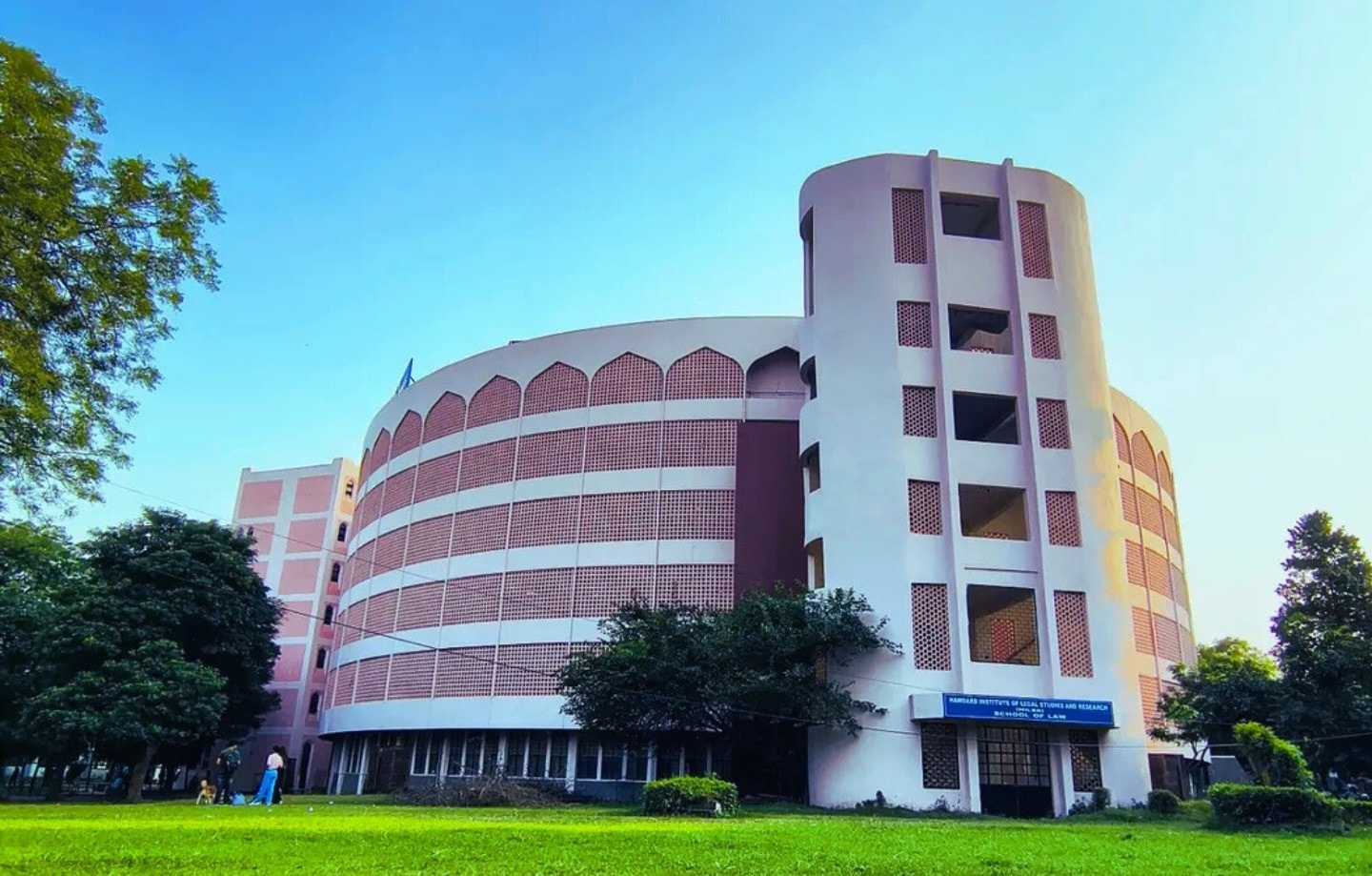
Jamia Hamdard University, Delhi: The college has run a large-scale rainwater harvesting system capturing more than 60,000 cubic metres yearly rooftops, runoff and Jahanpanah Forest since 2001-02. Water passes through desilting tanks and pebble filters into around 12 recharge wells, reaching 20-30m deep borewells, boosting tubewell yield and groundwater levels. (Image: Instagram)
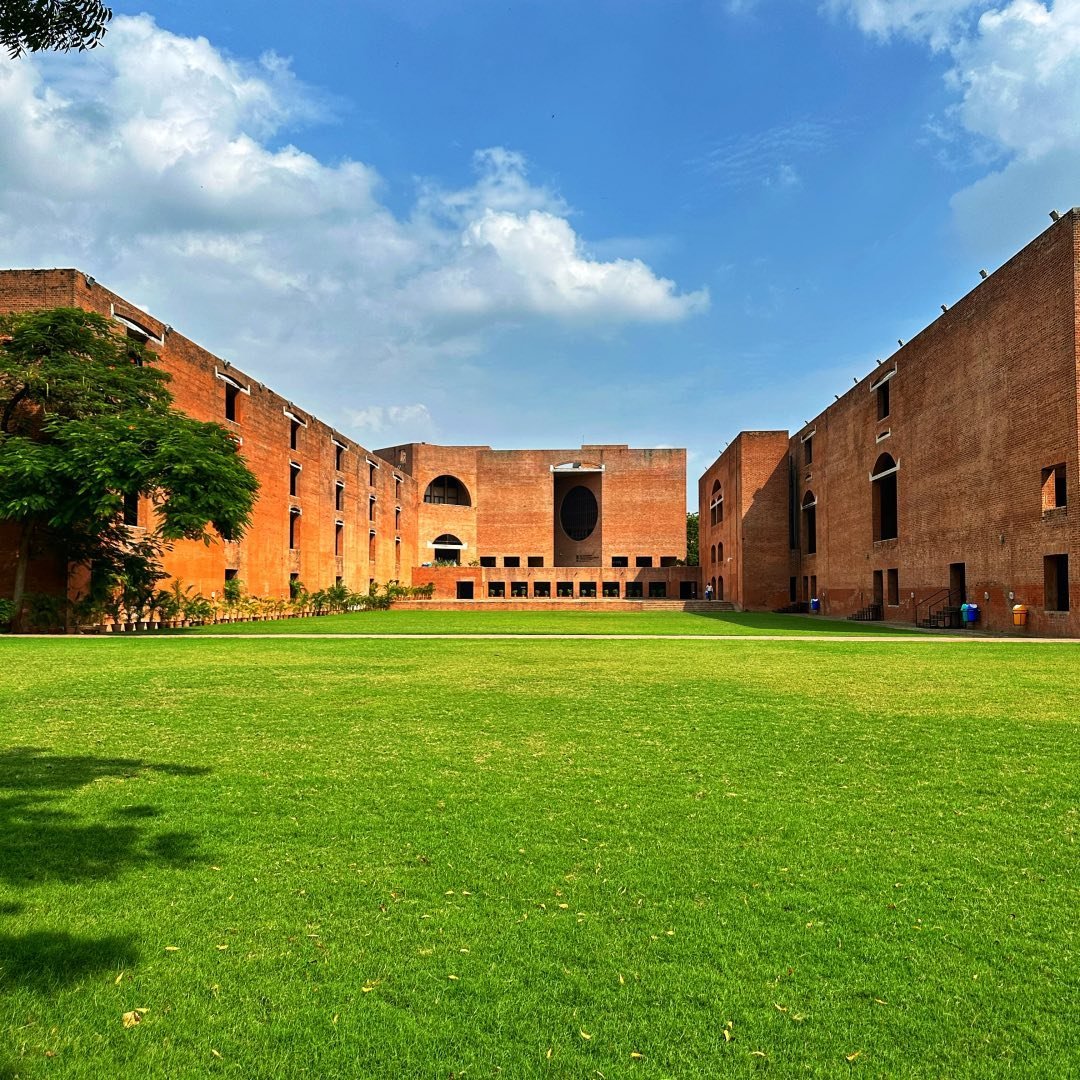
IIM Ahmedabad, Gujarat: It runs a long-standing rainwater harvesting system with 18 recharge borewells and a central pond, capturing nearly every raindrop across both campuses. Runoff is filtered before entering recharge wells. With STPs and greywater reuse for irrigation, IIM-A maximises conservation and strengthens groundwater recharge. (Image: Instagram)
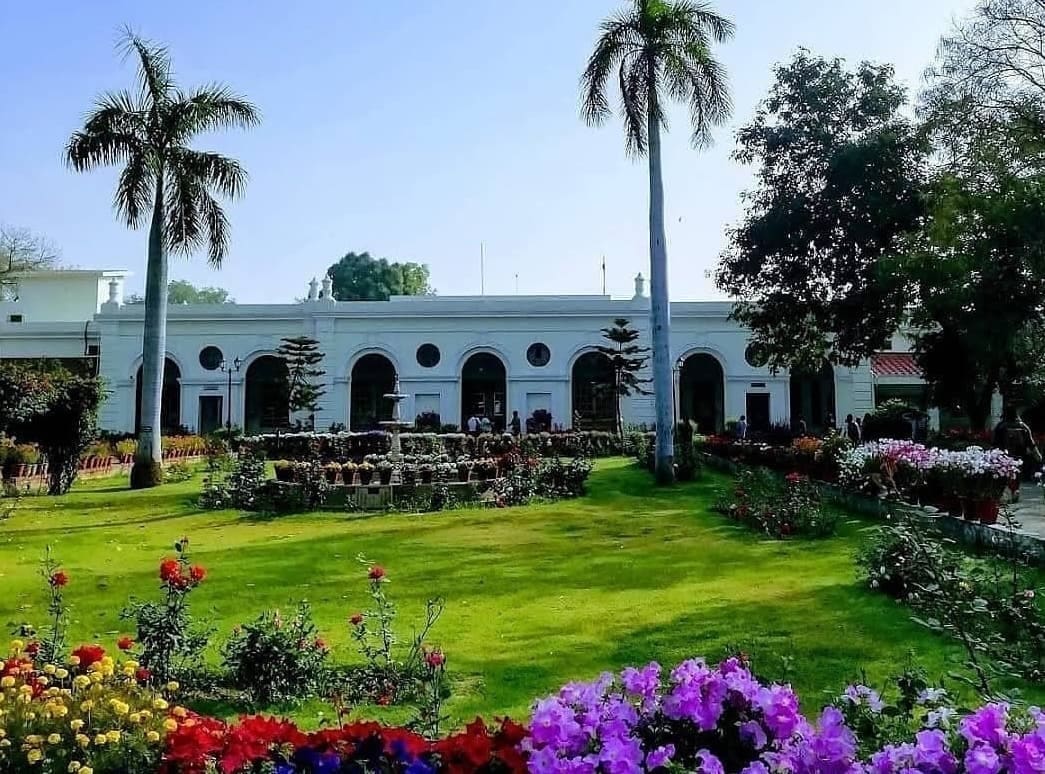
Indraprashtha College For Women, Delhi: It runs seven active rainwater harvesting pits as part of its Net Zero vision, integrating water conservation with solar energy, waste segregation and green cover. Rainwater from rooftops and paved areas is challenged into seven recharge pits, where it percolates into the soil, boosting groundwater beneath its botanical-rich campus. (Image: Instagram)
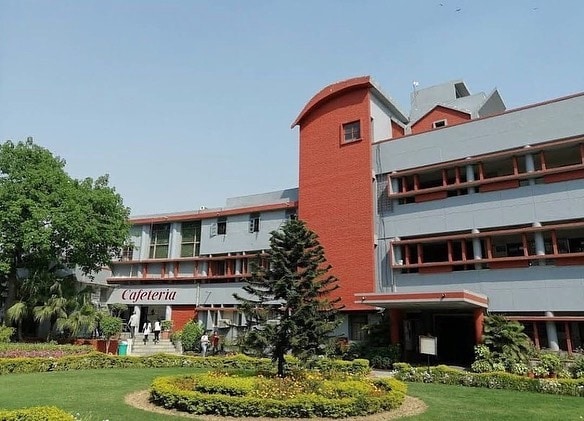
Janaki Devi Memorial College, Delhi: Since 2001, it has run a rainwater harvesting system covering 32, 170 sqaure meter, harvesting 6.88 million litres yearly and wining a CM award for impact.Rooftop runoff flows into three recharge wells and 15m borewells while surface water drains through a trench into a open well, raising water levels by 10.6m. (Image: Instagram)
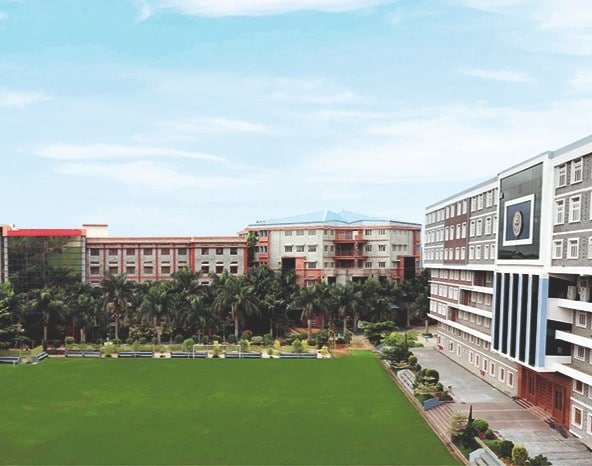
Kristu Jayanti Collge, Bengaluru: It has 44 lakh litre storage capacity across PG and Administrative blocks. Rooftops, quadrangles and runoff feed a 24-lakh ‘matka’ tank and a 20 lakh ‘Thunka’ pit. Mullti-layer natural filters clean water, reducing borewell and tanker use. (Image: Instagram)
