
Ask any jewellery enthusiasts, and they’d confirm the omnipresence of German silver jewellery. The markets are full of earrings, pendants, and anklets made of this metal in countless designs. Their visual similarity to silver and affordability have made them a go-to choice for many fashionistas. However, despite its unparalleled appeal, German silver jewellery might not be suitable for everyone. It is usually made from an alloy of nickel, copper, and zinc — and it is the presence of nickel that raises the biggest concern for skin health.
“German silver jewellery is not universally safe for all skin types,” says Dr Sunil Kumar Prabhu, Consultant – Dermatology at Aster RV Hospital, Bangalore. While many people may wear it without immediate issues, those with sensitive skin, eczema, or a known metal allergy — especially to nickel — are far more likely to experience reactions. The dermatologist explains that factors such as prolonged wear, sweating, friction, and whether the jewellery is coated or uncoated also play a significant role in how the skin responds.

In which cases can it turn harmful?
Nickel is one of the most common causes of allergic contact dermatitis worldwide. When jewellery containing nickel remains in contact with the skin for long hours, it can release metal ions, particularly in the presence of sweat. “This is when allergic reactions are triggered,” explains Dr Prabhu. Heat, moisture, and friction accelerate this process, which is why reactions often appear under rings, bangles, necklaces, or anklets.
The most common reaction linked to German silver jewellery is allergic contact dermatitis. This usually shows up as itching, redness, rashes, dryness, darkening of the skin, or even small blisters at the point of contact. According to Dr Prabhu, these symptoms occur when the immune system becomes sensitised to nickel or other metals in the alloy. For some, the reaction may be mild and temporary, but for others, it can be persistent and uncomfortable.
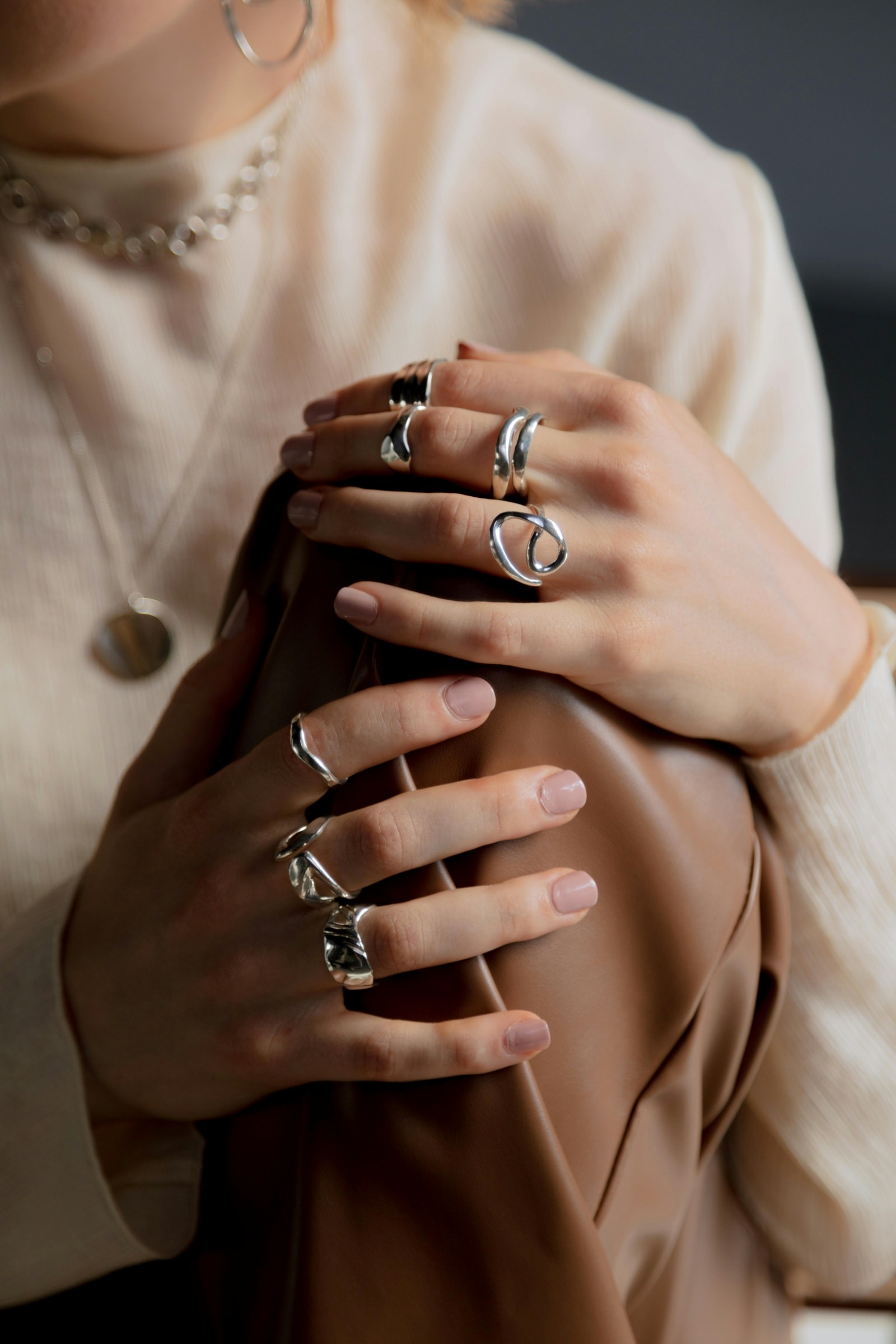 German silver jewellery is not universally safe for all skin types (Photo: Pexels)
Over time, repeated exposure can worsen the problem. Prolonged or frequent use of German silver jewellery may lead to chronic skin irritation, lasting pigmentation, skin thickening, or flare-ups of existing conditions like eczema. “In some cases, repeated exposure can turn a mild irritation into a permanent metal allergy,” warns Dr Prabhu. Once this happens, even brief contact with nickel-containing jewellery can trigger more severe reactions in the future.
The right way to wear your favourite German silver jewels
For those who still prefer wearing German silver jewellery, certain precautions can reduce the risk. Dr Prabhu advises limiting wear time, avoiding jewellery on broken or sweaty skin, and removing it before sleeping or exercising. Applying a clear protective coating or nail lacquer on the inner surface of the jewellery may help minimise direct skin contact, though this remains a temporary solution.
If skin safety is a priority, dermatologists recommend opting for safer alternatives. Materials such as sterling silver (92.5%), surgical-grade stainless steel, titanium, platinum, or certified nickel-free jewellery are far better choices, especially for people with sensitive skin or a history of allergies. “When in doubt, hypoallergenic jewellery is always the safest option,” Dr Prabhu adds.
Story continues below this ad
The takeaway is simple: while German silver jewellery may be fashionable and affordable, it isn’t risk-free for everyone. Paying attention to how your skin reacts — and choosing skin-friendly materials when needed — can prevent discomfort and long-term skin issues.
DISCLAIMER: This article is based on information from the public domain and/or the experts we spoke to. Always consult your health practitioner before starting any routine.
