
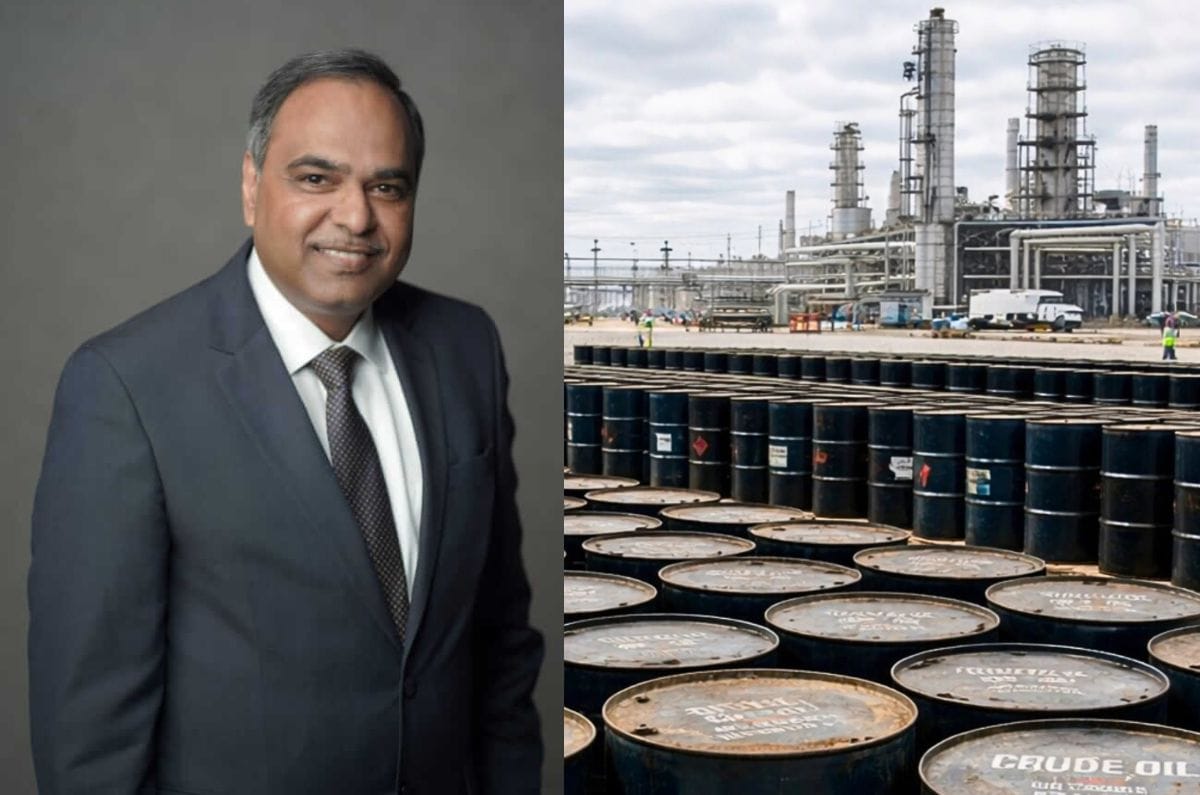
The Middle East conflict, which began on February 28, 2026, has posed significant challenges for various industries dealing in manufacturing and trade on a global scale. While the Indian automotive sector has weathered the turbulence from this crisis so far, there could be tougher times ahead. Speaking to our sister publication Autocar Professional, Shaliesh Chandra, President of the Society of Indian Automobile Manufacturers (SIAM) cautioned, “If this crisis goes on for long, it will definitely have a significant headwind for growth.”
How has the 2026 Middle East conflict impacted automakers?
The crisis has triggered logistical challenges for the industry as a whole
As the conflict escalated, one of the first economic casualties came in the form of the closure of the Strait of Hormuz. This had immediate repercussions on global trade as international shipping lines were disrupted, causing further volatility and shortage of petroleum products and gas. The automotive industry in India is dependent on LPG (liquefied petroleum gas) for various purposes.
Chandra mentioned that there is “dependence on LPG for certain processes in the auto industry, for example, painting or heat treatment.” Chandra explained that automakers are trying to find different ways to reduce their LPG consumption, even trying to find alternate solutions to achieve the same result.
Chandra also confirmed that freight rates have gone up due to the uncertainties for shipping as a whole, especially given the volatile situation surrounding the Strait of Hormuz. “The shipping routes have become longer, not only to get parts that are imported but also parts and vehicles that have to be exported from India.” While the industry continues to monitor this evolving situation, “there is definitely implications on cost of components, especially for petroleum-based components and parts. But also because of materials like high-grade aluminium, where there is some dependence on middle-east countries,” Chandra highlighted.
The dependence on materials and imports for vehicles as a whole might already be taking a toll on some brands sooner than others. Since all of its cars sold in India are imported, BYD India will hike prices of its cars by up to 3 percent from May 1, 2026. However, such a move may not be restricted to BYD. During a conversation with Autocar Professional, Piyush Arora, Managing Director and CEO of Skoda Auto Volkswagen India indicated a possible price hike for VW Group cars sold in the country. “We have seen some impacts coming because of the conflict in the last few days, mainly because of supply-chain lead times, as well as some amount of shortages of oil-related by-products.”
2026 Middle East conflict: What does the future hold for automakers?
Rising input costs is a reality that brands would eventually pass down to customers
It has been nearly seven weeks since the conflict in the Middle East officially started. While diplomatic talks continue intermittently with varying outcomes, this situation still has ways to go before concluding. On a positive note, Chandra highlighted that the fundamental and underlying reasons behind the growth in the second half of FY2026 remains. Despite the precarious situation involving the Middle East conflict, there is enough demand from customers. On a similar note, Arora said that “the developments of the last few days show that there is hope that the conflict might get resolved sooner than later.”
