
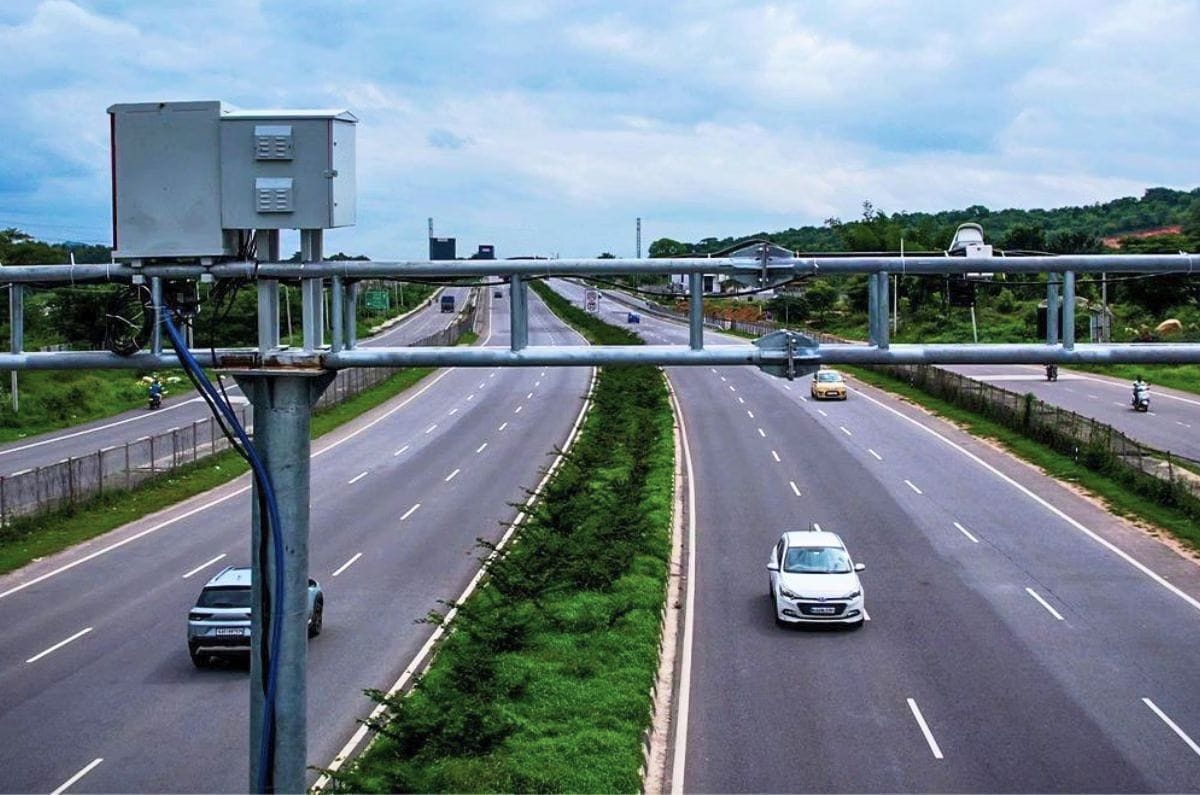
A new fully digital time-bound traffic challan system will soon be implemented in Delhi. The new rules suggest a more stringent traffic challan regime, which specifies driving licence suspension for repeat offenders in a year. The new rules also make it difficult for the aggrieved party to approach the court to settle a dispute, as a 50 percent upfront payment of the fine is required.
- Traffic challans will be issued in the name of the registered vehicle owner
- 45 days will be offered to either accept or challenge a challan
- An online dispute can be raised within the stipulated time at no extra cost
New traffic rules in Delhi: All you need to know
New rules specify a 45-day timeline for accepting or challenging a traffic challan
The new traffic challan framework specifies that e-challans will be issued in the name of the registered vehicle owner, who can either settle or challenge them within 45 days through the Parivahan portal. A lack of challenge within the stipulated days will be automatically considered an acceptance of the fine. In case of a dispute, the aggrieved party can challenge the challan online. If such a challenge is rejected, the violator either has to pay the challan within another 30 days or take the matter to court, which will require a 50 percent upfront payment before the proceedings even begin.
Under the new rules, police or authorised officers will continue to issue challans both physically and electronically. The e-challans will, however, be delivered to the violators on their registered cell phone numbers within three days, and a physical notice will be delivered in 15 days. It has also been specified that an electronic notice will be delivered daily upon the expiration of the 45 days.
Vehicle-related services will be affected upon non-payment of challans
If a challan remains unpaid, the vehicle will be flagged on the official portal as ‘not to be transacted’, under which restrictions shall be imposed on all Vahan portal-related services, including payment of taxes, registration-related requests, and even driving licence-related facilities. Racking up five or more traffic violations will flag a violator as a ‘serious offender’, which can result in either suspension or disqualification of the driving licence. The new rules also authorise authorities to impound the vehicle on the receipt of a court order.
