
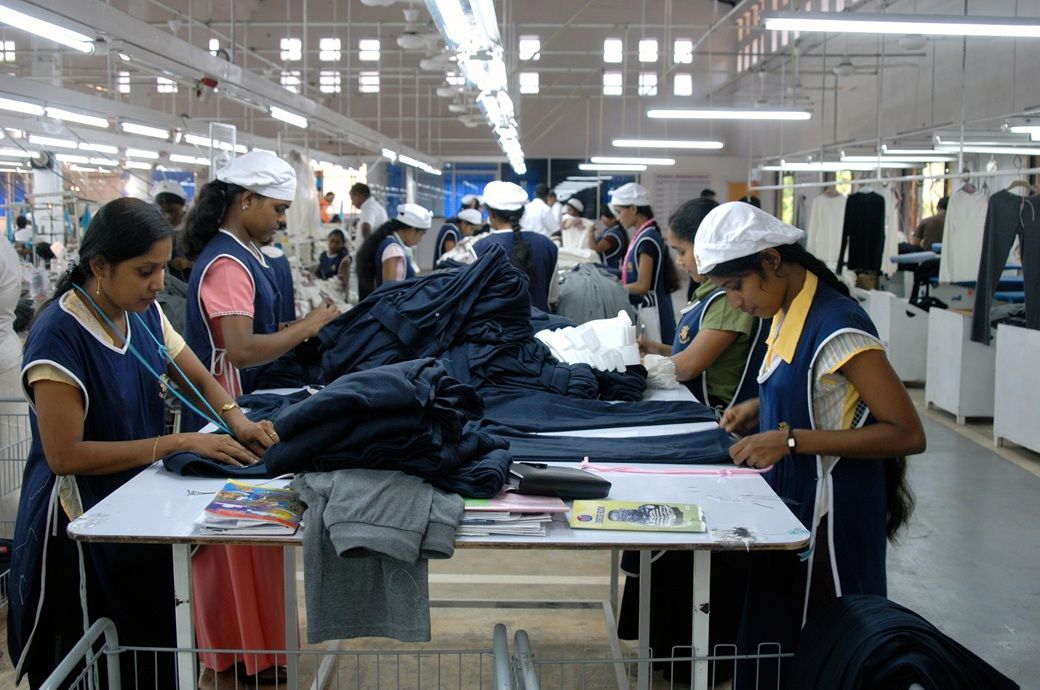
According to some estimates, the country’s apparel exports reportedly dropped around 8 per cent in the first quarter of 2026 compared with the same period last year, exposing growing pressure on one of Sri Lanka’s most critical export sectors.
What is making matters worse is the combination of weak global demand, geopolitical uncertainty and spiralling operational costs that are rapidly eating into already thin margins. Industry estimates reportedly show that rising fuel and electricity prices are adding nearly $3 million every month to apparel sector expenses, creating a serious burden for factories struggling to stay competitive in an increasingly volatile global market.
Sri Lanka’s apparel industry is facing mounting pressure as exports reportedly fell around 8 per cent in Q1 2026 amid weak global demand, rising fuel and electricity costs, shipping disruptions and geopolitical uncertainty.
Smaller manufacturers are being hit hardest, with industry bodies urging urgent policy support, energy reforms and stronger trade access to stabilise the sector.
For smaller players operating on razor-thin margins, the situation is becoming alarming.
According to a senior official from the country’s Free Trade Zones and General Services Employees Union, only a handful of large apparel companies currently appear stable, while a large section of small and mid-sized manufacturers battles a full-blown crisis.
Production costs have surged sharply in recent months as fuel prices climbed, pushing up transportation and factory operating expenses. Shipping costs have also reportedly shot up, adding another layer of pressure on manufacturers already struggling to manage rising overheads.
The fallout is now beginning to show across supply chains and factory operations. The result is a dangerous squeeze on profitability, leaving several factories vulnerable to closure.
Further, shipment delays are reportedly forcing many exporters into uncomfortable negotiations with buyers, many of whom allegedly resort to discount demands when delivery schedules are missed.
For Sri Lanka, the stakes could not be higher.
The apparel industry remains one of the country’s biggest export earners and a major source of employment, particularly for women. Any prolonged downturn in the sector could ripple through the broader economy, affecting jobs, foreign exchange earnings and industrial stability at a time when the country is still trying to rebuild economic confidence.
Meanwhile, a major trade body of the country has outlined an urgent action plan to stabilise the industry before conditions worsen further while reportedly underlining the immediate focus must be on accelerating energy reforms to reduce mounting cost pressures, securing GSP+ benefits to safeguard access to European markets, engaging proactively with the United States during Section 122 and Section 301 trade discussions, and deepening trade access with India to tap into a high-growth neighbouring market.
It reportedly stressed that these are not distant policy ambitions but immediate priorities requiring quick execution and measurable outcomes. The industry body also reportedly maintained that Sri Lanka’s apparel sector has weathered difficult periods before and possesses strong fundamentals, including a skilled workforce, long-standing buyer relationships and strategic proximity to major markets.
However, industry analysts warned that resilience alone may not be enough, especially for smaller manufacturers lacking the financial muscle of larger exporters, as global demand remains fragile, supply chain disruptions continue to create uncertainty, and operating costs show little sign of easing, while adding that without timely Government intervention and targeted policy support, smaller factories will find it increasingly difficult to survive the ongoing storm.
Fibre2Fashion News Desk (DR)
