
4 min readNew DelhiMay 23, 2026 08:00 PM IST
For many women, the shape of their C-section scar can sometimes come as a surprise. While most people are familiar with the small horizontal “bikini cut,” some notice a vertical scar instead and wonder why. A puzzled internet user took to Quora seeking answers. The query read: ‘Why is your cesarean scar vertical?’
We decided to dig deeper and reached out to Dr Surabhi Siddhartha, Consultant Obstetrician and Gynaecologist at Motherhood Hospital, Kharghar, Navi Mumbai, who notes that the answer lies in medical need rather than preference. She further explains that the usual C-section cut is horizontal, low on the belly, and is called the ‘bikini cut.’ “Usually, A horizontal cut is standard for planned, low-risk C-sections.”

A vertical cut, on the other hand, runs up-and-down, from below the belly button to the pubic area. “We use it only when we need more space or faster access to the baby. The scar direction depends on the reason for surgery. There is no preference for the patient considered.”
DISCLAIMER: This article is based on information from the public domain and/or the experts we spoke to. Always consult your health practitioner before starting any routine.
When do doctors opt for a vertical cut?
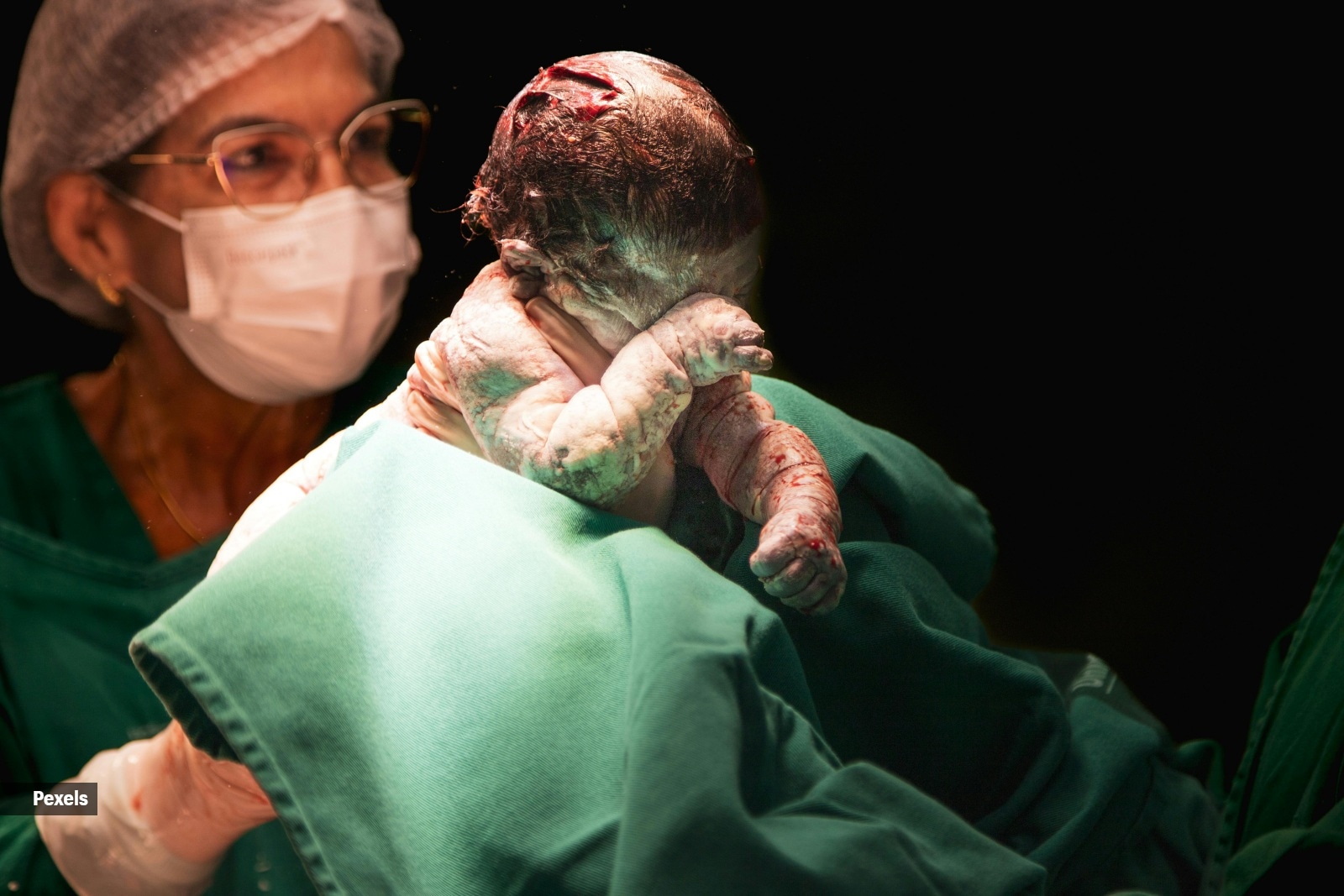 A vertical cut is also chosen when the baby is in a difficult position or is very premature (Image: Pexels)
A vertical incision is not routine, but typically chosen in specific situations. “A vertical cut is chosen in emergencies when the baby needs to be delivered very fast or when baby is in a difficult position, is very premature, or there are large fibroids.” It may also be required in women who’ve had certain previous “belly surgeries with a vertical scar.”
So, does a vertical cesarean scar indicate a higher-risk or emergency procedure? “Often, yes. Vertical cuts are usually done in urgent or complicated situations, as mentioned above,” Dr Siddhartha tells indianexpress.com.
“But this doesn’t mean the mother or baby are in danger, just that speed or space helps,” she further clarifies.
Story continues below this ad
Does healing differ?
Recovery after a vertical C-section can be slightly different, but it’s still manageable with the right care. As Dr Siddhartha explains, “Vertical cuts may take a bit longer to heal and can be more painful initially.” There is also a “slightly higher chance of hernia or the scar becoming thick/raised,” and because of how the surgery is done, core strength may take longer to return.
That said, this isn’t a reason to panic. With proper care, most women recover well. The doctor recommends guided rehabilitation, noting that proper exercise with a physiotherapist can support healing and strength.
What about future pregnancies?
Long-term care becomes especially important when thinking about future pregnancies. “After a vertical C-section, doctors usually advise another C-section for future babies,” largely because “The risk of the uterus scar opening in labor is higher than with a horizontal cut.”
In the weeks after surgery, simple precautions matter. “You should avoid heavy lifting for 6–8 weeks and watch the scar for redness or bulging.” And for any future pregnancy, one step is key: “Always patient should inform their gynec about a vertical scar early in your next pregnancy for safe planning.”
Story continues below this ad
So while a vertical scar may take a bit more care, most women heal well, and with the right guidance, future pregnancies can be planned safely.
DISCLAIMER: This article is based on information from the public domain and/or the experts we spoke to. Always consult your health practitioner before starting any routine.
