
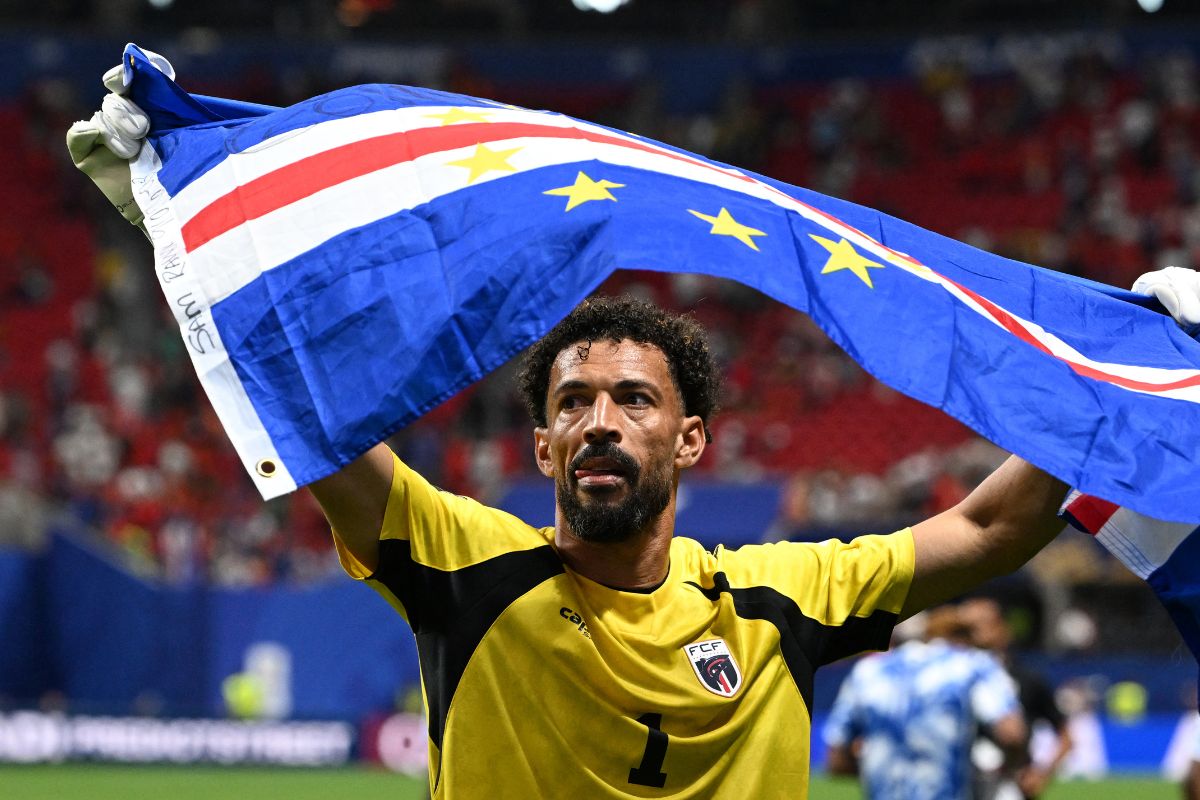
Cape Verde qualified for the FIFA World Cup for the first time in 2026 and immediately grabbed global attention by holding Spain to a 0-0 draw in its opening group-stage match. (Photo: AFP)
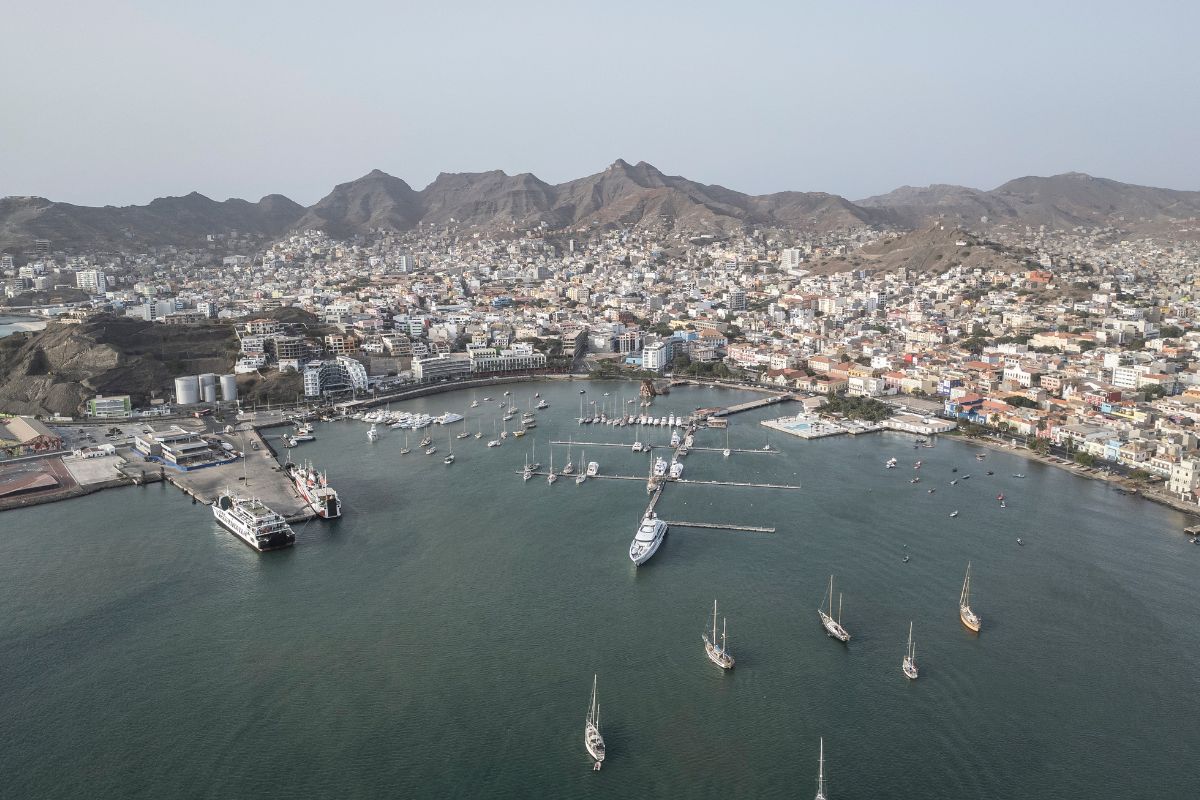
Officially known as Cabo Verde, the country is an archipelago of 10 islands in the Atlantic Ocean, about 570 km off the coast of West Africa. The islands were formed by volcanic activity, and nine of them are inhabited. (Photo: AFP file)
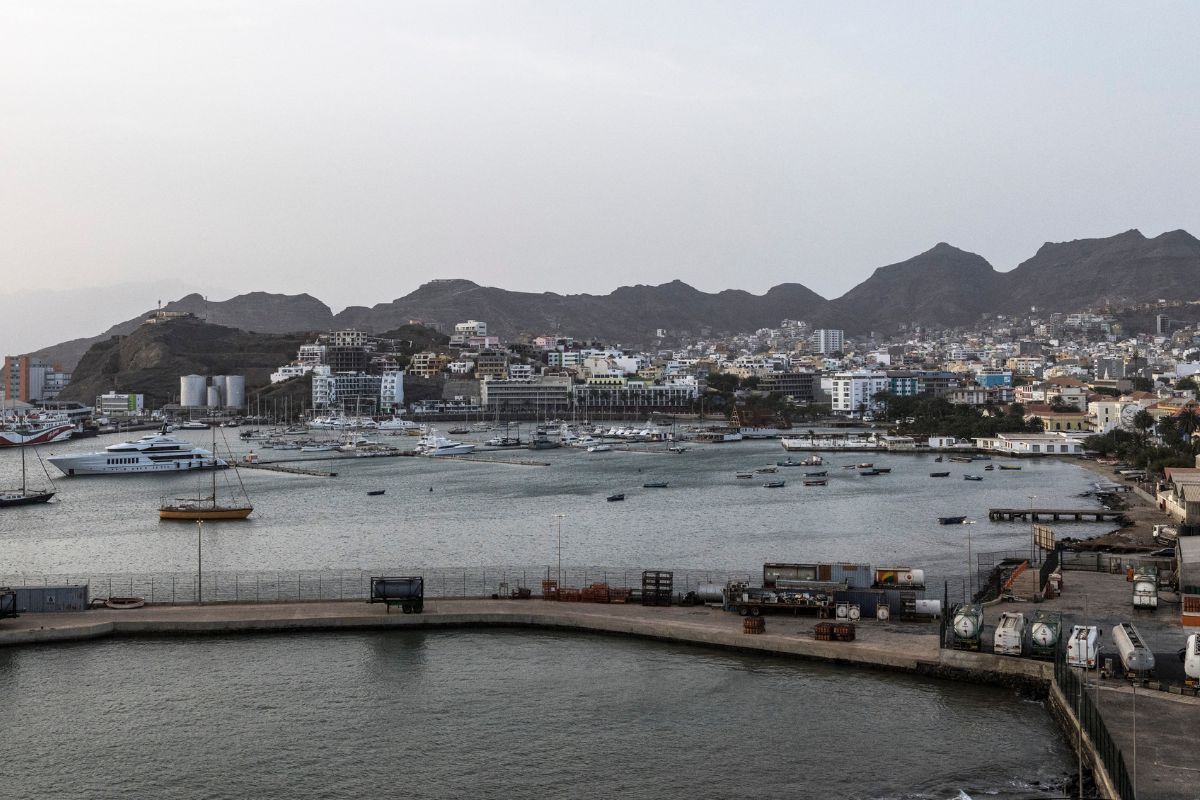
Unlike most countries, Cape Verde had no indigenous population. When Portuguese explorers reached the islands in the 15th century, they found them completely uninhabited. (Photo: AFP file)
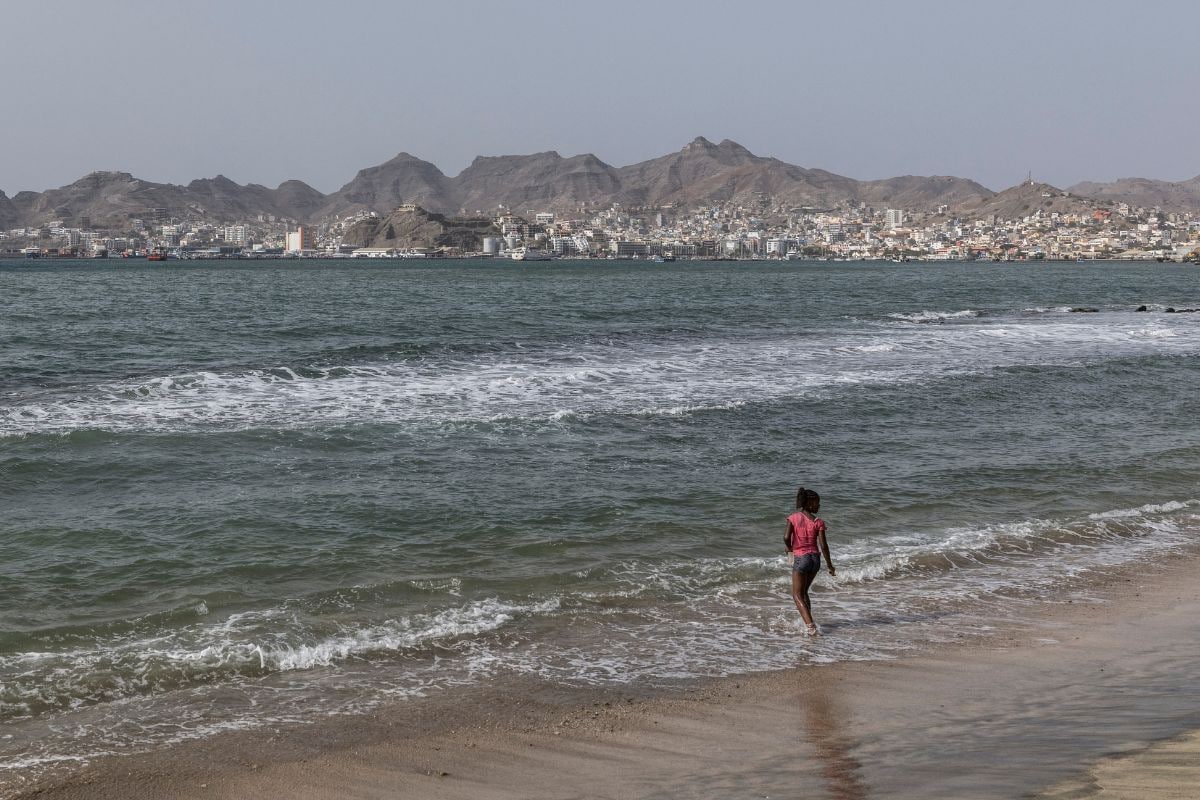
Since gaining independence from Portugal in 1975, Cape Verde has built a reputation for peaceful elections, democratic governance and political stability, making it one of Africa’s strongest democracies. While Portuguese is the official language, most people speak Cape Verdean Creole (Kriolu) in everyday conversation. (Photo: AFP)
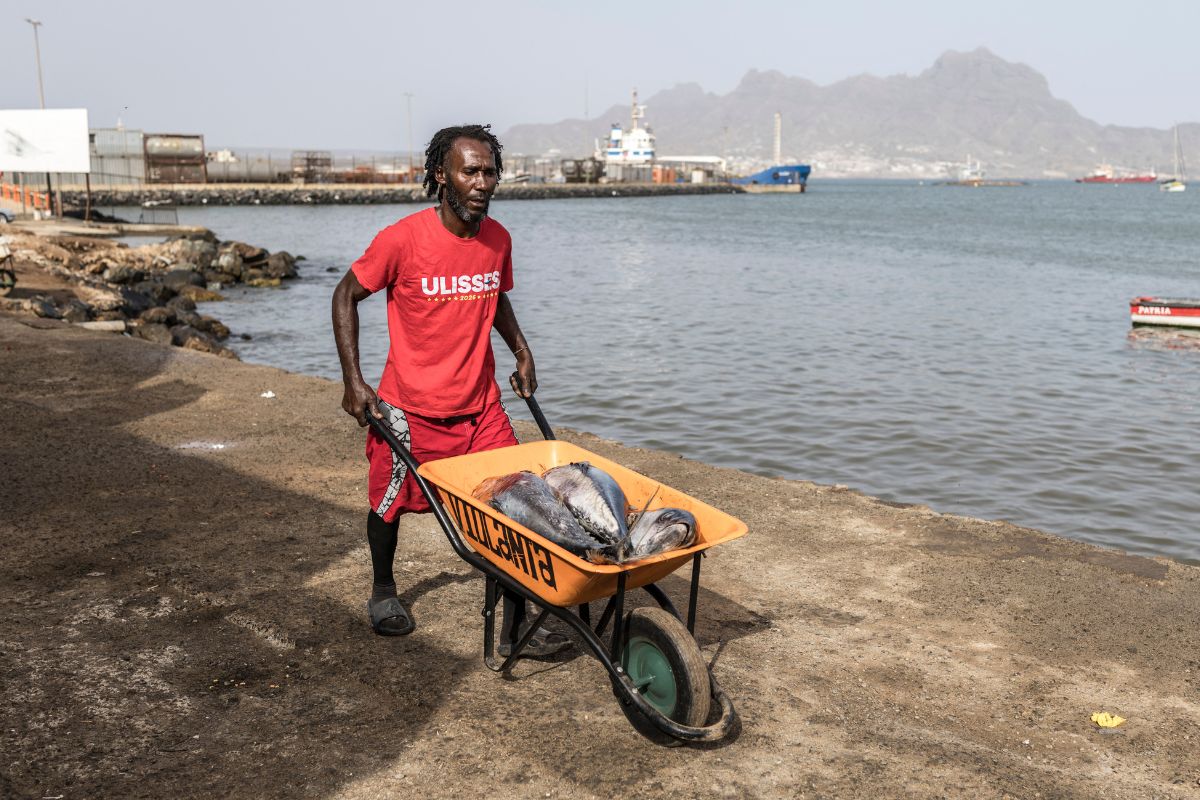
Cape Verde has limited freshwater, little fertile land and few mineral resources. Yet it has achieved relatively high levels of development by focusing on tourism, services, remittances and good governance. (Photo: AFP)
