
3 min readNew DelhiUpdated: Jul 11, 2026 04:01 PM IST
The benefits of protein, which has become a major buzzword in nutrition, go far beyond building muscle and boosting energy. It also plays a vital role in supporting immunity, maintaining metabolic health, and helping the body repair and recover. While many people assume that a high-protein diet is expensive or difficult to follow, a few simple tweaks to everyday home-cooked meals can make it easy to increase your protein intake.
Pravalika Londe, Clinical Nutritionist, Aster CMI Hospital, Bangalore, shares 5 simple ways to improve the protein content in your regular everyday meals:

DISCLAIMER: This article is based on information from the public domain and/or the experts we spoke to. Always consult your health practitioner before starting any routine.
Hack #1
Add dal, sprouts, or roasted chana to regular meals. You can mix sprouts into salads, poha, or sandwiches for extra nutrition. Adding an extra bowl of dal with lunch or dinner is also a simple way to increase protein.
Hack #2
Include paneer, curd, or milk in daily meals in the right portion size. Paneer can be added to parathas, sabzi, pulao, or sandwiches. Curd is rich in protein, calcium and supports gut health. Even a cup of yoghurt or milk can help improve daily protein intake.
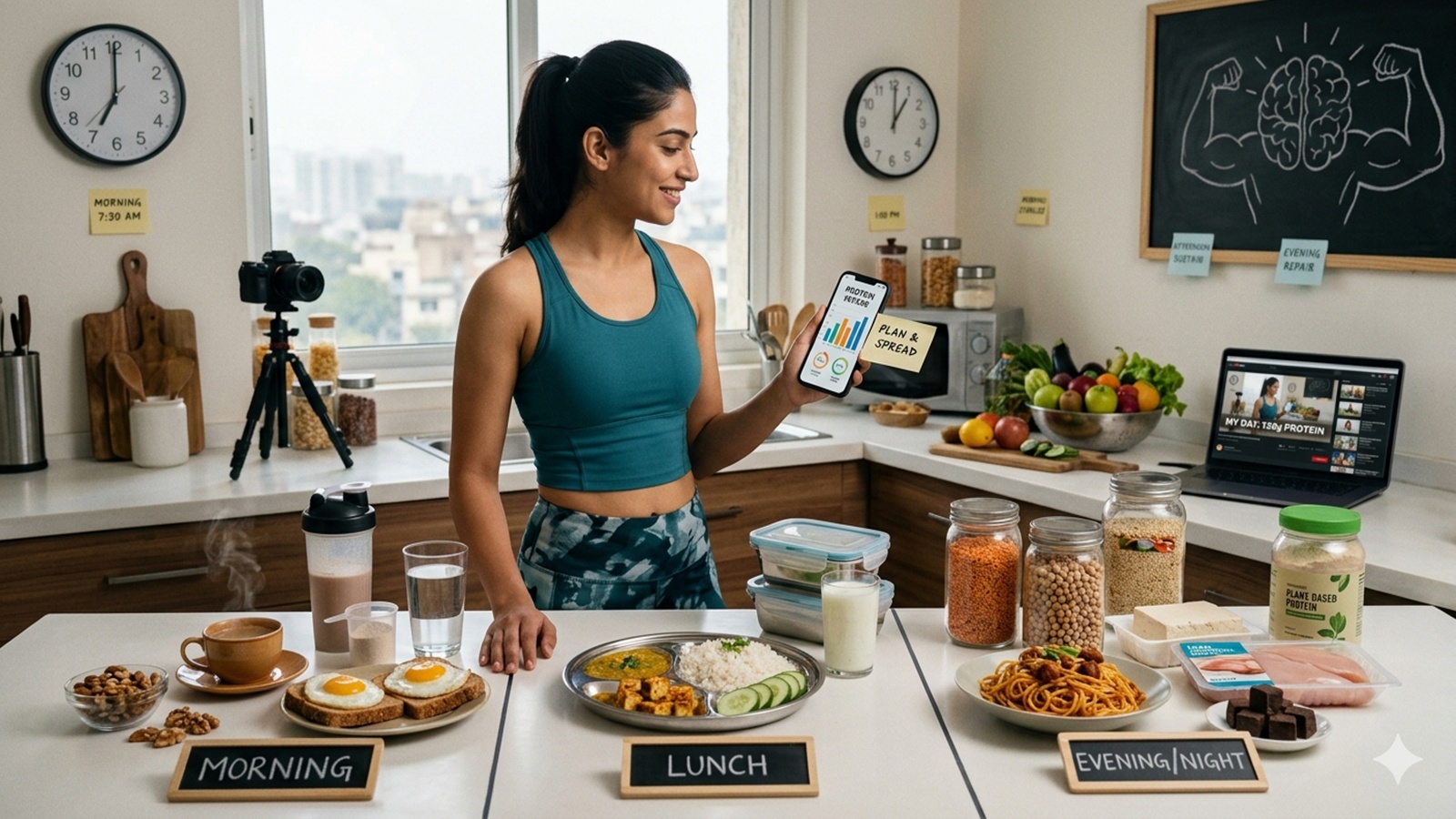 Simple daily changes can make home food healthier and more balanced. (Source: AI)
Hack #3
Another good option is to use protein-rich flours making it multigrain. Adding besan, ragi, soybean flour or sattu with wheat flour while making rotis or cheelas can increase nutrition profile modifying taste too much. This is an easy method for families who eat chapatis regularly.
Hack #4
Add nuts and seeds to snacks and breakfast. Peanuts, almonds, sesame seeds, flaxseeds, and pumpkin seeds can be sprinkled over curd, smoothies, oats, or salads or even seed powder to chapathis or rotis further enhancing a simple recipe. Peanut chutney or peanut powder with meals is also a healthy option.
Story continues below this ad
Hack #5
The fifth hack is to include eggs, chicken, fish, or soy products more often if the family consumes non-vegetarian food. Boiled eggs can be eaten as snacks, while soy chunks can be added to curries, pulao, or fried rice. These foods are affordable and rich in protein.
Londe says that simple daily changes can make home food healthier and more balanced, and a protein-rich diet helps improve strength, supports recovery, keeps a person full for longer, and supports overall wellbeing for both children and adults. However, she warned that proper consultation with a qualified dietitian is required in order to know about portion control as excess of anything is not recommended.
DISCLAIMER: This article is based on information from the public domain and/or the experts we spoke to. Always consult your health practitioner before starting any routine.
