
4 min readNew DelhiJul 12, 2026 09:00 PM IST
With all the hype surrounding protein in today’s health and wellness space, protein shakes, once considered a gym-bro staple, have found their way into the common man’s diet. Not just athletes and bodybuilders, these shakes have become a go-to choice for those trying to improve their diet, build muscle, lose weight or meet their daily nutritional needs.
However, in the quest to up one’s protein intake, many end up going overboard — which can eventually result in digestive problems and unrealistic expectations about weight loss and muscle gain in the long run.

DISCLAIMER: This article is based on information from the public domain and/or the experts we spoke to. Always consult your health practitioner before starting any routine.
Veena V, Chief Clinical Dietician & HOD – Department of Clinical Nutrition and Dietetics, Aster Whitefield Hospital, Bengaluru, says that protein shakes can be useful as part of a diet, but people often get swayed by marketing gimmicks like “high protein,” “lean muscle,” or even “zero guilt” without properly reading the nutrition label.
In reality, factors such as age, activity level, digestion, hydration, existing medical conditions and total daily nutrition all influence how the body responds to protein supplementation.
Veena shares some major red flags that people should be aware of when picking a protein shake to suit their needs:
#1 High added sugar
“Some protein shakes have something like 15–25 grams of added sugar per serving, and that can add up to weight gain, plus weird blood sugar fluctuations, so it kind of defeats the whole goal of a healthier supplement,” she points out.
Story continues below this ad
#2 Ingredient list that is excessively long
Veena says that when the product has artificial colours, flavours, preservatives, gums and fillers, it’s usually unnecessarily processed. A good-quality protein powder should have a relatively simple ingredient profile, not some crowded retail list that’s trying too hard.
#3 Hidden stimulants and unnecessary additives
According to her, many products contain added caffeine, fat-burning blends, herbal extracts, or performance boosters that aren’t really needed for the average person, and they can cause palpitations, messed-up sleep, or even interact with certain medications.
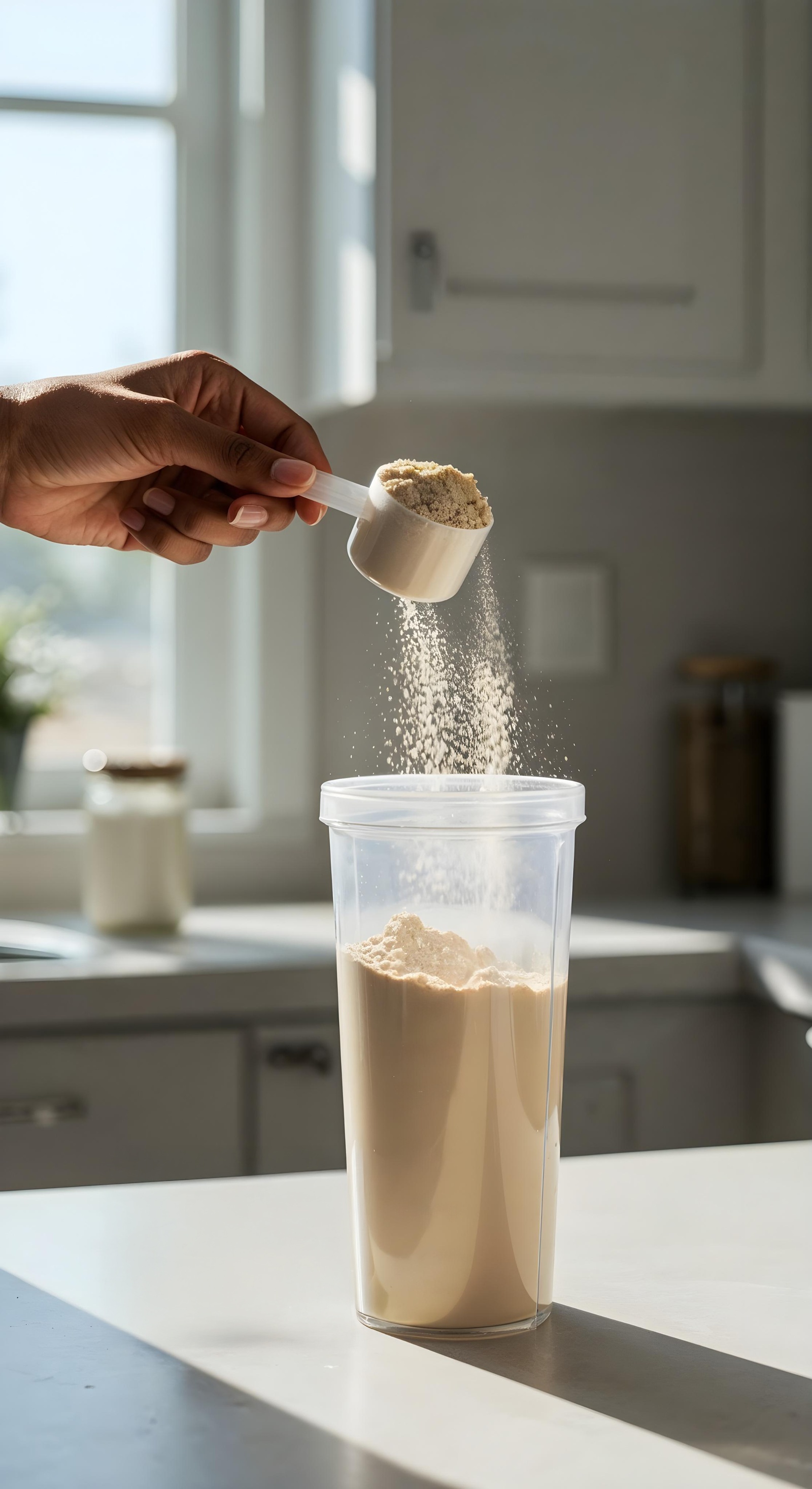 Taking more than one shake a day just because it sold as healthy can turn into extra calories. (Magnific)
#4 Using protein shakes as meal replacements with no reason
“Protein supplements are supposed to help the diet, not act like balanced meals. Whole foods bring fibre, vitamins, minerals, and healthy fats that powders cannot properly copy, in a real way,” mentions Veena.
#5 Drinking protein shakes without checking protein requirement
Lastly, Veena mentions that quite a few low-activity people already hit their daily protein needs from food. Therefore, taking more than one shake a day just because it sold as healthy can turn into extra calories, and it usually doesn’t add any extra health benefit.
Story continues below this ad
Before getting any protein supplement, Veena suggests checking the nutrition label to see if there’s third-party quality testing. “Pick options with little added sugar and ingredient lists that are clear,” she reiterates, adding that protein shakes should be chosen around what you personally need nutritionally, not because of marketing trends, or what random people recommend on social media.
DISCLAIMER: This article is based on information from the public domain and/or the experts we spoke to. Always consult your health practitioner before starting any routine.
