
The Commonwealth Games 2026 are over, and at first glance, India’s final medal standings from the Glasgow Games might suggest a sharp decline. India concluded its campaign with 39 medals (13 Gold, 17 Silver, 9 Bronze), falling below the 50-medal threshold for the first time since Kuala Lumpur in 1998. However, measuring Glasgow 2026 purely by the number of medals won does not show the true picture. The CWG 2026 campaign has been a tournament of adaptability, efficiency, and sporting growth for India.
When evaluated against the backdrop of a severely restricted event programme, India’s fourth-place finish stands out as one of its most impressive multi-sport achievements in recent history. To fully understand the context of the 39-medal tally, one must look at the structural changes in Glasgow. Hosted under tight financial constraints, the Games were streamlined into a minimalist 10-sport schedule, compared to 19 in Birmingham four years ago.
A Slashed 10-Sport Programme
This reorganisation led to the removal of several disciplines that have historically formed the backbone of India’s medal factory.
India’s stronghold sports like Shooting (135 historic CWG medals for India), Wrestling (114 historic CWG medals), Badminton (31 historic CWG medals), Table Tennis (28 historic CWG medals), and Field Hockey (6 historic CWG medals) had to be removed from the Glasgow Games because of financial constraints.
At the 2022 Games in Birmingham, these five omitted sports delivered 30 of India’s 61 medals, including 13 Golds. Losing more than half of its traditional gold-medal pipeline before the competition even began presented a formidable challenge for the Indian contingent. But, instead of sulking, the contingent decided to step up and make up for the potential medal loss.
Deprived of its primary scoring events, India focused on maximising output across the available disciplines.
The approach reaped the desired rewards as India secured fourth place overall on the final medal board, trailing only Australia, England, and Canada. India edged out host nation Scotland for the fourth spot on a silver-medal tiebreaker after both nations finished level on 39 total medals.
Across the 10 featured sports, India yielded an impressive 3.90 medals per featured sport, a density rate that is among the country’s best in the tournament’s history.
Boxers Punch Above Their Weight, Judokas Shatter Ceiling
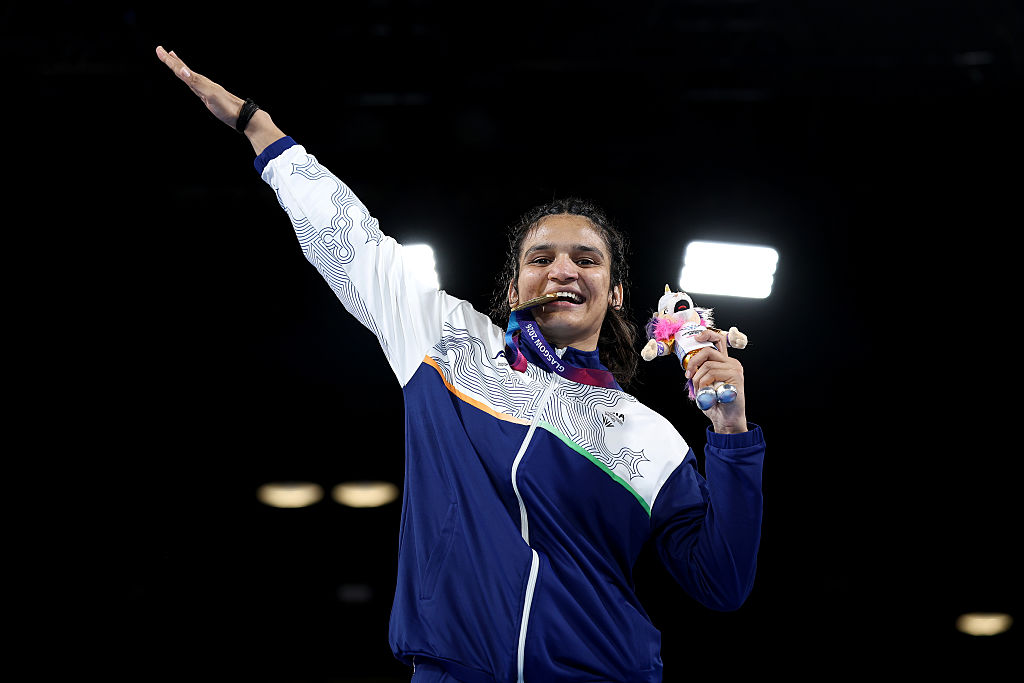
India’s boxing squad delivered an unprecedented show at the Glasgow Games, claiming 10 medals from a 14-boxer contingent, including a trend-setting 7 Gold medals and 3 Silvers. The women boxers swept five gold medals through Preeti Pawar, Jaismine Lamboria, Sakshi Chaudhary, Priya Ghanghas, and Arundhati Choudhary. Sachin Siwach and Ankush Panghal captured top podium spots in the men’s division. India’s medal haul in the 2026 Games saw the country register the most dominant single-nation boxing campaign in CWG history.
India’s success was not just limited to boxing. Judokas produced breakthrough moments on the mat. Harsh Singh (Men’s -60kg) and Asmita Dey (Women’s -48kg) secured India’s first-ever Commonwealth Games gold medals in Judo. Yamini Mourya (Silver) and Unnati Sharma (Bronze) added to the tally, anchoring India’s best judo campaign to date.
The country also made significant progress in track, field, and the para-sports resurgence. In fact, athletics and para-athletics combined for 16 total medals.
Neeraj Chopra returned to the CWG podium to claim a silver medal in the men’s javelin throw. Gulveer Singh became the first Indian track athlete to win two medals at a single CWG edition, securing silver in the 10,000m and bronze in the 5,000m. Tejaswin Shankar earned India’s first-ever decathlon medal at the Games with a bronze finish.
Para-athletes matched India’s combined historical CWG para-sports tally in a single edition, winning seven medals headlined by Gold performances from Sharmila Dhankar, Dilip Mahadu Gavit, and Soman Rana.
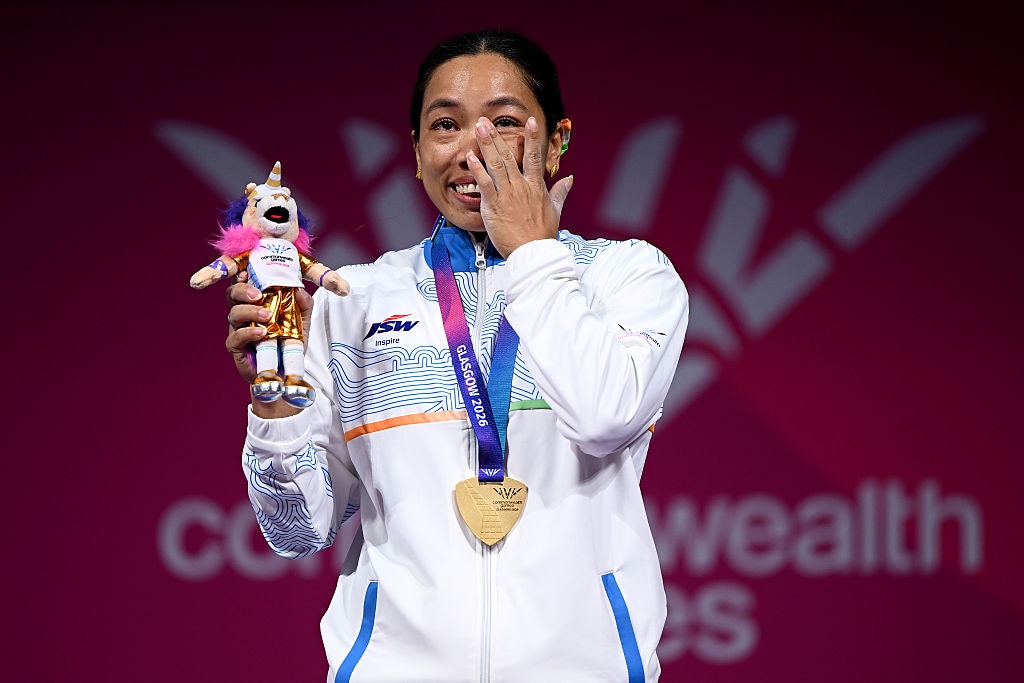
India’s Olympic medallist Mirabai Chanu, on the other hand, led an eight-medal weightlifting haul by claiming her third consecutive CWG Gold medal in the women’s 48kg category, alongside six silver medals and one bronze across the squad.
While 39 medals represent the lowest overall numerical tally for India since 1998, context reveals the true significance of this number. With the country’s strongest sports stripped from the Glasgow Games, India had to step out of its comfort zone and produce improved performances in secondary sports. The contingent did not just succeed in doing so but also gave its reputation a boost, laying the foundation for what could be the beginning of a multi-sporting renaissance.
