
Bryan Johnson recently left social media shocked with the revelation that he has autoimmune gastritis, or the condition where his stomach is eating itself. Now, following concerns and advice from social media, Johnson, in a post on X, retorted, “For those of you suggesting that I eat meat and get sun to cure my autoimmune gastritis, I was eating meat and in the sun for hours a day when this autoimmune condition started. I continued to eat meat and was in the sun as it progressed. And to be clear, I know you’re coming from a good place, and I appreciate your intent.”
According to Johnson, who has been on a longevity protocol, he’s had “low iron for 11 years”. “Yes, even when I ate meat, my ferritin was low and averaged 38 ng/mL. I’ve finally boosted it back to healthy levels. The human body is complicated, and the science is constantly evolving.”

DISCLAIMER: This article is based on information from the public domain and/or the experts we spoke to. Always consult your health practitioner before starting any routine.
Notably, while his haemoglobin and haematocrit were normal, ferritin, which reflects stored iron, and haemoglobin, which reflects circulating iron, were low. “And because the body drains its reserves first to keep hemoglobin normal, you can be fully iron deficient with a perfectly normal hemoglobin and hematocrit,” he said in a detailed post on X.
He argued that this is the reason why low ferritin kept getting “dismissed”. “The numbers that define anaemia looked fine, so no one asked why my iron reserves wouldn’t refill. During these 11 years, before doing health stuff and when on my longevity protocol, I sadly did not fully understand how important iron was to my body. Now, everywhere I look, I see iron playing a central role,” he admitted.
Still, during those 11 years, he tried everything to “fix it”, including eating meat and every type of oral iron supplementation, using every timing trick and every formulation. “None of the iron would stick, and we couldn’t figure out why. I overhauled my medical team earlier this year. With greater capacity, we revisited everything. Then we discovered my autoimmune gastritis (AIG). With AIG, my stomach doesn’t make enough acid to absorb iron. The only route left was to bypass the gut and deliver it intravenously,” he added.
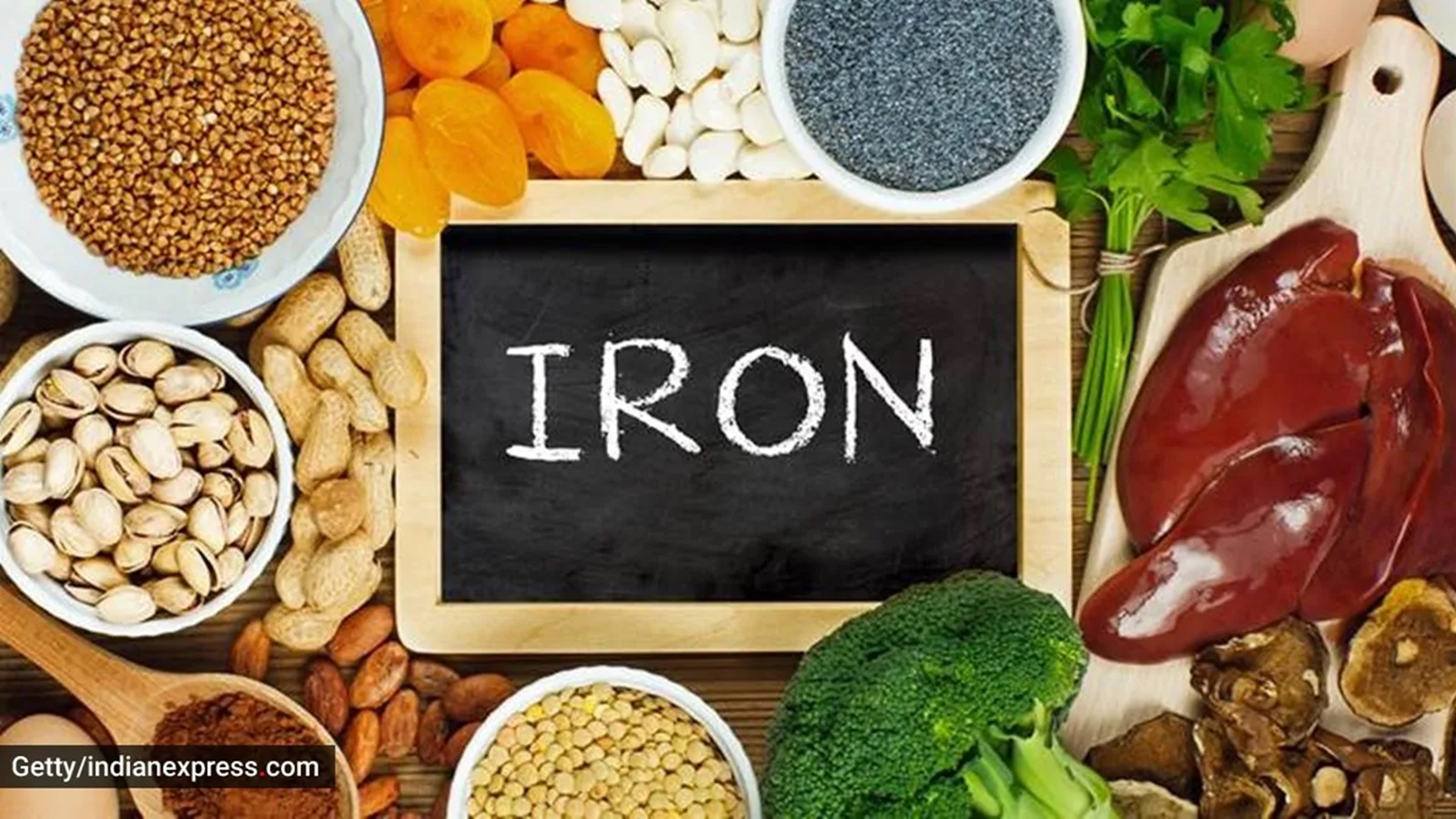 Here’s what you should know (Photo: Getty Images/Thinkstock)
He noted that most people treat anaemia as the threshold to watch. But long before hemoglobin drops, low iron starves the enzymes your cells depend on: the ones your mitochondria use to make energy, synthesise DNA, build dopamine and other neurotransmitters, and power immune defense. “That is why you can feel fatigue, brain fog, and worse endurance even with normal hemoglobin and an otherwise “normal” iron panel,” he said.
Story continues below this ad
He then received iron infusion therapies. “I ended up getting a 1000mg monoferric infusion.”
According to him, monoferric is more tolerable, allowing a higher dose of up to 1000 mg.
> a complete replenishment dose in one infusion
> other IV irons require multiple infusions (3-5)
> head-to-head randomized trials show it causes hypophosphatemia in only about 8% of patients compared to 74% with Injectafer
> its most common side effects are mild nausea and rash occurring in roughly 1% of patients
Story continues below this ad
> other options, including Iron dextran (INFeD), carry a black-box FDA warning for potentially life-threatening allergic reactions and require a mandatory test dose before each new treatment course
> it’s very expensive. Your doctor can write a letter to your insurance company to justify medical necessity.
Ferritin levels post infusion:
+ 205 ng/mL 2 weeks post infusion
+ 195 ng/mL 4 weeks post infusion
Our target is 80 ng/mL.
We will continue to monitor. Levels are expected to settle around 6-8 weeks post-infusion.
The lessons I’ve learned:
Story continues below this ad
+ don’t mess with low iron
+ don’t accept it as ok
+ it could be pointing to a more serious problem
+ try your preferred method to correct: meat, supplements, etc.
+ and if it doesn’t correct, investigate why, and consider an infusion
I had low iron for 11 years.
Yes, even when I ate meat, my ferritin was low and averaged 38 ng/mL.
I’ve finally boosted it back to healthy levels. You can see my protocol below.
On the surface, my low ferritin was easy to dismiss by most standards of care. Most doctors miss… pic.twitter.com/lgsvoiqbJk
— Bryan Johnson (@bryan_johnson) July 7, 2026
To understand more, we reached out to experts.
Dr Shankar Zanwar, senior consultant gastroenterologist, Gleneagles Hospital, Mumbai, explained that autoimmune gastritis is a chronic condition in which the body’s immune system mistakenly attacks the stomach’s parietal cells, which are responsible for producing stomach acid and intrinsic factor needed for vitamin B12 absorption.
“The exact cause is not fully understood, but it is believed to result from a combination of genetic predisposition and immune system dysfunction rather than diet alone. This is why an individual may continue to develop autoimmune gastritis despite eating a nutritious diet, consuming meat, or maintaining a healthy lifestyle including sun exposure,” described Dr Zanwar.
Concurring, Dr Pradeep Mahajan, regenerative medicine researcher, Stemrx Hospital and Research Center, reiterated that Bryan Johnson’s diagnosis reminds us that longevity is about reducing risk, not eliminating it from disease. “Autoimmune gastritis is when the immune system attacks the acid-producing cells of the stomach, leading to poor absorption of iron and vitamin B12. This is why one can eat a lot of meat and have low ferritin for years. It is often an absorption problem, not an intake problem,” reflected Dr Mahajan.
Story continues below this ad
One of the earliest signs of autoimmune gastritis can be persistent iron deficiency or low ferritin levels, even in people who regularly consume iron-rich foods such as meat. “This happens because reduced stomach acid impairs iron absorption long before vitamin B12 deficiency becomes apparent. Over time, untreated disease may lead to anaemia, fatigue, weakness, nerve-related symptoms due to vitamin B12 deficiency, and in some patients, an increased risk of gastric polyps or stomach cancer,” said Dr Zanwar.
According to the experts, people with unexplained iron deficiency, persistent low vitamin B12, recurrent indigestion, or a family or personal history of autoimmune disorders should undergo proper evaluation rather than self-medicating. “Early diagnosis through blood tests and endoscopy, followed by appropriate nutritional replacement and regular follow-up, helps prevent long-term complications,” said Dr Zanwar.
Notably, healthy nutrition, exercise, sunlight, and biomarker monitoring are good for healthy ageing “but can not always prevent autoimmune diseases, which are determined by genetics and immune regulation”. “The future of precision medicine may lie in a combination of longevity, regenerative medicine, and immune homeostasis to better maintain long-term health,” said Dr Mahajan.
DISCLAIMER: This article is based on information from the public domain and/or the experts we spoke to. Always consult your health practitioner before starting any routine.
