
These projections assume that oil prices will remain elevated above $90 per barrel before easing toward $75-85 per barrel in the second half this year. These also reflect existing or newly introduced fiscal measures to cushion the impact of the spiking energy costs.
Economic growth in the ASEAN+3 region is projected by the ASEAN+3 Macroeconomic Research Office to moderate to 4 per cent in both 2026 and 2027, while headline inflation is expected to rise from 0.9 per cent in 2025 to 1.4 per cent in 2026 and 1.5 per cent in 2027.
If the conflict escalates and oil prices stay above $100, regional growth could fall by 0.3 pp, while inflation could rise by 0.8 pp.
If the conflict escalates and oil prices stay above $100, the impact would be far worse. Scenario analysis suggests regional growth could fall by 0.3 percentage point (pp), while inflation could rise by 0.8 pp, relative to the baseline.
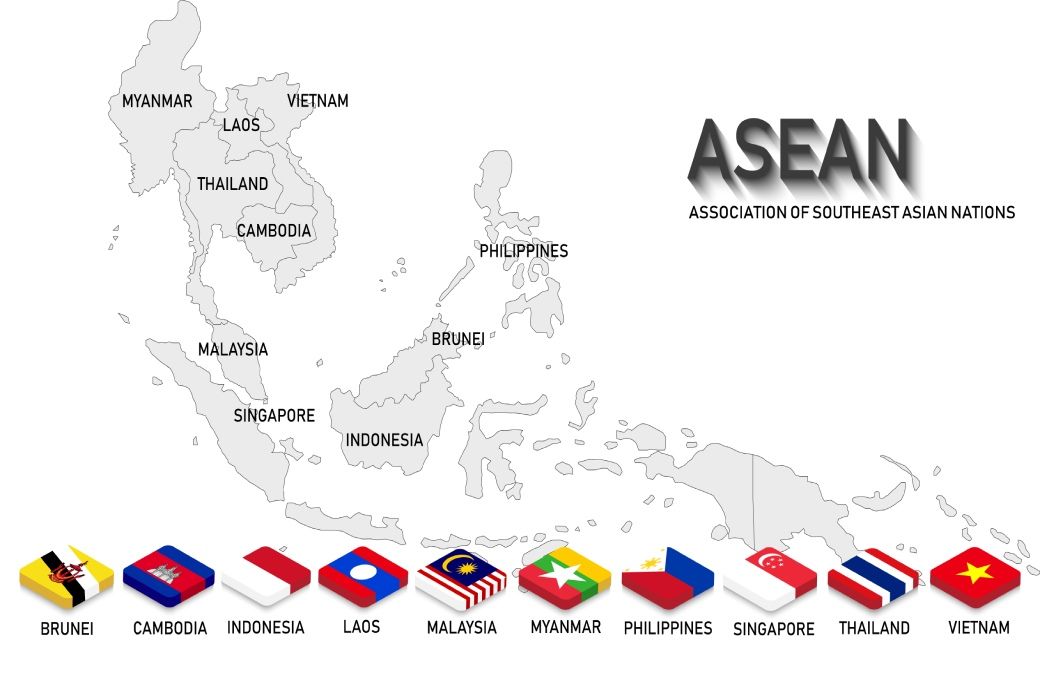
The ASEAN+3 consists of the ten members of the Association of Southeast Asian Nations and Australia, Japan and South Korea.
Though the region entered 2026 from a position of strength, the energy shock triggered by the Middle East conflict has sharply raised downside risks, making policy flexibility and deeper regional cooperation critical to navigating the uncertainty ahead, according to the latest ‘ASEAN+3 Economic Outlook’.
A prolonged conflict would trigger cascading and non-linear effects. Energy shortages would disrupt industrial inputs and spill into petrochemicals, packaging and fertilisers. Costs would then pass into services and food prices, reinforcing inflationary pressure.
Established in 2011, AMRO aims at contributing to the macroeconomic and financial resilience and stability in the ASEAN+3 region.
The combination of a negative income shock alongside higher inflation is what makes energy shocks particularly difficult to manage, a blog post on the AMRO website said citing the document.
On the demand side, ASEAN+3 has emerged as the world’s largest market, accounting for 28 percent of global final demand. The share of value-added exports absorbed within the region has risen to nearly 30 percent, while reliance on the United States has declined to around 20 percent.
Most ASEAN+3 economies retain meaningful fiscal and monetary space, and the imperative now is to preserve that flexibility, given the elevated uncertainty and the unusually wide range of plausible outcomes, it noted.
The energy shock underscores that the green transition is critical to macroeconomic resilience. Diversifying energy and input sources, accelerating electrification, strengthening strategic reserves and keeping regional trade open are not separate priorities—these are elements of a single resilience strategy, the report added.
“As the Middle East situation develops, AMRO remains committed to supporting its members through timely risk identification, practical policy solutions, and stronger regional cooperation,’ AMRO director and chief executive officer Yasuto Watanabe said releasing the report.
Fibre2Fashion News Desk (DS)
