
Indian rowers have been caught in a controversy at the Asian Games in Japan after organisers compressed the rowing competition from four days to two, forcing teams to make last-minute changes to their combinations. The sudden change left several Indian athletes frustrated. Some even considered not going for training, with the team eventually agreeing to get into the boats after discussions with rowing officials and coach Anthony Patterson.
Here’s an the inside story of what led to the standoff and how it was resolved.
Why Was The Rowing Schedule Changed?
The rowing programme was originally scheduled to be held over four days. But concerns over inclement weather linked to Typhoon Dujuan prompted organisers to squeeze the competition into just two days.
The rowing course itself was not ready when the teams arrived. Installation work began only later, adding to the uncertainty around the event.
According to Rowing Federation president Balaji Maradapa, the organisers informed teams at a managers’ meeting that the schedule would be compressed and asked them to submit fresh entry lists.
That meant India, like other teams, had to reconsider its combinations at very short notice.
Why Did The Indian Athletes Object?
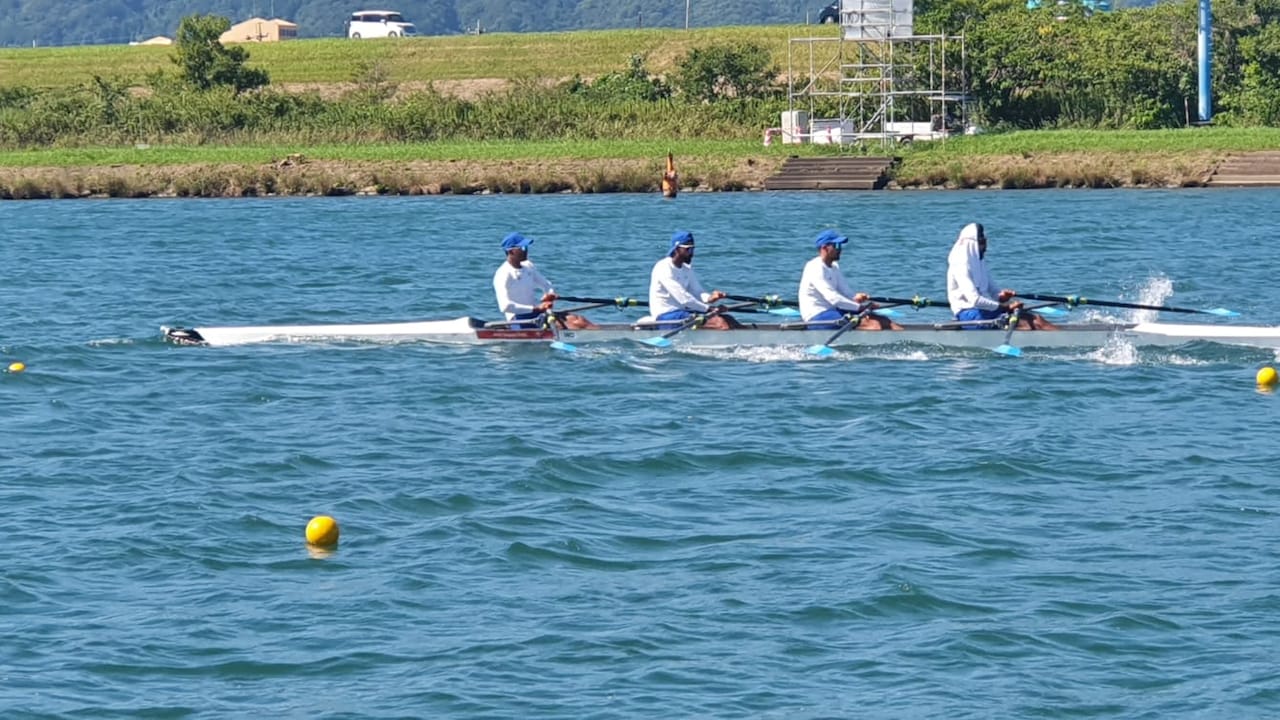
The Indian team is facing tough conditions ahead of the rowing competition.
Photo Credit: NDTV
The athletes had trained for four years to reach the Asian Games. The sudden changes meant that some of the combinations they had prepared with would have to be altered.
The central concern was the physical demand.
Rowing is an endurance sport, and compressing four days of competition into two puts additional pressure on athletes. The concern within the Indian camp was that the rowers might not be physically ready to compete at their best if the original combinations were retained.
Boria Majumdar, consulting editor, NDTV, said some athletes were so unhappy that they were even considering not going for training. The situation became particularly tense on Monday evening, when Indian rowers refused to go out for training.
Why Did The Federation Change The Combinations?
Mr Maradapa said the decision was taken after discussions with Australian coach Anthony Patterson. Mr Maradapa compared the situation to playing a Test match as an ODI.
According to Mr Maradapa, the Australian coach has around seven years of experience in Japan and understands both the local conditions and the strengths of the Indian team.
Mr Patterson suggested that if India wanted to compete for gold or silver, the combinations would need to be rejigged. Otherwise, the athletes could struggle to be physically ready.
Why Were The Athletes Unhappy With The Federation?
The issue was not simply about changing the combinations. The athletes were also unhappy with the way the decision was communicated.
Majumdar argues that the federation should have taken the senior athletes into confidence before making such a major change. The rowers had spent four years preparing for the Asian Games, and a last-minute alteration to their combinations was bound to cause frustration.
Indian players were of the opinion that the federation should have sat down with them, explained the circumstances and taken them through the reasons behind the changes.
With less than 24 hours before the rowing competitions begin, the dispute had put the Indian camp under considerable pressure.
How Was The Standoff Resolved?
The situation was eventually defused after rowing officials and the coaching staff spoke to the athletes. Mr Maradapa said he personally spoke to the rowers and explained the situation.
The athletes eventually agreed to train, bringing an end to the standoff.
But the controversy has highlighted the difficult situation created by the sudden change in schedule.
Why Are Expectations High From India In Rowing?
India’s rowing team has won 28 Asian Games medals so far – two gold, seven silver and 19 bronze.
India’s previous rowing gold medals came in the single sculls through Bajrang Lal Takhar in 2010 and in the quadruple sculls through Swarn Singh, Dattu Bhokanal, Om Prakash and Sukhmeet Singh in 2018.
With an Australian coach and a young team, India is hoping for another gold this time.
But before the medals are decided, the Indian rowing team is dealing with an unexpected challenge: Adapting to a competition schedule that was effectively cut in half at the last minute.
Featured Video Of The Day
Neeraj Chopra Wins Silver, Yashvir Singh Bronze As India Seal Double Podium In CWG Javelin
Topics mentioned in this article
