
Noting an uptick in cases of stomach flu viruses, mainly norovirus and rotavirus, in Mumbai, a city-based paediatrician, Dr Nihar Parekh, advised caution. “It’s a bit urgent. There’s been an outbreak of stomach flu viruses in our city over the last two weeks. And this virus is extremely contagious. These are mainly norovirus and rotavirus, which cause loose motions, dehydration, cramps in the stomach, vomiting, and fever,” he said in a video post on Instagram.
According to Dr Parkesh, there is a two-point approach that you need to take over the following week.

DISCLAIMER: This article is based on information from the public domain and/or the experts we spoke to. Always consult your health practitioner before starting any routine.
*You and your family, mainly children, should not eat out for the next week. This will prevent you from getting the virus and then spreading it at home. “Eating at home, clean, healthy way more hygienic than outside food, and no uncooked meals. No chutneys, no salads,” he said.
*You and your children should not swim because when you swim, you swallow water, which can take in the virus from the other people in the pool shedding the virus. “This two-pronged approach can help us curb this little outbreak of stomach flu virus that we are having,” he added.
To verify, we reached out to experts.
Dr Sanju Sidaraddi, consultant paediatrician and neonatologist, Motherhood Hospitals, Kharghar, Navi Mumbai, affirmed that indeed Mumbai is witnessing an increase in rotavirus and norovirus cases. “Everyone should stay alert and take preventive measures to protect young children from this highly contagious infection. Rotavirus is one of the most common causes of severe diarrhoea in infants and children below five years of age. It spreads through the faecal-oral route, usually via contaminated hands, food, water, toys, or surfaces. Children with rotavirus may develop frequent watery diarrhoea, vomiting, fever, stomach pain, and dehydration. Dehydration is the biggest concern and can become serious if not treated promptly. Warning signs include a dry mouth, fewer wet diapers, excessive sleepiness, sunken eyes, and crying without tears,” said Dr Sidaraddi.
Dr Rituja Ugalmugle, consultant, internal medicine, Wockhardt Hospitals, Mumbai Central, said viral gastroenteritis usually spikes during the monsoon because viruses like norovirus and rotavirus spread easily through contaminated food, water, surfaces, and close contact with infected people. “Heavy rains can worsen water quality and food safety, raising the chance of spreading the infection. Since these viruses are very contagious, even one infected person can pass the illness among families, schools, and workplaces if proper hygiene isn’t followed,” said Dr Ugalmugle.
Story continues below this ad
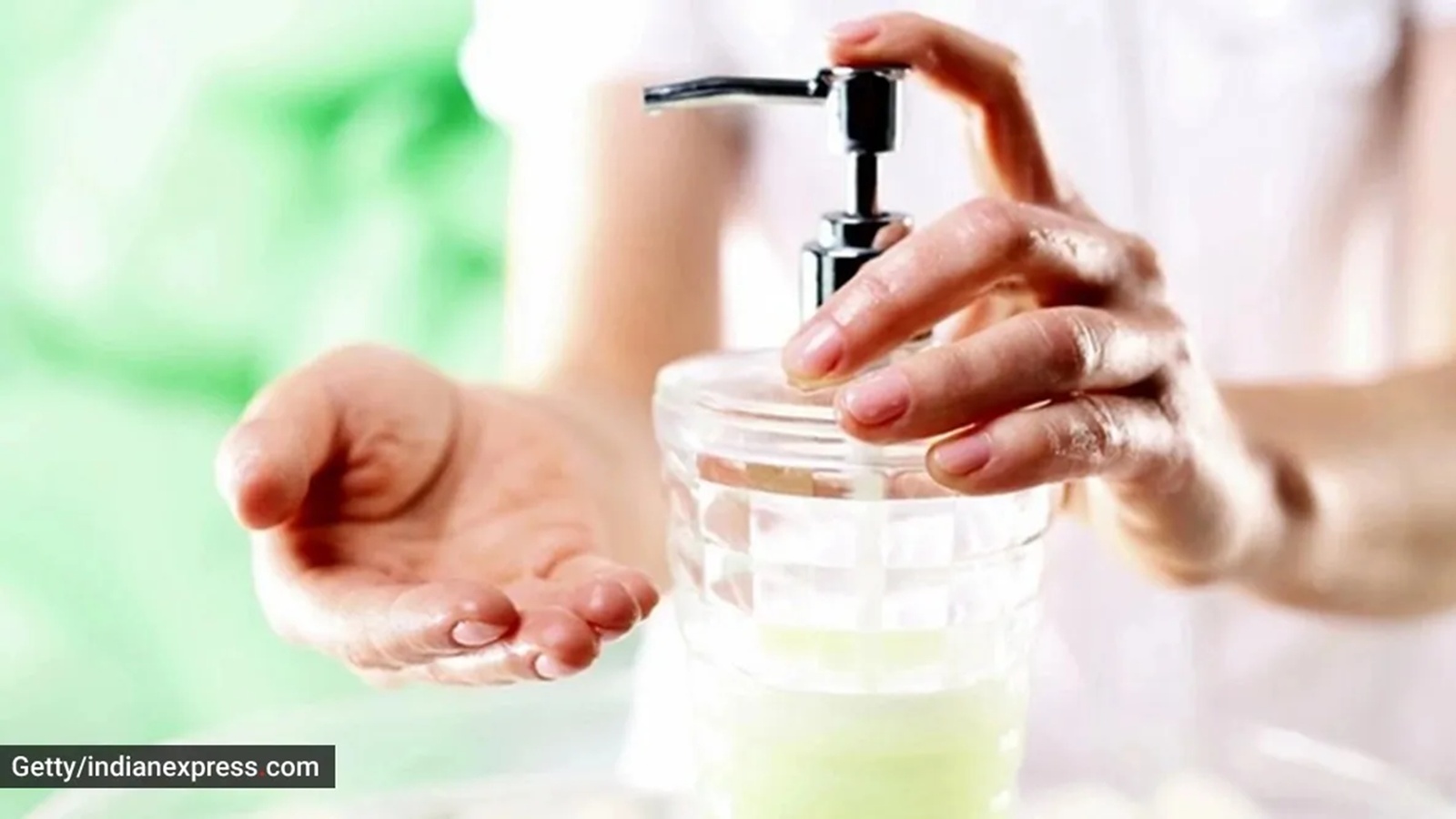 Handwashing is essential (Photo: Getty Images/Thinkstock)
What are the most common symptoms people should look out for?
The illness usually starts suddenly with diarrhea, vomiting, stomach cramps, and nausea. “Some people may also experience fever, weakness, or body aches. While most healthy adults recover in a few days, young children, older adults, and those with weakened immune systems are at a higher risk of dehydration, which can become serious if not treated quickly,” said Dr Ugalmugle.
Dr Ugalmugle concurred that eating freshly prepared home-cooked meals helps. “Avoid outside food, raw salads, chutneys, or cut fruits. These can become contaminated if hygiene isn’t maintained. Drinking safe water and washing hands thoroughly with soap before eating and after using the toilet are also essential,” said Dr Ugalmugle.
Dr Ugalmugle remarked how children often swallow small amounts of pool water while swimming. “If an infected person has used the pool, the virus can spread even with routine cleaning if sanitation is lacking,” described Dr Ugalmugle.
What to note?
Most cases improve with rest and plenty of fluids. “However, medical care should be sought if there is ongoing vomiting, severe diarrhea, blood in the stool, high fever, dizziness, low urine output, excessive sleepiness, or any signs of dehydration. Early treatment is especially crucial for young children, older adults, and people with existing medical issues, as dehydration can worsen quickly in these groups,” said Dr Ugalmugle.
Dr Sidaraddi said that vaccination during infancy is the most effective way to protect children from severe illness and hospitalisation. “Parents should also encourage frequent handwashing with soap, ensure safe drinking water, maintain proper food hygiene, and disinfect frequently touched surfaces and toys. Children with diarrhoea should stay well hydrated with oral rehydration solution (ORS), and parents should seek medical attention immediately if the child shows signs of dehydration, persistent vomiting, blood in stools, or is unable to drink fluids. Timely vaccination, good hygiene, and early medical care remain the best ways to keep children safe from rotavirus,” said Dr Sidaraddi.
Story continues below this ad
DISCLAIMER: This article is based on information from the public domain and/or the experts we spoke to. Always consult your health practitioner before starting any routine.
