
4 min readNew DelhiSep 5, 2026 08:00 PM IST
An eye drop bottle may carry an expiry date months away, but that doesn’t necessarily mean you can safely use it until then. Once you open the bottle, repeated handling and environmental exposure can introduce microorganisms, potentially turning a seemingly harmless bottle into a source of eye infection.
So does that mean you should throw away every bottle after one month? Not necessarily, says Dr Purendra Bhasin, Ophthalmologist, Founder & Director, Ratan Jyoti Netralaya.

DISCLAIMER: This article is based on information from the public domain and/or the experts we spoke to. Always consult your health practitioner before starting any routine
Does the one-month rule apply to all eye drops?
“Many multi-dose eye drops are recommended to be used within 28-30 days of opening, but this is not an absolute. The safe period depends on the product, preservative system and manufacturer’s instructions,” said Dr Bhasin.
This matters because different types of eye drops come in different packaging. Some preservative-free drops come in single-use vials that must be discarded after use. Others come in specially designed bottles that may remain usable for longer.
“Patients should therefore check the label or package insert rather than simply following the one-month rule,” he added.
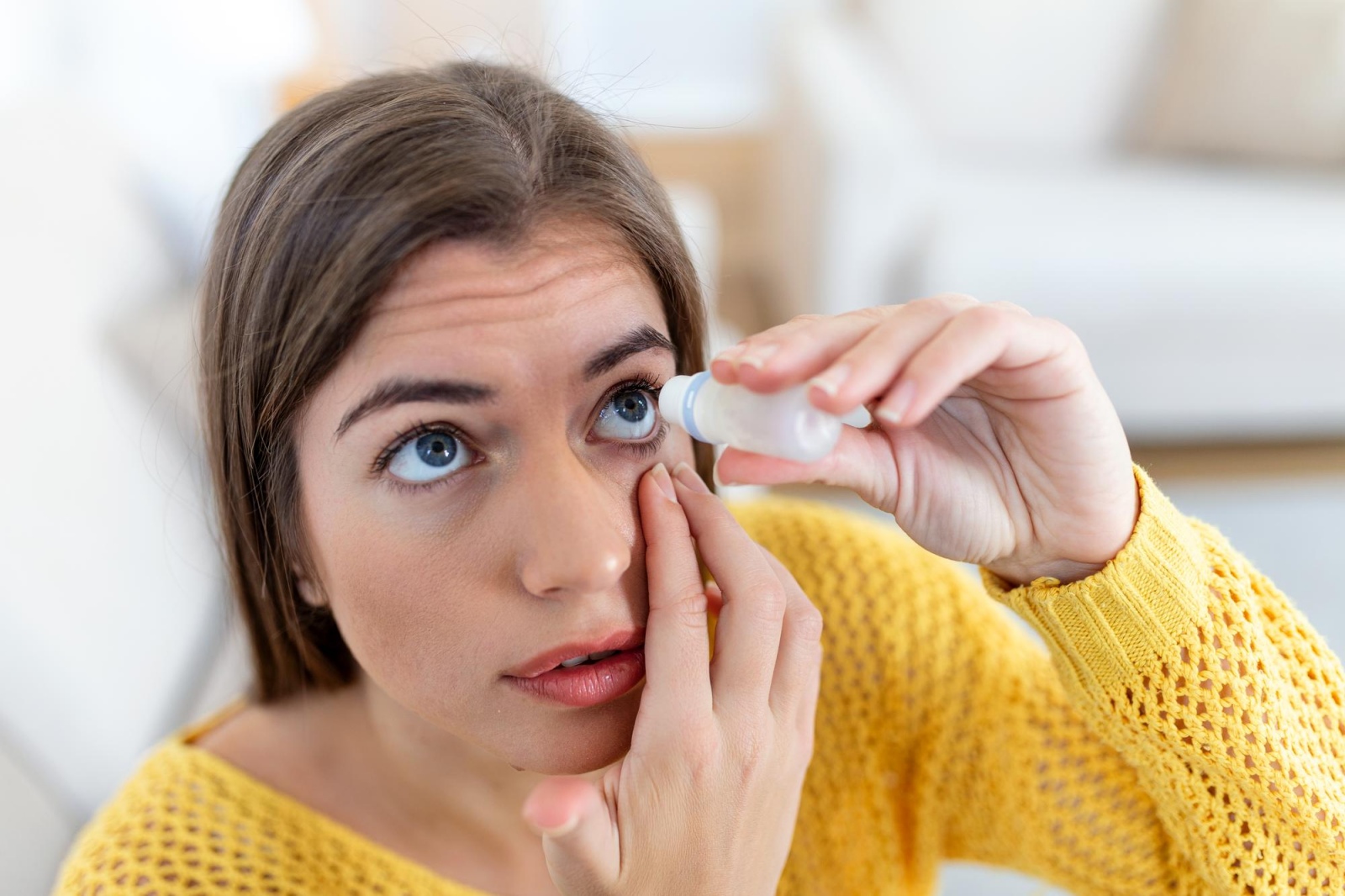 Doctors on the right way to use an eye drop (Photo: Magnific)
What happens if you use an eye drop for too long?
“Once a bottle is opened multiple times, there could be microorganisms entering the bottle, especially if the bottle tip touches your eye, eyelashes, fingers or another surface,” said Dr Bhasin.
Using contaminated drops can potentially result in infections and inflammation. “Contaminated drops can lead to conjunctivitis, corneal infection or inflammation,” he explained.
Story continues below this ad
While conjunctivitis may be relatively mild in many cases, infection involving the cornea can be more serious. “In severe cases, especially when the cornea is involved, vision may be threatened by infection,” Dr Bhasin warned.
Which symptoms should you not ignore?
Dr Bhasin advises paying attention to redness, pain, discharge, swelling, light sensitivity or blurred vision. These symptoms can have several causes, but they warrant medical attention rather than self-treatment with an old or potentially contaminated bottle.
What are the biggest mistakes people make with eye drops?
“Common mistakes include touching the dropper tip, using someone else’s eye drops, not putting the cap back on the bottle, storing the bottle in too much heat or sunlight, and using a bottle far past the recommended discard date,” said Dr Bhasin.
A few simple habits can significantly reduce the risk:
* Wash your hands before applying eye drops.
* Don’t let the dropper tip touch your eye, eyelashes or skin.
* Replace the cap immediately after use.
* Store the bottle according to the manufacturer’s instructions, away from excessive heat or sunlight where advised.
* Never share eye drops with another person.
* Write the date you opened the bottle on its label so you know when it needs to be discarded.
Story continues below this ad
“It is also helpful to write the date of opening on the bottle, which makes it easier to remember when it should be thrown away,” Dr Bhasin said.
DISCLAIMER: This article is based on information from the public domain and/or the experts we spoke to. Always consult your health practitioner before starting any routine.
