
Diabetes is often seen as a slow-progressing disease that damages the body over time. But for people with Type 1 diabetes, stopping insulin, even briefly, can become a life-threatening emergency.
A recent case shared by Dr Priyam Bordoloi, an internal medicine specialist from Assam, on X has brought this reality into sharp focus. The doctor described the case of a 26-year-old man with Type 1 diabetes who died after replacing his insulin injections with oral diabetes pills borrowed from a relative.
According to the post, the man, who was diagnosed with Type 1 diabetes as a teenager, grew tired of daily injections and replaced insulin with oral diabetes pills borrowed from a relative. By the time he reached the hospital, he was unresponsive, his blood sugar had crossed 600 mg/dL, he was breathing deeply and heavily, and his breath had a fruity smell—a classic sign of diabetic ketoacidosis (DKA).
To better understand the case, we reached out to Dr Rajiv Kovil, a Diabetes & Obesity Specialist at Zandra Healthcare.
DISCLAIMER: This article is based on information from the public domain and/or the experts we spoke to. Always consult your health practitioner before starting any routine.
Why was stopping insulin so dangerous?
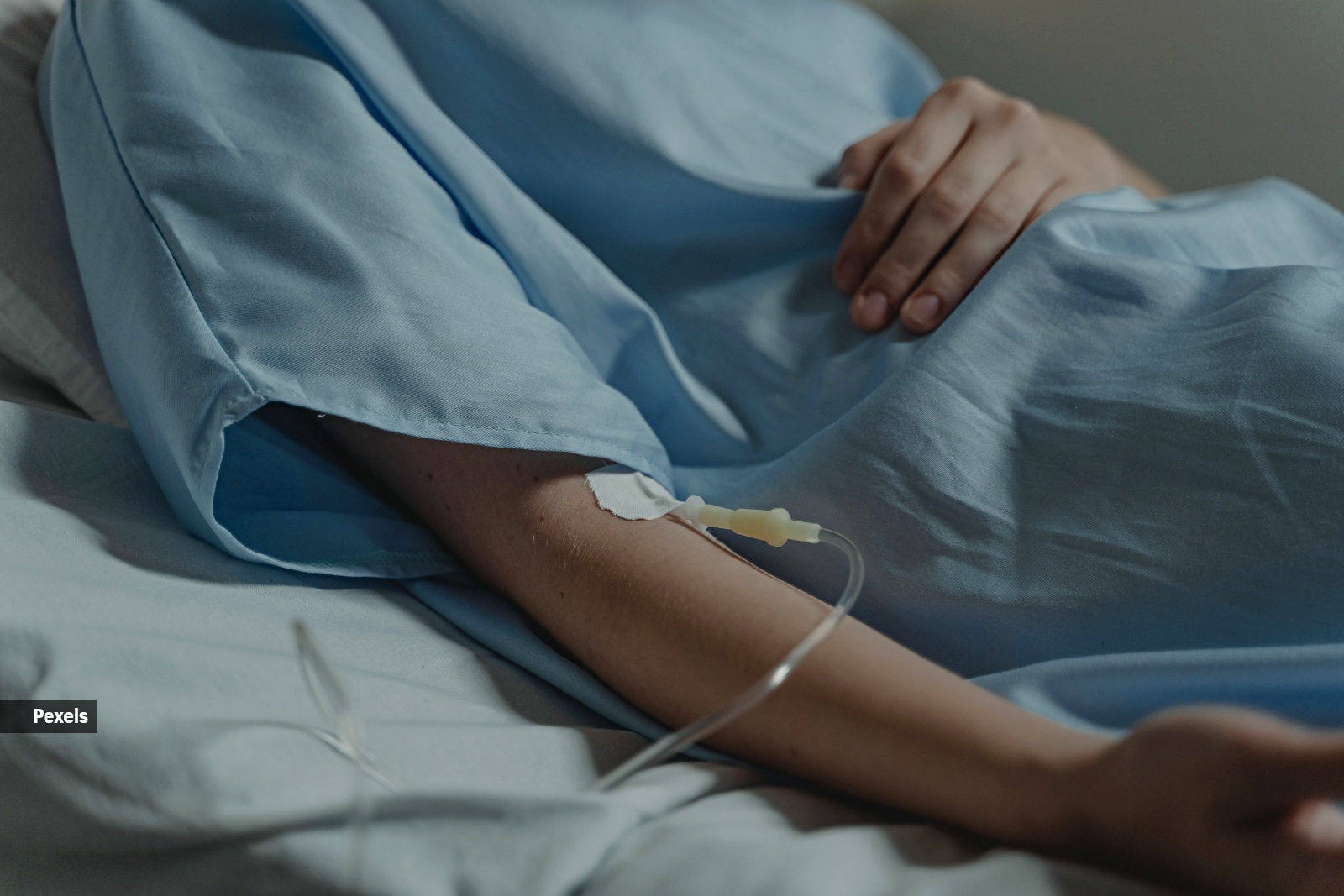 Delaying treatment dramatically increases the risk of coma and death (Image: Pexels)
“This patient most likely died from diabetic ketoacidosis (DKA), a medical emergency caused by complete insulin deficiency,” Dr Kovil tells indianexpress.com.
He explains that in Type 1 diabetes, the pancreas produces little or no insulin. Without it, glucose cannot enter the body’s cells, so the body starts breaking down fat for energy, producing acidic substances called ketones.
“Insulin is absolutely essential for survival in Type 1 diabetes.”
Story continues below this ad
If left untreated, the blood becomes dangerously acidic, leading to dehydration, shock, coma, multiple organ failure and death.
Why can’t Type 1 diabetes be treated with pills?
As Dr Kovil explains, oral diabetes medicines are designed mainly for Type 2 diabetes, where the body still produces some insulin. In Type 1 diabetes, the pancreas produces virtually none, so tablets cannot replace the missing hormone.
“There is simply no insulin for tablets to work with. Only injected or infused insulin can replace this missing hormone.”
Without insulin, glucose remains trapped in the bloodstream, ketones develop rapidly and life-threatening diabetic ketoacidosis can occur.
Story continues below this ad
How quickly can missing insulin become life-threatening?
Unlike the long-term complications of diabetes, diabetic ketoacidosis can develop surprisingly fast, and become life-threatening within “hours to one or two days.”
The exact timing varies depending on factors such as illness, dehydration and how much insulin is missed. Blood sugar rises rapidly, ketones accumulate and dehydration worsens if insulin is not replaced.
A 26-year-old DIED from diabetes.
We all think diabetes is a slow killer. A disease that takes decades to damage your eyes and kidneys.
But one attempt to outsmart his diagnosis killed him overnight.A medical breakdown on what actually happened 👇
— Dr. Priyam Bordoloi (@DocPriyamMD) July 8, 2026
Even a short interruption in insulin delivery—whether because of missed injections or pump failure—requires immediate attention and ketone testing.
“That is why Type 1 diabetes is considered an insulin-dependent condition.”
What do fruity-smelling breath and deep breathing indicate?
“The fruity or nail-polish-remover smell comes from acetone, one of the ketones produced when fat is broken down for energy,” Dr Kovil explains.
Story continues below this ad
He further adds that the deep, heavy breathing—known as “Kussmaul breathing”—is the body’s attempt to remove excess acid by breathing out carbon dioxide.
“Together with dehydration and altered consciousness, these symptoms indicate a medical emergency requiring immediate hospital treatment with intravenous fluids, insulin and electrolyte replacement.”
Warning signs of diabetic ketoacidosis you should never ignore
According to Dr Kovil, seek emergency medical care immediately if someone with Type 1 diabetes develops:
- Persistent high blood sugar (usually above 250 mg/dL)
- Excessive thirst
- Frequent urination
- Nausea or vomiting
- Severe abdominal pain
- Unusual tiredness
- Rapid weight loss
- Positive urine or blood ketones
- Fruity-smelling breath
- Deep, heavy breathing
- Confusion or reduced consciousness
“Patients should never wait if ketones are positive, vomiting persists, breathing becomes abnormal, or they cannot keep fluids down. Immediate emergency care is essential because DKA can progress rapidly and is potentially fatal if treatment is delayed.”
Story continues below this ad
What if you’re tired of lifelong insulin injections?
 Today, insulin injections are almost painless, and once-weekly basal insulin is now available in India (Image: Pexels)
Living with Type 1 diabetes can be physically and emotionally exhausting, like in the case shared on X, but help is available for people struggling with treatment fatigue.
“Feeling overwhelmed is understandable, but stopping insulin is never the answer.”
Dr Kovil assures that diabetes management has become much easier. Insulin pens, continuous glucose monitors (CGMs), insulin pumps and hybrid closed-loop systems can make treatment simpler and reduce the burden of daily care.
“The goal is to simplify diabetes management, not stop insulin.”
Story continues below this ad
He adds that once-weekly basal insulin is now available in India, while mealtime insulin still requires short-acting insulin. Inhaled insulin may also be an option for some people, but not during illness or diabetic ketoacidosis.
Can someone with Type 1 diabetes ever stop taking insulin?
“The simple answer is no,” the diabetologist clarifies. Although some people experience a temporary “honeymoon phase” soon after diagnosis, when the pancreas still produces small amounts of insulin, insulin should never be stopped without specialist supervision.
“Never stop insulin—not even for a single day—without medical advice,” Dr Kovil strictly recommends and stresses that while high blood sugar can often wait for treatment, the complete absence of insulin cannot.
People with Type 1 diabetes should know the warning signs of diabetic ketoacidosis, check ketones during illness or unexplained high blood sugar, and seek emergency care without delay if symptoms develop.
Story continues below this ad
“For people with Type 1 diabetes, insulin is the difference between life and death,” Dr Kovil concludes.
DISCLAIMER: This article is based on information from the public domain and/or the experts we spoke to. Always consult your health practitioner before starting any routine.