
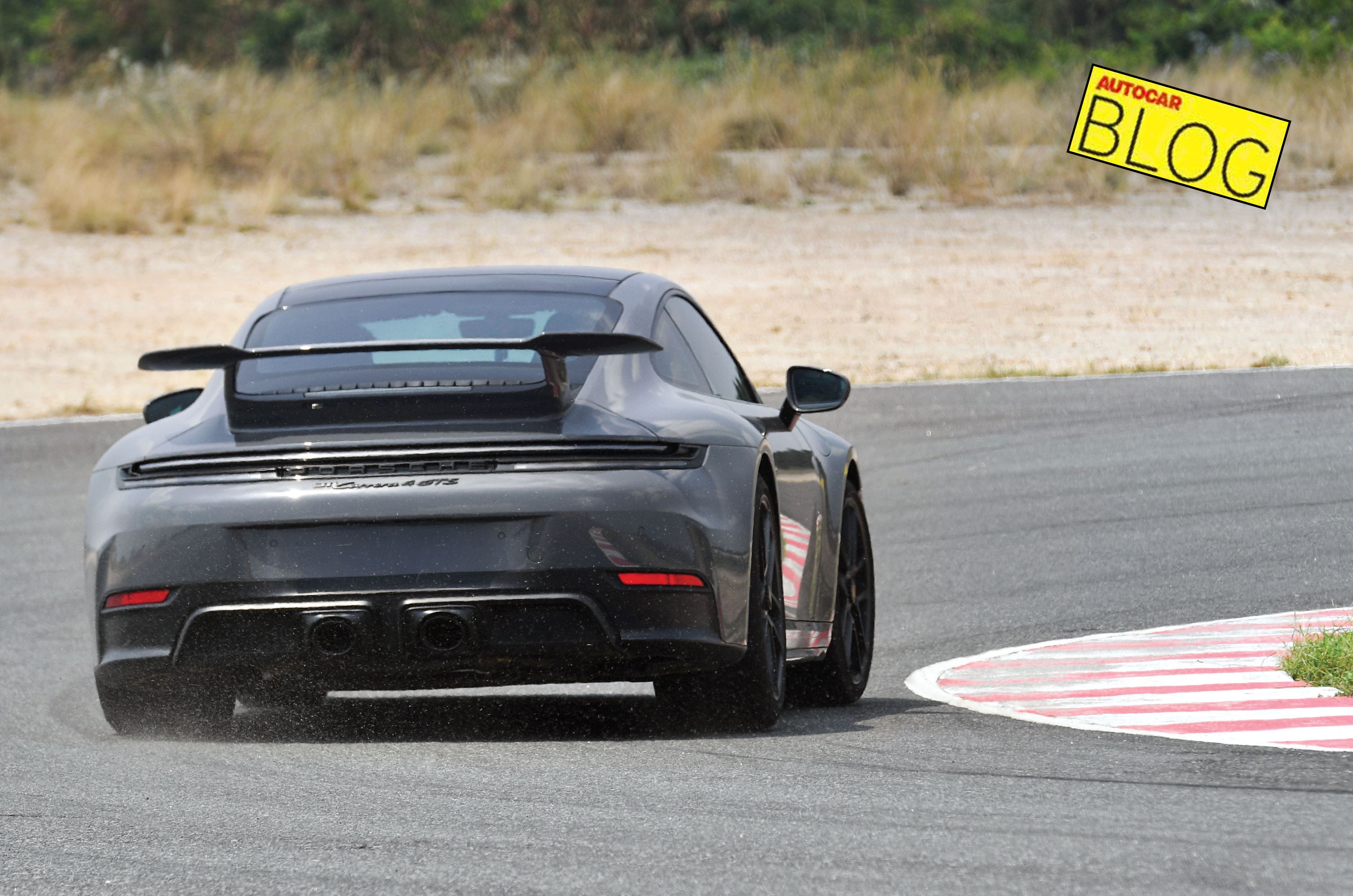
For years, we measured our thrills in cold, hard figures. Top speeds, acceleration times, quarter mile runs. It’s been like this since automobiles first crawled hesitantly onto planet Earth. But this is fast changing. The factors that earlier defined excitement are slowly but surely fading. Yes, of course, performance and acceleration are still essential components, but what’s changing fast is that today they are more plain hygiene than defining factors. And that’s huge.
But what has brought about this change? And what are the factors today that separate good from the great? Much of this awakening has come about because of extreme high-performance cars, Hypercars and Hyper EVs. Wham, bam, thank you… err, Sam; explosive acceleration now has a more literal meaning. And it is so violent, the act is over before you know it. That, of course, is no fun at all. Sure, there’s no denying the instant appeal of electric power, and this is equally true of electrically assisted hybrid drive systems. The surge of torque, strong reaction to a tap on the pedal; it’s intoxicating. But once the novelty fades, you realise the experience is oddly hollow.
Part of this is because the driver has practically no role to play in the execution of this otherwise thrilling act. You don’t have to work to extract the performance. There’s no battle with wheelspin, no finesse in balancing throttle and clutch, no satisfaction in nailing a perfect gearshift. And with EVs, no sound of the engine to correlate with your right foot. It’s all automatic. Like hitting a switch, CLICK; and the car does it all for you. This is partially true in corners as well. Traction is flawless, power delivery is metered to computer‑controlled perfection, and systems on the car even point the car into the corner for you! Most of this happens so fast and instantaneously that the driver, again, is reduced to being an observer. What this overdose of straight-line performance and computer-controlled wizardry in corners has helped reveal is something profound; the fact that real driving pleasure today isn’t just about the numbers. It’s about how the car responds to a driver’s inputs. How easy it is for the driver to understand what the car is about to do. How fast the grip is building up or ebbing away on which wheel, where the weight is being transferred, and at what rate. And finally, to what degree can the driver alter the trajectory of the car, even as the tyres howl in protest.
So, while fast is fun, performance cars have to evolve from delivering only raw performance numbers and g-forces to something more visceral. And while taking the man out of the man-machine interface may be fine when it comes to transport, drivers need real driver’s cars. Course-correction coming up. Sometimes you need to pause and look back to really move forward. So, is the best yet to come? Almost certainly.
