
What this means for you
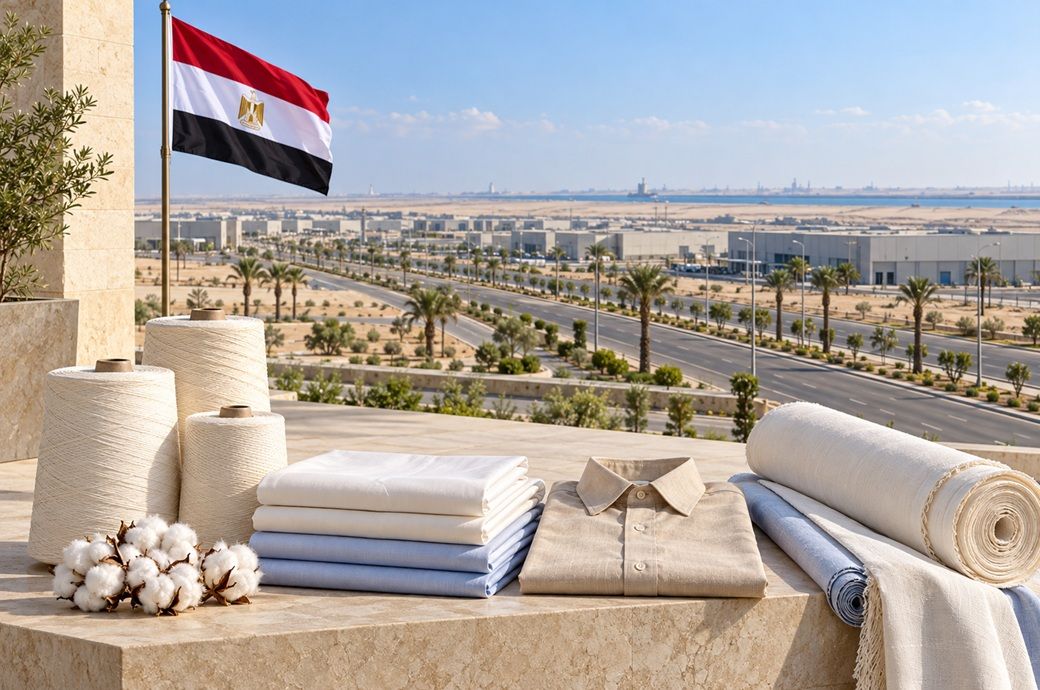
Egypt is expanding upstream capacity alongside its garment-export base, with Qantara West projects set to develop spinning, weaving, dyeing and garment production closer to European markets. However, the benefits will depend on commissioning timelines, production costs and compliance with rules of origin. Egyptian exporters could reduce import dependence through locally produced fabrics but should assess exposure to the additional **.* per cent US duty on covered goods. EU buyers should verify factory readiness, origin requirements and delivery schedules before shifting orders, while US buyers should check product-specific tariff classifications and exemptions separately from Qualifying Industrial Zone (QIZ) eligibility. Turkish and Moroccan mills could face increased competition from Egypt’s expanding capacity, although Turkish investors with Egyptian operations may also benefit. Investors should monitor commissioning milestones, energy costs, currency movements and confirmed orders. The Central Bank of Egypt’s official exchange rates on October *, **** were EGP **.**** (~$*.**) to buy and EGP **.**** (~$*.**) to sell one US dollar.